Resilience Conferences: Where Solutions for Ukraine’s Recovery Are Born
Resilience takes many forms in Ukraine. It means living and thriving amid the security challenges of life near the front lines. Rebuilding communities that have been partially reduced to ruins. Taking responsibility when there are enough resources to help people and their hometowns. There is no single script for these experiences, but there is a common goal: to protect people and the country during a major war and lay the foundation for the country’s dignified recovery.
How can this be done? The International Renaissance Foundation, together with its partners, is also seeking an answer to this question. We’ll share how this need gave rise to the large-scale “Resilience Conferences” ecosystem and how it helps shape solutions for Ukraine’s recovery and resilience.
The first discussions about resilience
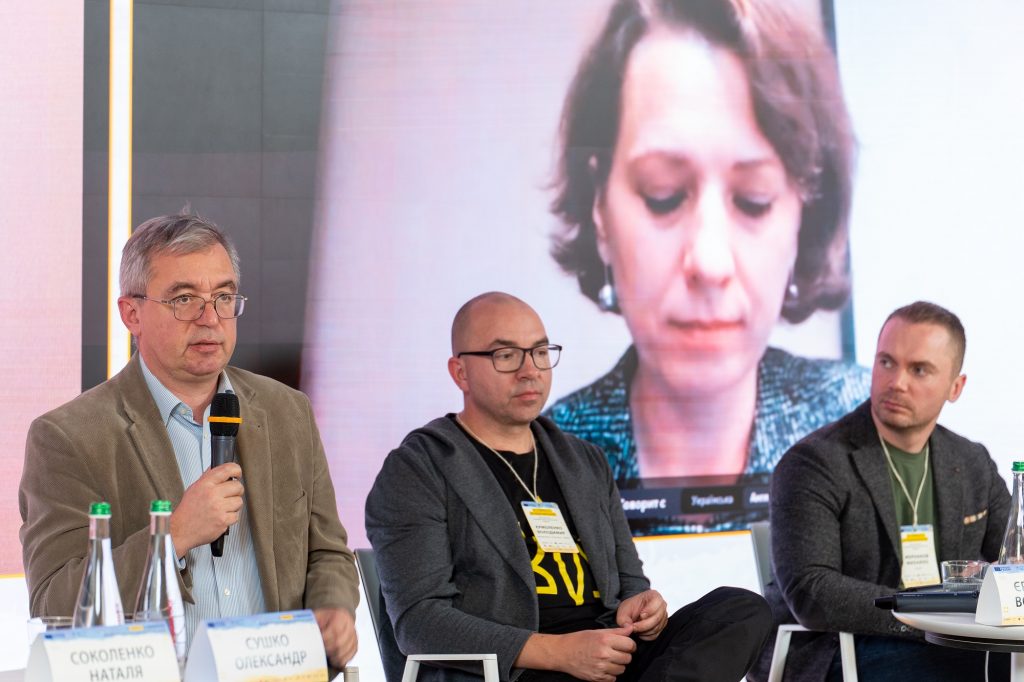
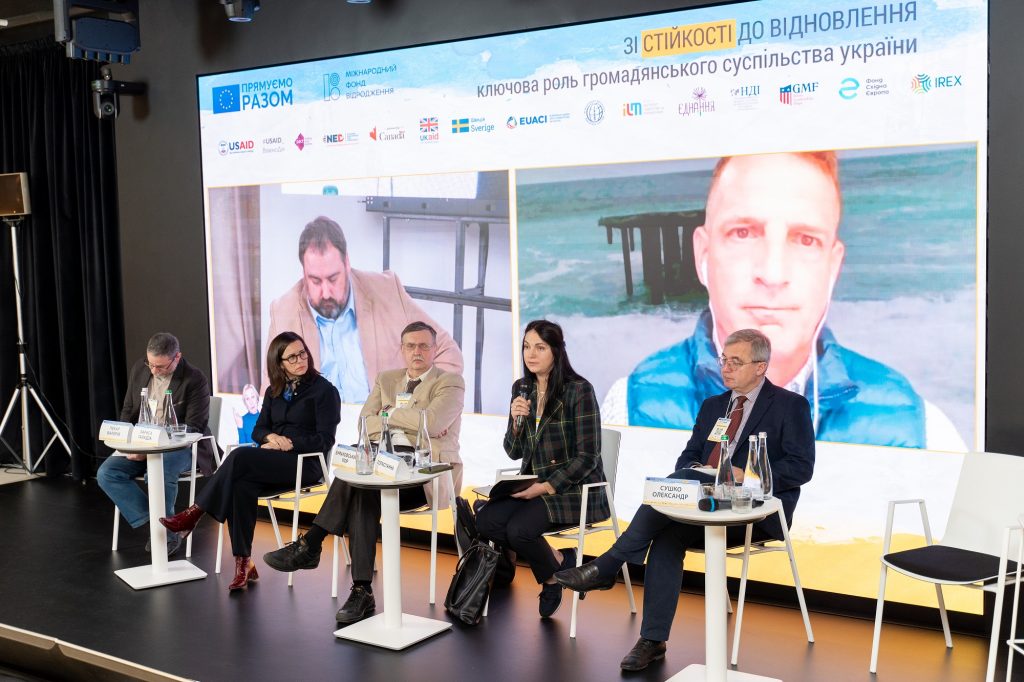
The search for answers regarding resilience began in September 2022, when the Foundation brought together over 200 representatives from civil society, government, and international organizations at the conference “From Resilience to Recovery: The Key Role of Ukraine’s Civil Society.” This conversation set the framework for further discussions and initiatives.
Participants agreed that Ukraine’s recovery is not merely about rebuilding what has been destroyed. It is about the opportunity to establish new rules—ones that are inclusive, transparent, and involve communities in decision-making from the very beginning. Community engagement has become one of the key principles of this approach—meaning real participation in planning the recovery alongside those who best understand the needs of their communities.
During the conference, a key conclusion was reached: war opens a window of opportunity for institutional change, and if this opportunity is not seized, the potential for transformation may be lost. Ukraine’s early recovery is a chance to build the country that we were unable to complete after the Revolution of Dignity.
It was from this logic that subsequent Resilience Conferences, expert discussions, and visions emerged, as well as joint systematic work for Ukraine’s future, which continues to this day.
How Discussions Turn into Action
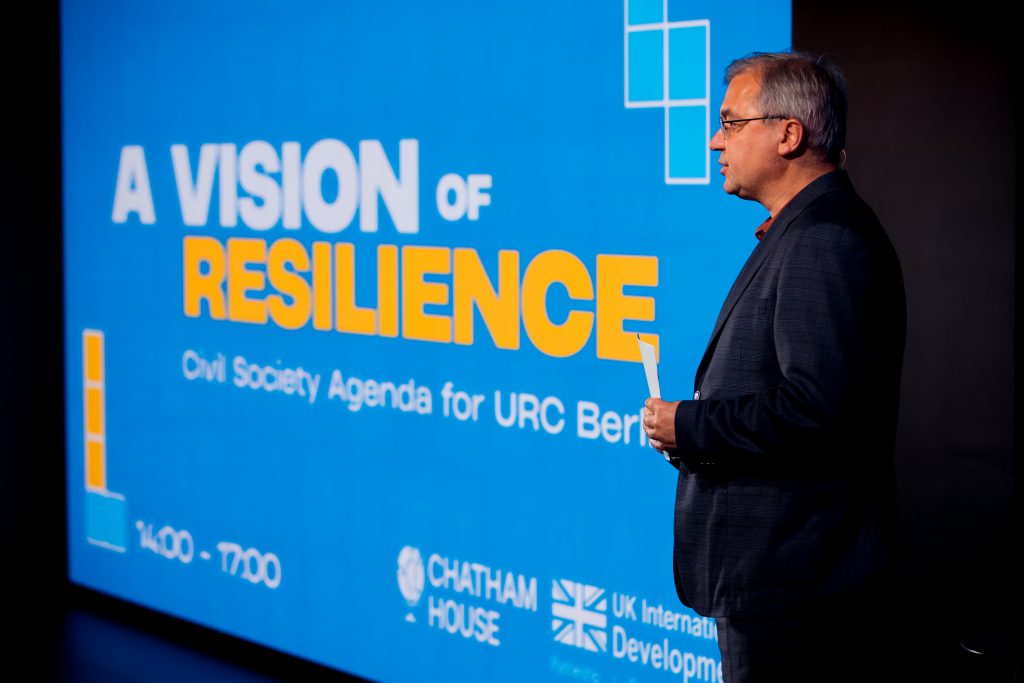
The exchange of ideas did not end with the event. The ideas were explored, expanded upon, and gradually took shape as the “Vision of Resilience” – a 2023 document that set out a civic agenda for Ukraine’s recovery. It was prepared based on expert discussions involving civil society organizations and the International Renaissance Foundation. The vision’s recommendations were used during preparations for the Ukraine Recovery Conference in Berlin (URC2024).
The “Vision of Sustainability” outlines key areas—from economic sustainability and the environment to the human dimension of recovery, the inclusion of affected communities and veterans, and preparations for Ukraine’s accession to the EU. This framework enables civil society, the government, and international partners to move in the same direction. “It is important to establish communication channels that give citizens a sense of involvement in these processes and a sense of ownership over them,” noted Oleksandr Sushko, Executive Director of the International Renaissance Foundation, during the presentation of the document.
The original “Vision for Sustainability” was later expanded. In 2025, “Vision for Resilience 2.0: The Human Dimension” was released, shifting the focus from sustainability principles to the specific needs of people and communities. The document centers on the individual: their safety, access to services, participation in decision-making, and the opportunity to remain active in their community.
The document identifies key barriers to sustainable recovery and proposes concrete solutions—ranging from developing local entrepreneurship to supporting veterans and strengthening social cohesion. It was shared with the government, local authorities, and international partners, and was also used during preparations for URC2025 in Rome.
Від центру до громад
The ideas formulated during the discussions and outlined in the first and second “Visions of Sustainability” served as the foundation for practical programs to support civil society.
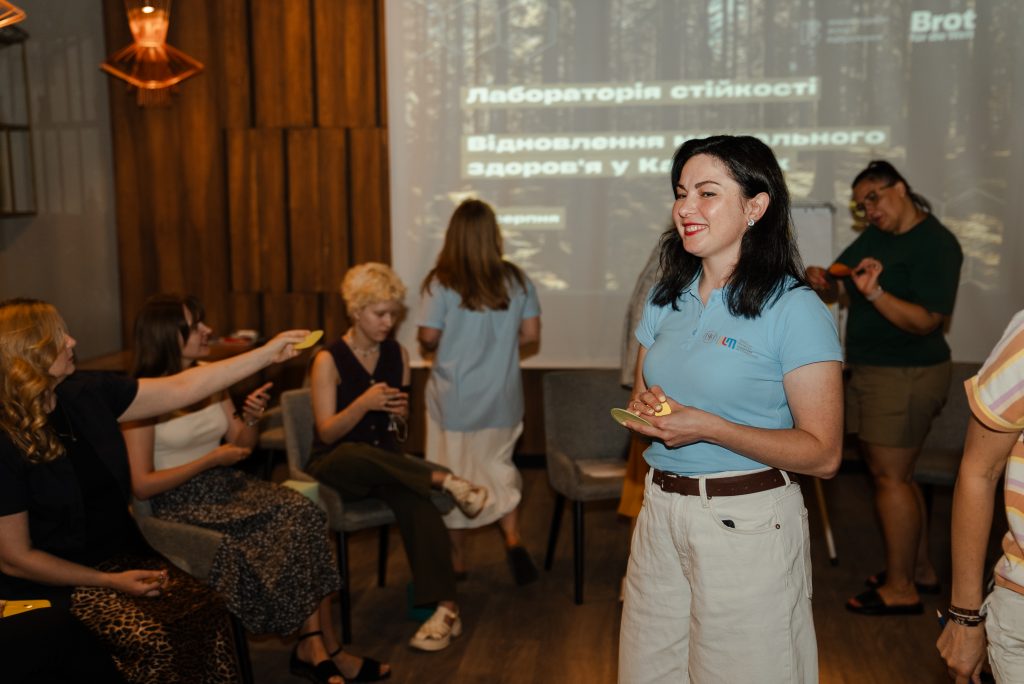
The first step was the “Resilience Lab”—a two-year program to support local civil society organizations, implemented by the International Renaissance Foundation with support from the Bread for the World agency. It combined financial support, training, mentoring, and networking so that organizations could systematically address the challenges of war in their communities. Fourteen organizations participated in the program, implementing projects that addressed specific needs—ranging from developing local initiatives to creating educational and social solutions. This allowed the approach to resilience to move from the level of ideas to practical implementation on the ground.

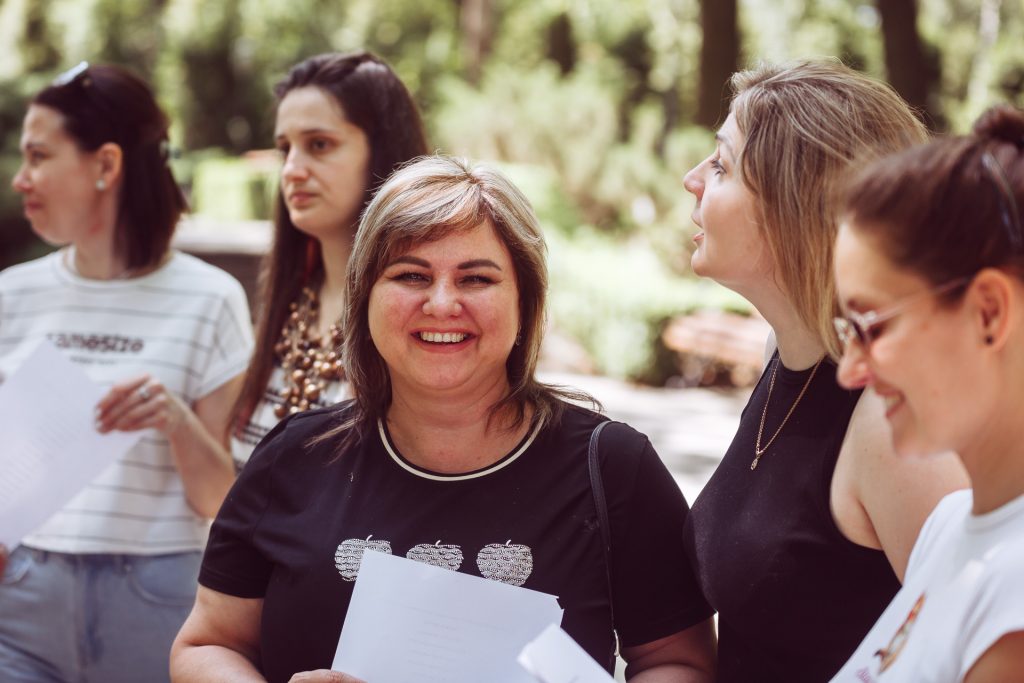
In 2024, the Impulse Project continued and expanded upon this approach. It broadened its geographic scope and the number of participating organizations, while maintaining a focus on those working in the regions most affected by the war and driving change at the community level. The project is implemented by the International Renaissance Foundation and the Eastern Europe Foundation with funding from Norway (Norad) and Sweden (Sida) and will run until 2027. Today, the Impulse Project brings together over 100 organizations from 15 regions of Ukraine, and this network continues to grow. The program combines funding, training, analytics, internships, and networking as a long-term investment in the development of civil society.
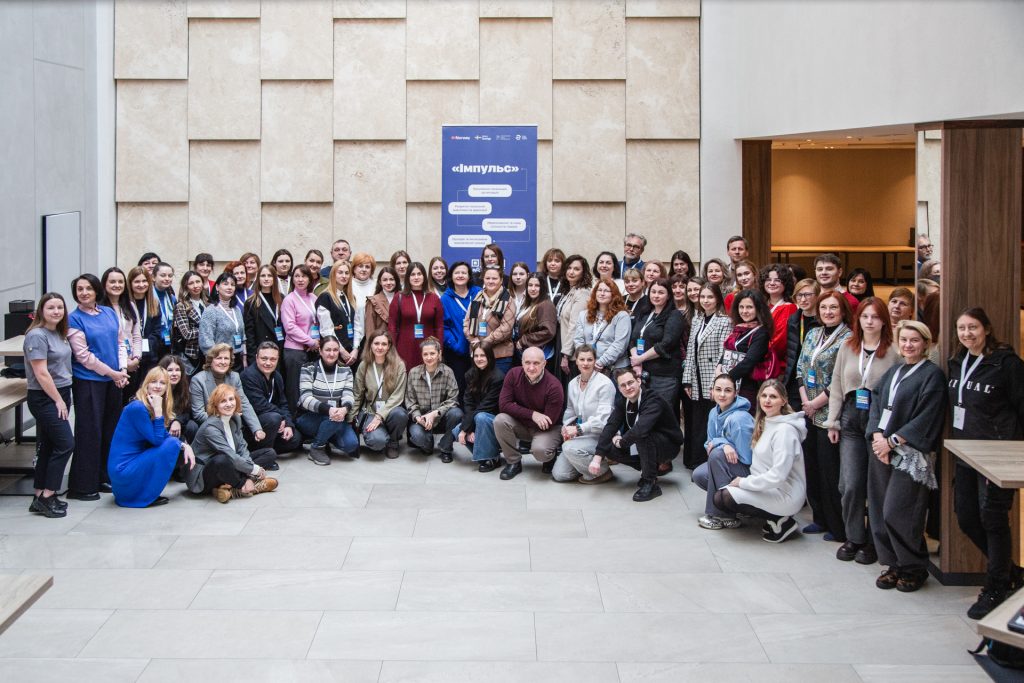
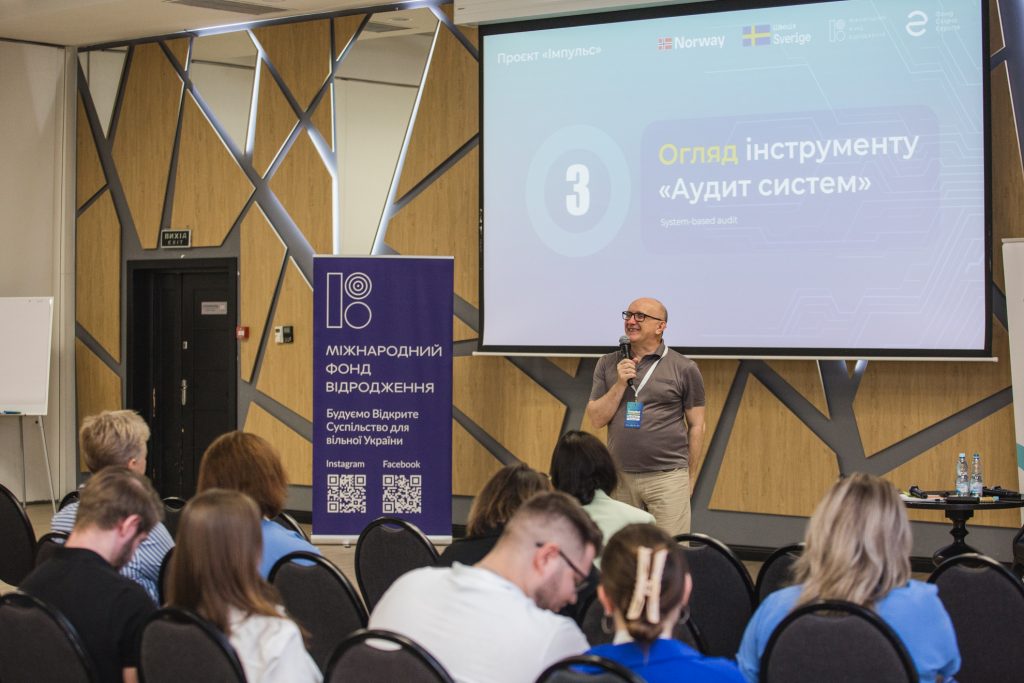
Thanks to these projects, the conversation about sustainability has shifted from the national level to systematic work within communities, driven by local people, organizations, and decisions.
Why We Launched the Resilience Conferences
Once the initial approaches to resilience and recovery had been formulated and programs launched, it became clear that teams needed to constantly share their experiences. The situation in the country is changing, and with it, the challenges, the needs of communities, and the opportunities for recovery.
The war has different consequences in different regions, and responses to them are shaped by daily realities—under shelling, in relocation conditions, and after de-occupation. To understand what works and how to lay the groundwork for future development under such conditions, this experience must be regularly discussed and coordinated.
It was precisely to address this need that the first “Resilience Conference” was held in Kyiv in September 2024. It brought together representatives of civil society, government, the expert community, and partner institutions. The conference took place as part of the “Resilience Lab” project, with the support of the European Union.
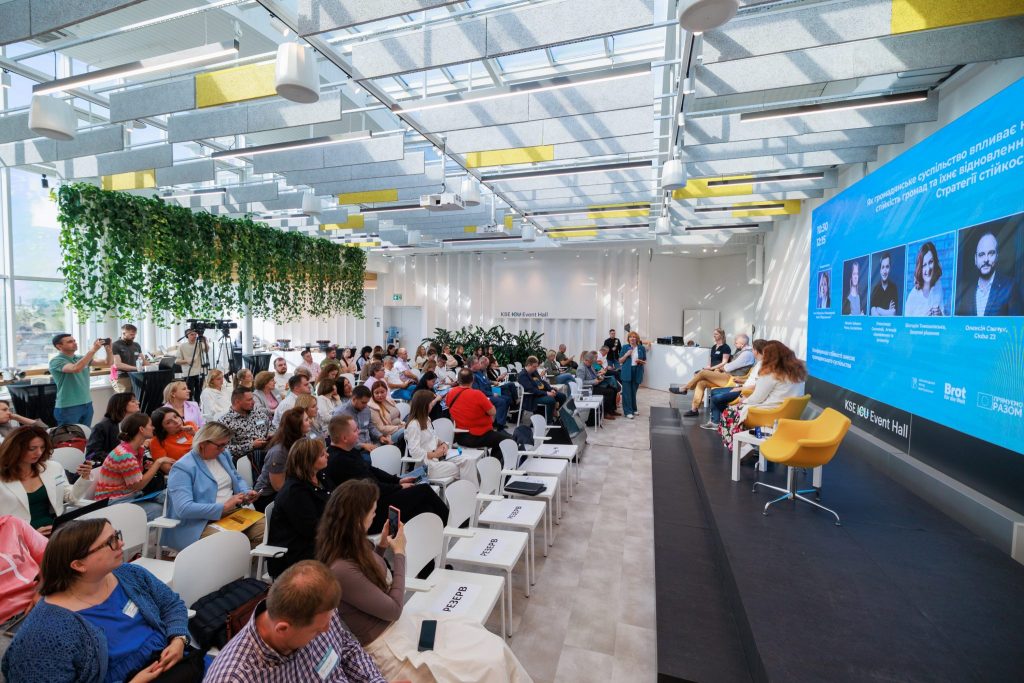
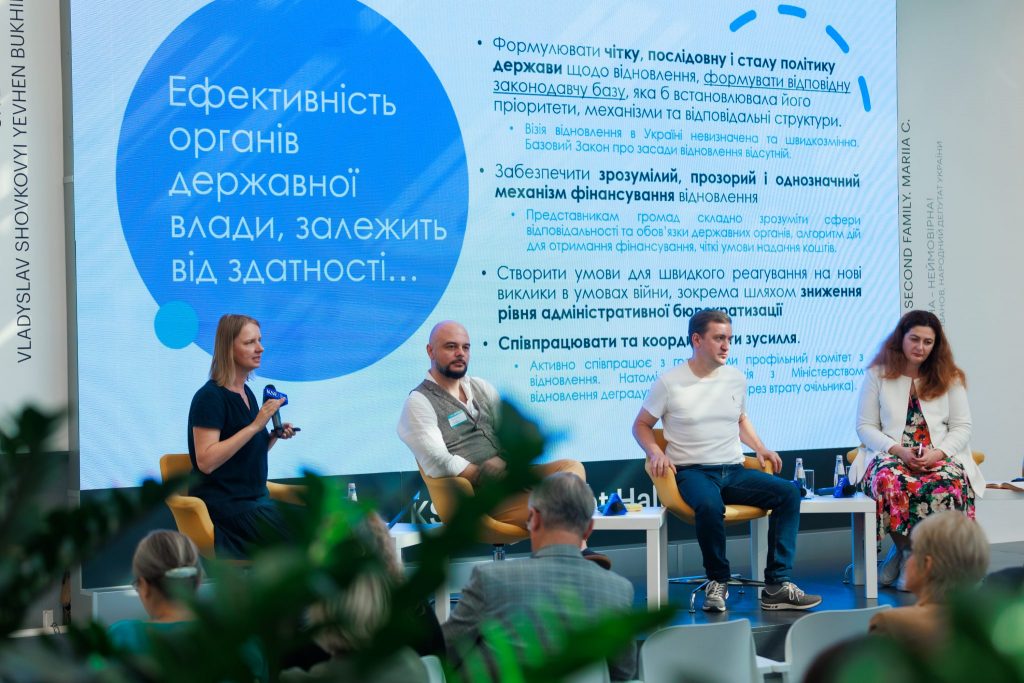
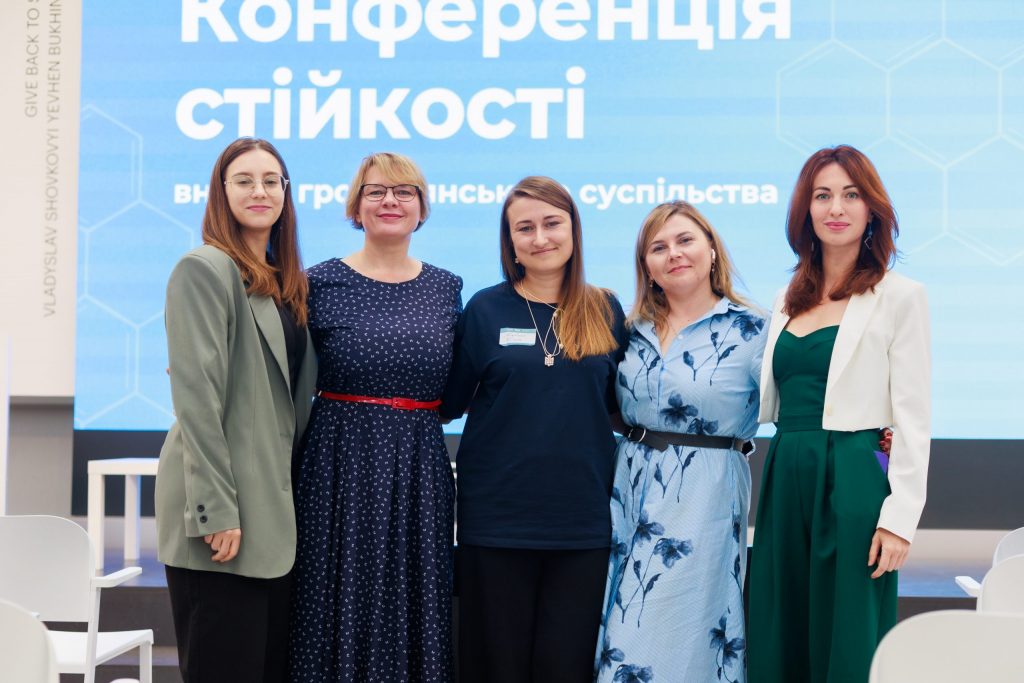
Its key conclusion: Ukrainian society has already moved beyond resilience as survival and is transitioning to resilience as development. The next task is to consolidate this transition through institutions, cooperation, and shared strategies. Recovery works where communities are involved in planning, there is feedback between organizations and people, and business becomes a partner in development.
At the same time, Ukrainian society has taken an important step—from a passive role to co-creating the state, emphasized Oleksandr Sushko.
In October 2025, the “Resilience Conference 2.0” took place in Kyiv as part of the Resilience Lab and the Impulse Project initiatives, marking the next stage in the conversation about Ukraine’s long-term sustainability amid the war. It brought together representatives of civil society, government, the expert community, and international partners.
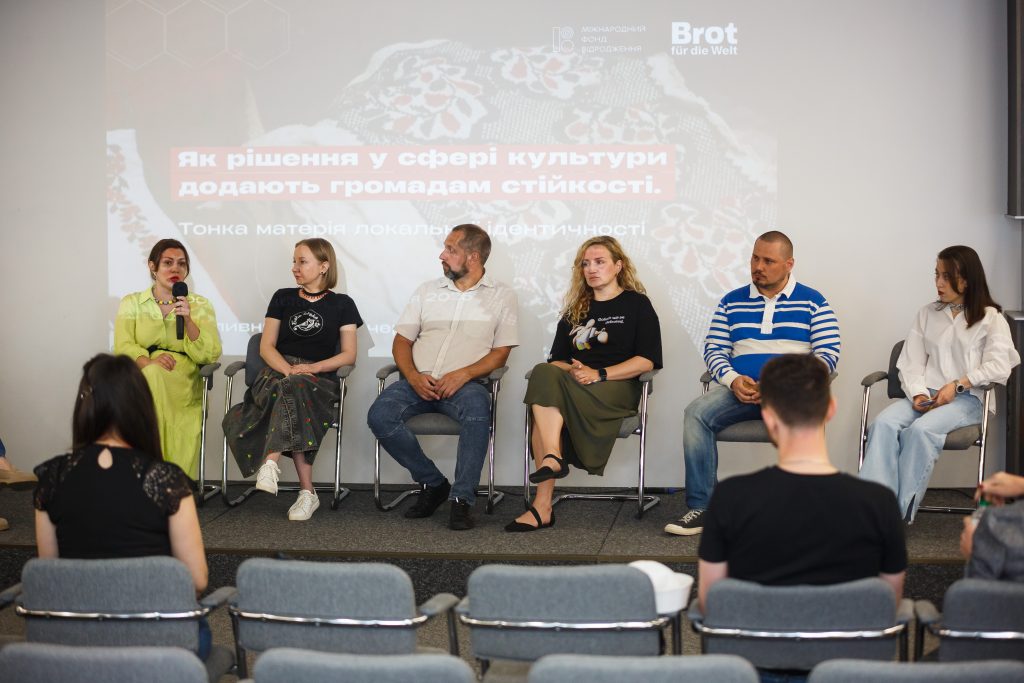
Participants presented specific case studies and approaches: how to involve communities in planning, how to build cooperation between organizations and people, and how to include businesses in recovery processes. They shared tools that are already working and can be scaled up in different regions.
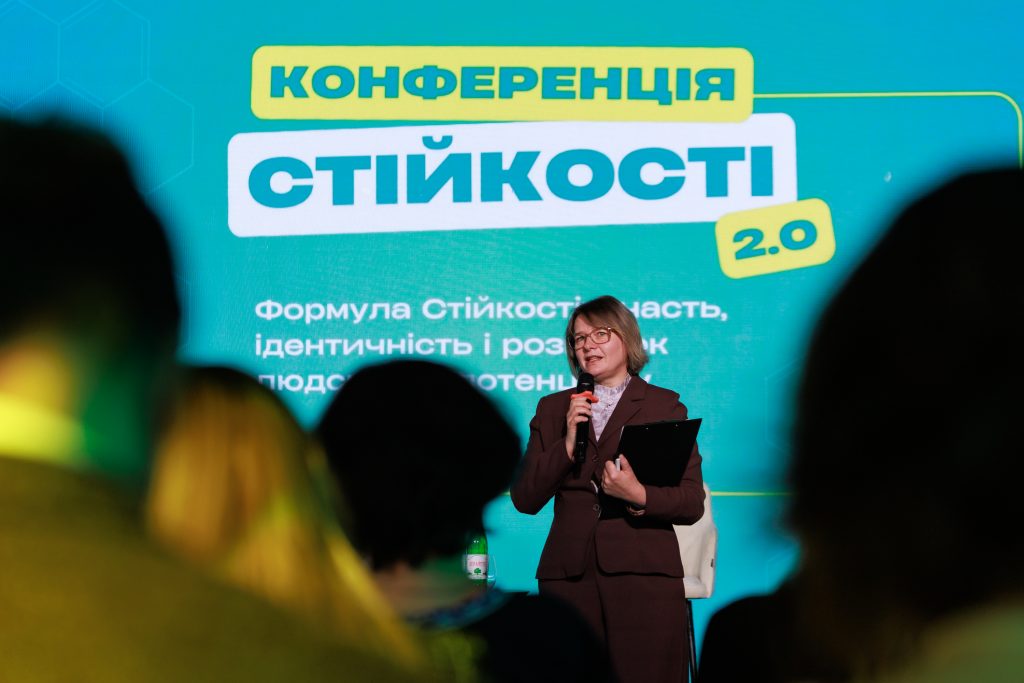
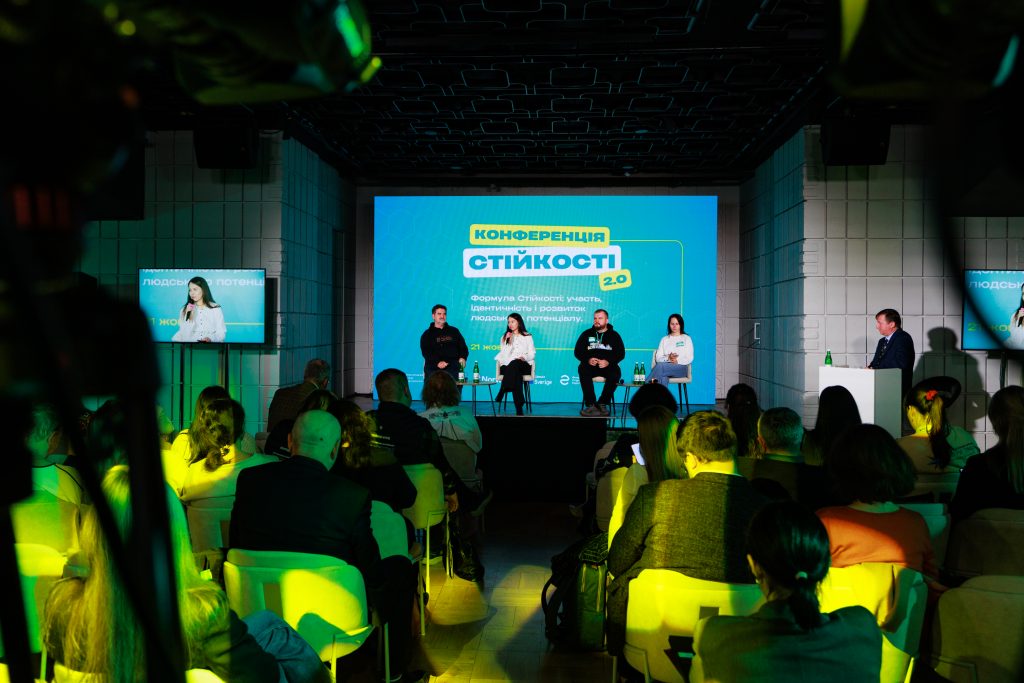
During the conference, analytical findings on the level of resilience and the involvement of civil society organizations in the recovery process were presented, serving as a basis for further decisions and regional discussions.
Thus, the Resilience Conferences have become a platform that allows for regular reflection on the issue of resilience and helps maintain a shared understanding of the progress of Ukraine’s recovery.
Regional Conferences: Feedback from the Field
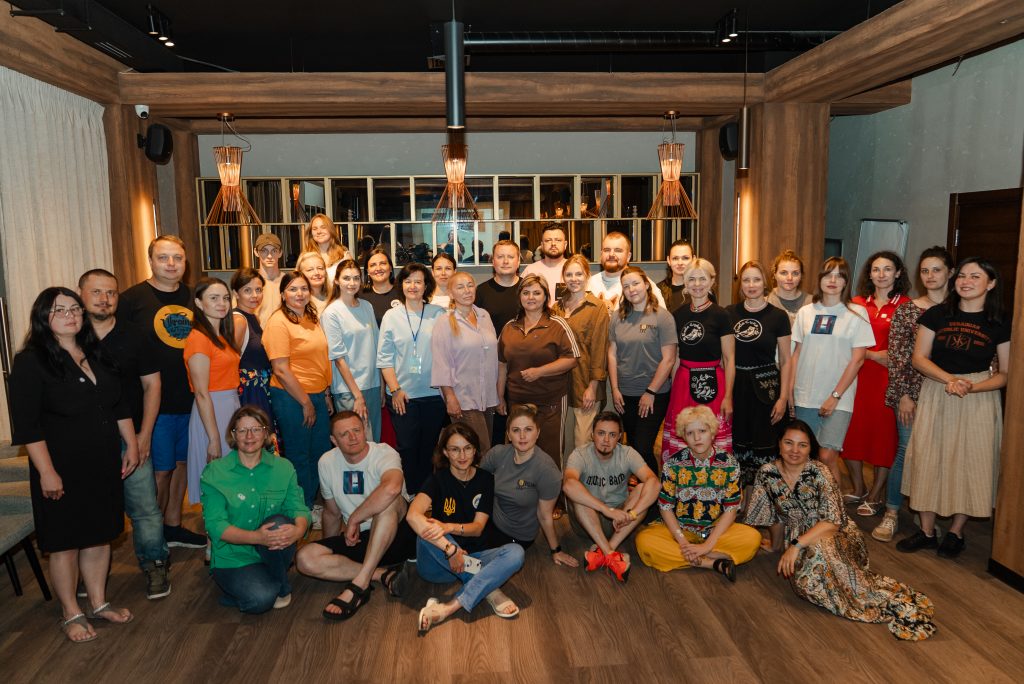
Following the “Resilience Conference 2.0,” the work continued in the regions. As part of the Impulse Project, a series of seven regional Resilience Conferences was held in various regions of Ukraine, where the challenges posed by the war take different forms and require different solutions.
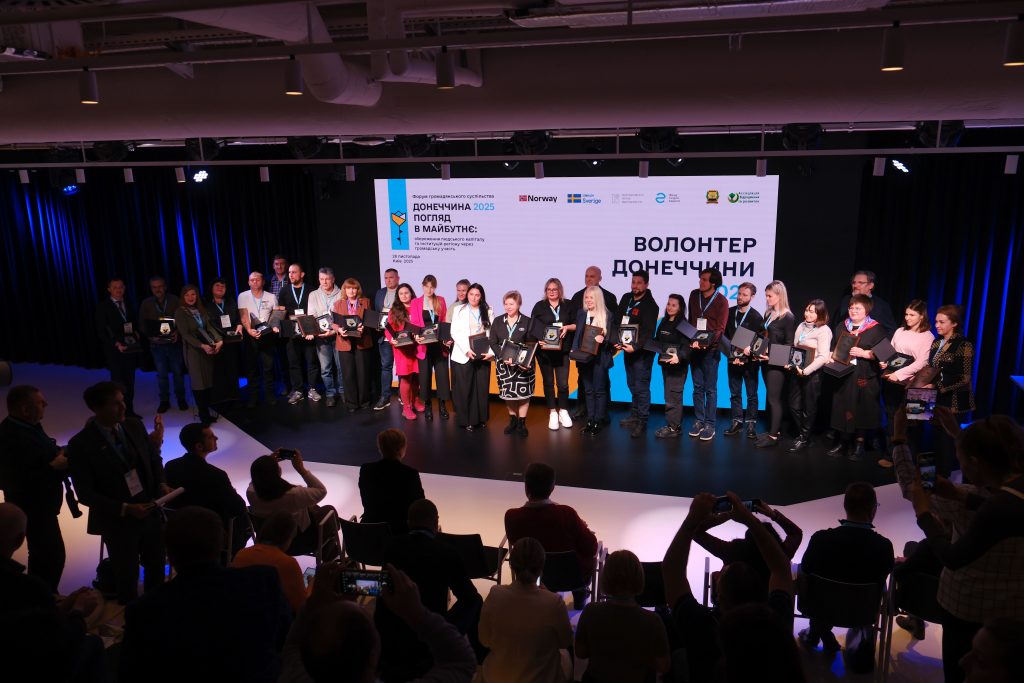
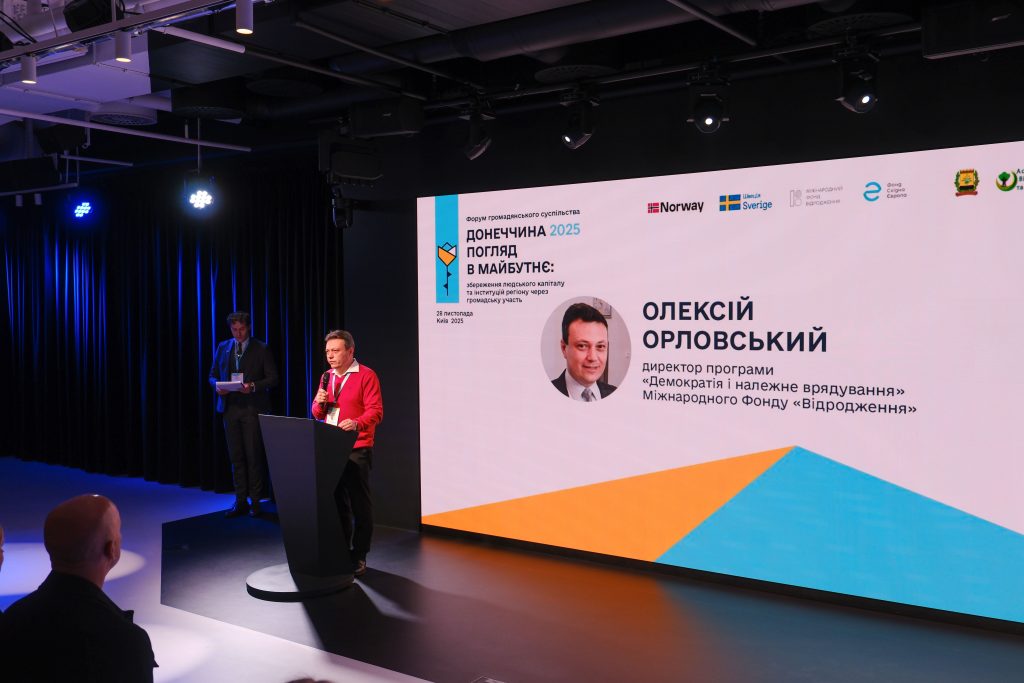
The Donetsk conference took place in Kyiv as part of the “Donetsk Region 2025” forum and brought together over 170 participants in person and about 1,500 online. The focus was on preserving human capital amid constant shelling and preparing for de-occupation.
In Zaporizhzhia, the “Unbreakable Southeast” conference brought together representatives from the Zaporizhzhia, Kherson, and Mykolaiv regions to discuss resilience practices already in place within their communities. To scale up this experience, a case study titled “Resilience Practices in the Southeastern Regions of Ukraine” was developed based on the event’s outcomes.
A separate conference dedicated to the Luhansk region was also held in Kyiv. Participants discussed approaches to managing temporarily occupied territories and the role of institutions.
In Kryvyi Rih, the conference focused on restoring water security and community resilience in frontline and affected regions.
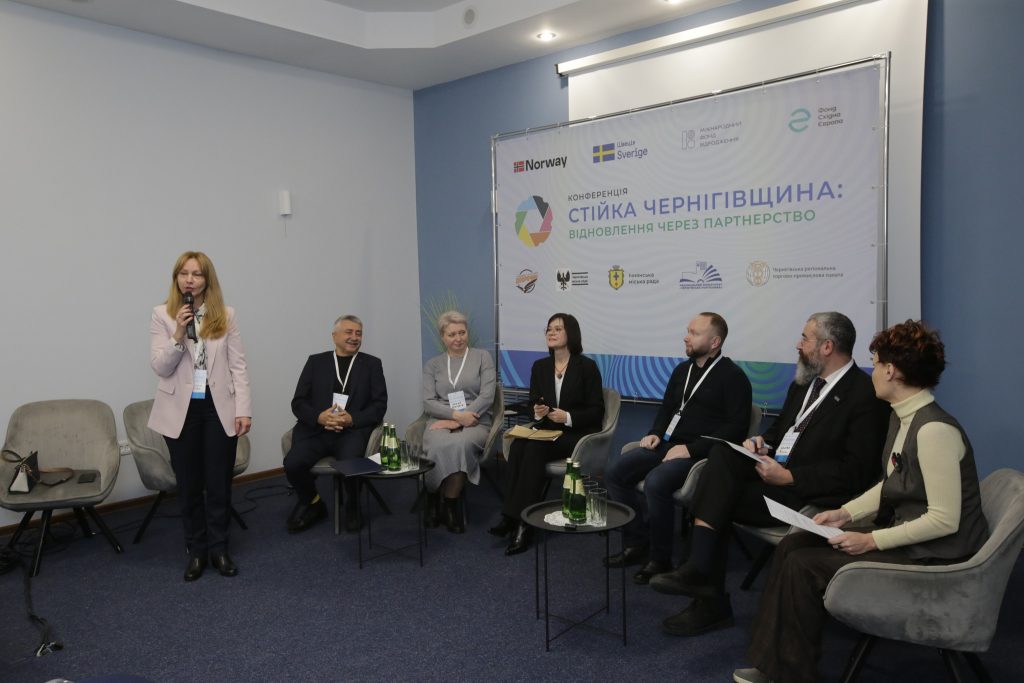
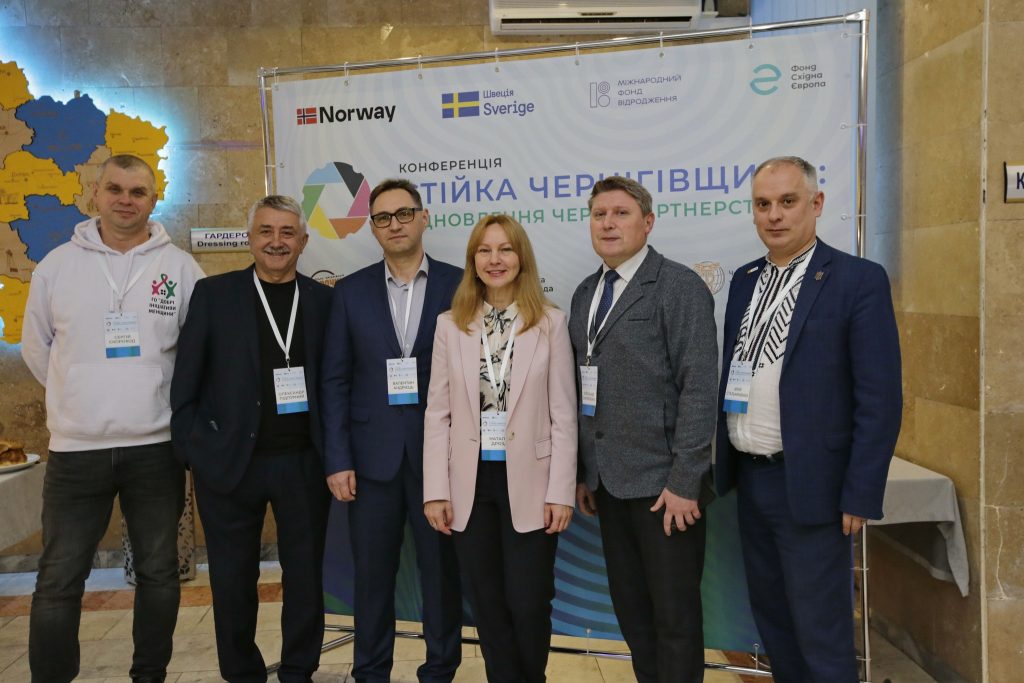
In Chernihiv, participants worked on concrete solutions—ranging from people-centered reconstruction to economic resilience and collaboration between education and business. Following the conference “Resilient Chernihiv Region: Recovery Through Partnership,” an analytical brochure was prepared, summarizing the key outcomes of the panel discussions and the strategic insights of the participants.
A conference titled “Synergy of Sumy Region’s Youth” was held in Poltava. It focused on community planning in wartime, as well as the exchange of best practices, collaborative decision-making, and engaging young people in the recovery process.
In Odesa, the conference brought together representatives from several regions to discuss practical solutions for communities—ranging from entrepreneurship and mobility to the quality of services for veterans and internally displaced persons.
Regional “Resilience Conferences” have shown that each region is finding its own solutions to shared challenges while simultaneously shaping a common vision for recovery at the national level. This holds great practical value for civil society. Resilience Conferences serve as a space for exchanging experiences, practical solutions, and approaches that have already proven effective in communities. Such exchange allows for the faster scaling of successful recovery practices and strengthens organizations’ capacity to respond to the challenges of war.
And we planned for the logic of resilience to work exactly this way: from discussions to a document, from a document to new solutions, ideas, and influence on policymakers. Next comes testing them on the ground, refining them, and rolling them out across the country. As a result, this ecosystem has evolved into a large-scale platform of Resilience Conferences, which made it into the Top 25 projects of the Foundation and its partners that changed the country in 2025.