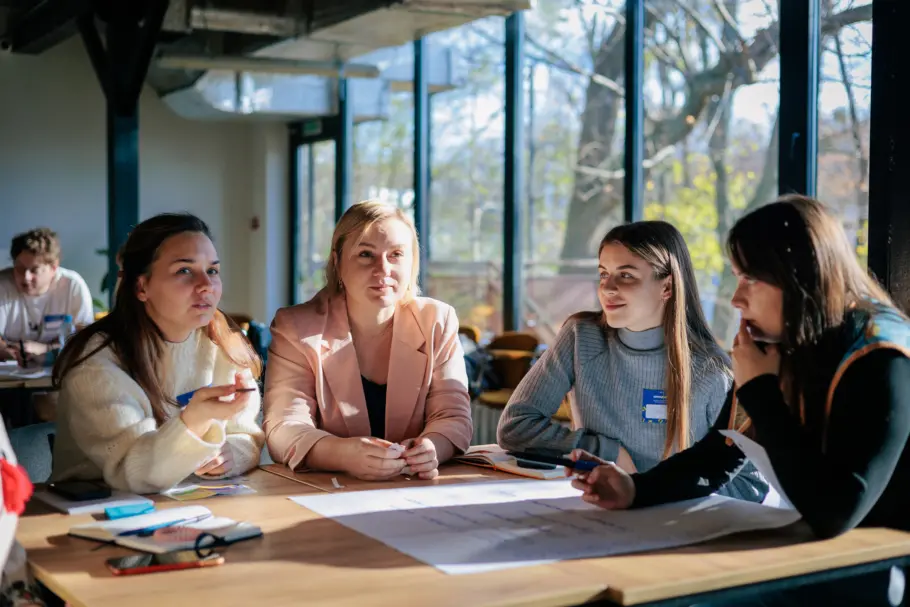
“Path to Freedom” Forum: Is Ukraine Ready for a New Policy Toward Belarus?
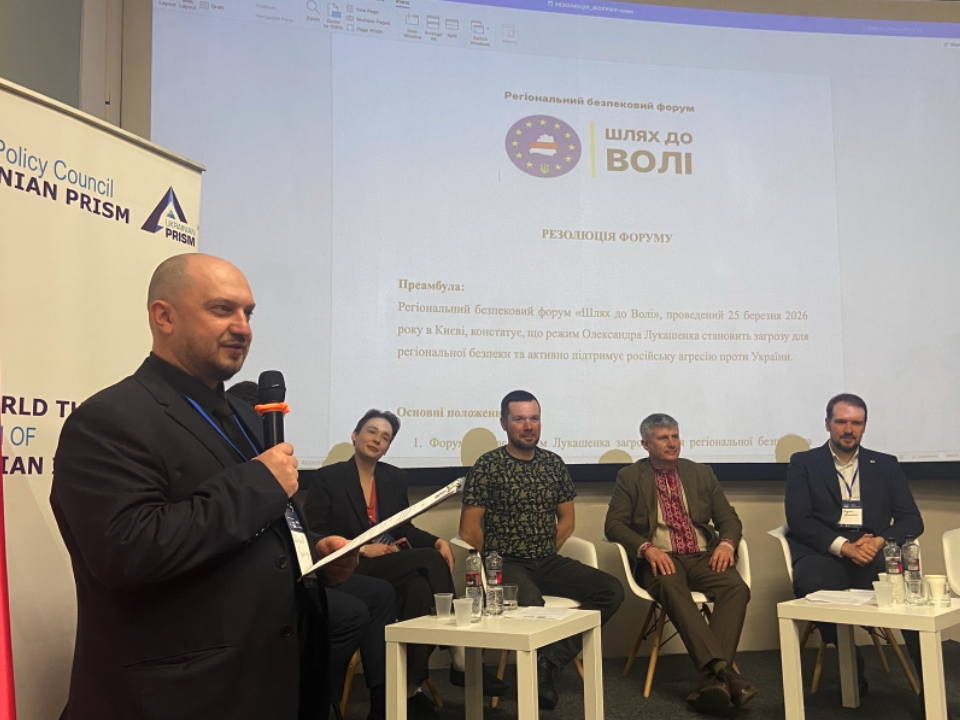
On March 25 of this year, on Belarusian Freedom Day, the Regional Security Forum “The Path to Freedom” was held in Kyiv, bringing together Ukrainian and international political figures, experts, representatives of Belarusian democratic forces, and the volunteer movement. Participants discussed key regional security challenges, Belarus’s role in the context of the war, and the prospects for transforming Ukrainian-Belarusian relations following the fall of the authoritarian regime.
The event was organized by the “Ukrainian Prism” Foreign Policy Council together with the United Transitional Cabinet of Belarus, with the support of the International Renaissance Foundation.
The forum’s program included a series of thematic discussions, including the following panels:
- “Ukraine–Belarus: A New Model of Relations During Wartime”
- “Belarus as a Factor in Regional Security: Current Threats and Scenarios for 2026–2027”
- “The Path to Freedom: Forms of the Belarusian National Liberation Struggle Acceptable to Europe”
- “The Belarusian Volunteer Movement: Legalization, Prospects, Support for Veterans”
- and a concluding discussion titled “Regional Interaction: Which Formats of Cooperation Have the Greatest Potential.”
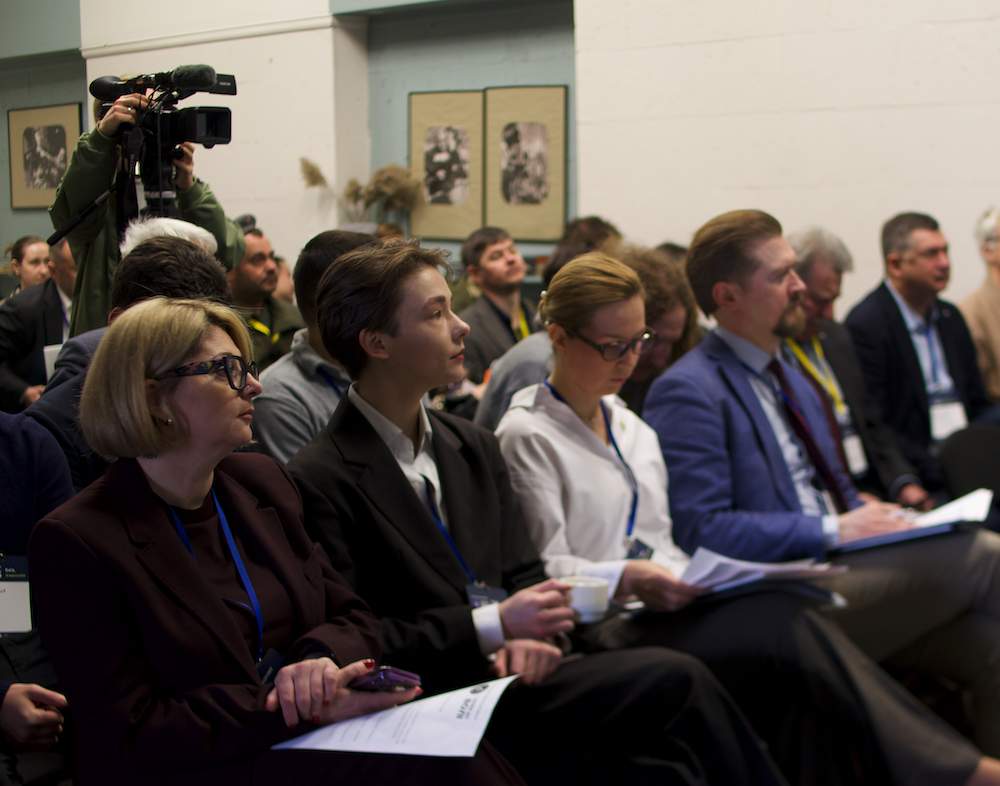
The forum served as a platform for open and expert dialogue on ways to support the Belarusian opposition, intensify sanctions pressure on Alexander Lukashenko’s regime, and develop new formats for cooperation in Eastern Europe. Special attention was paid to the Belarusian volunteer movement, the legalization of its members, as well as their role in the joint struggle against Russian aggression and Belarus’s national liberation struggle against the current regime.
During the forum, it was noted that the state of Ukrainian-Belarusian relations still suffers from a certain dualism: on the one hand, Belarus is perceived as an accomplice in the aggression against Ukraine, and on the other, Ukraine’s diplomatic mission remains active in Minsk. Consequently, a key task arises—to establish a unified approach in Ukraine, particularly at the official level.
At the same time, the view is gaining ground in Ukrainian society that it is necessary to clearly distinguish between Alexander Lukashenko’s regime and the Belarusian people and the state of Belarus as an important element of the security architecture in Eastern Europe and, in particular, of Ukraine’s national security. It is on this distinction that the future strategy for the development of Ukrainian-Belarusian relations must be based.
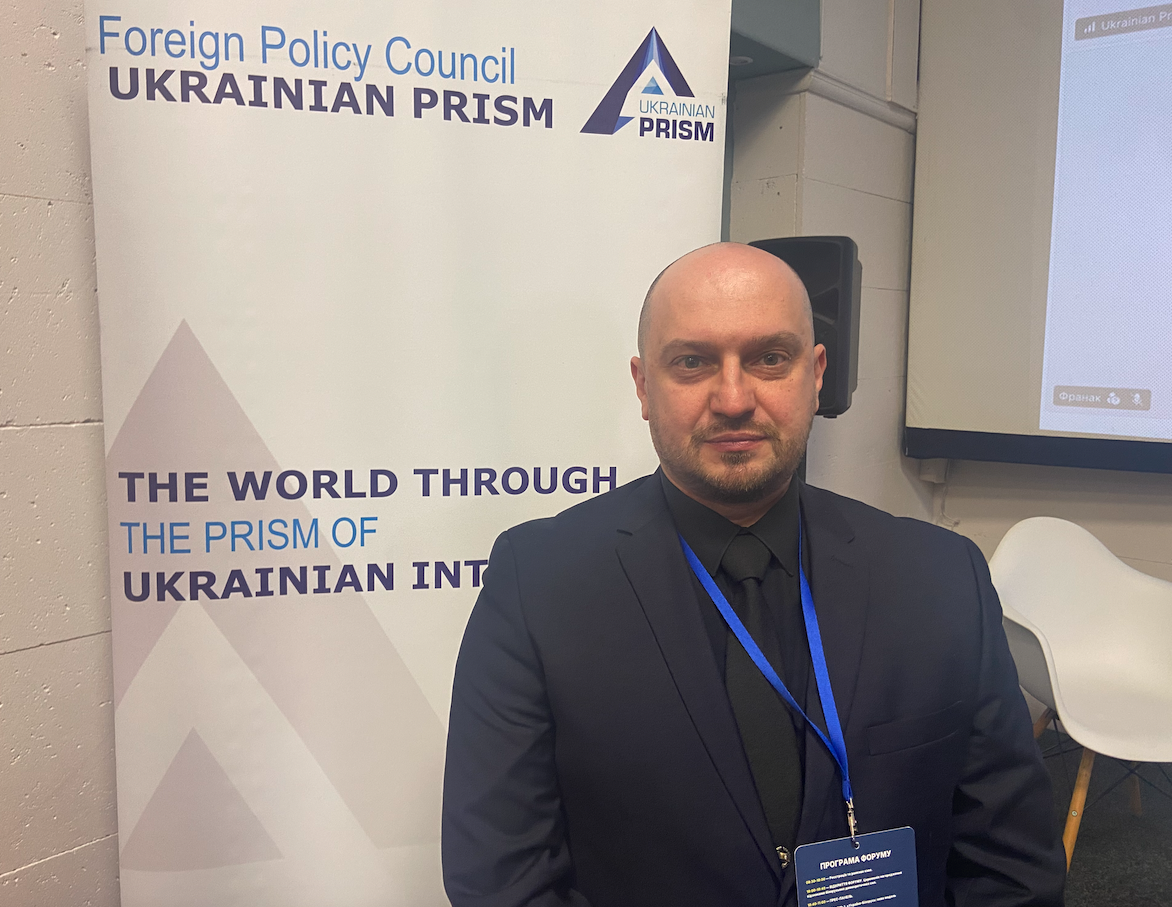
“Developing such a strategy requires a clear vision and a clarification of concepts. Recently, a certain degree of clarity has emerged, although it has not yet been formalized in an official strategic document. At the same time, an important signal came from President Volodymyr Zelenskyy, who recently publicly emphasized that Lukashenko’s regime is an accomplice to aggression, while clearly distinguishing it from the Belarusian people. “It is likely that this very approach will form the basis for a future strategic document, which could be developed by the expert community and proposed as an initiative for consideration by government authorities,” emphasized Yaroslav Chornogor, director of the Russian and Belarusian Studies Program at the NGO “Foreign Policy Council: Ukrainian Prism.”
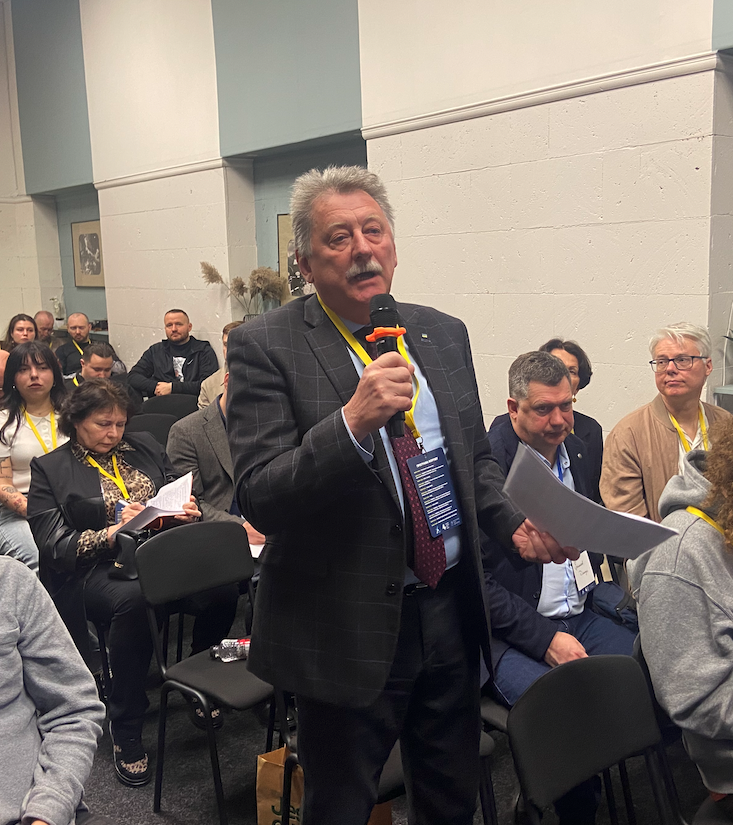
Ihor Kyzym, a career diplomat, noted, however, that as early as 2024, following his appointment as Ambassador-at-Large for Belarus, he had drafted an action plan that could now be refined. According to him, “the main factors that will influence the further development of Ukrainian-Belarusian relations are a clear articulation by Ukraine’s top leadership of its stance toward the Lukashenko regime and its leader, as well as a firm political will to cooperate with Belarusian democratic forces.”
(As a reminder, on January 25 of this year, Ukrainian President Volodymyr Zelenskyy, speaking in Vilnius during events marking the anniversary of the January Uprising, described Belarus as a springboard for Russia’s war against Ukraine and a tool for blackmailing Europe and the world, emphasizing that Belarusian leader Alexander Lukashenko currently has more rights than the people of Belarus. He stressed the critical need to support the Belarusian people and expressed gratitude to the Belarusian volunteers fighting for Ukraine’s independence and a historic opportunity for their own country. On the same day in Vilnius, Zelenskyy held his first bilateral meeting with Sviatlana Tsikhanouskaya, the leader of the Belarusian democratic forces. The parties discussed support for a democratic Belarus, the release of political prisoners, and the possibility of their reception in Ukraine. They also discussed sanctions policy and holding Lukashenko and his inner circle accountable, particularly for the deportation of Ukrainian children. Separately, Tikhanovskaya proposed appointing a special envoy for Belarus, and Zelensky invited her to visit Kyiv.)
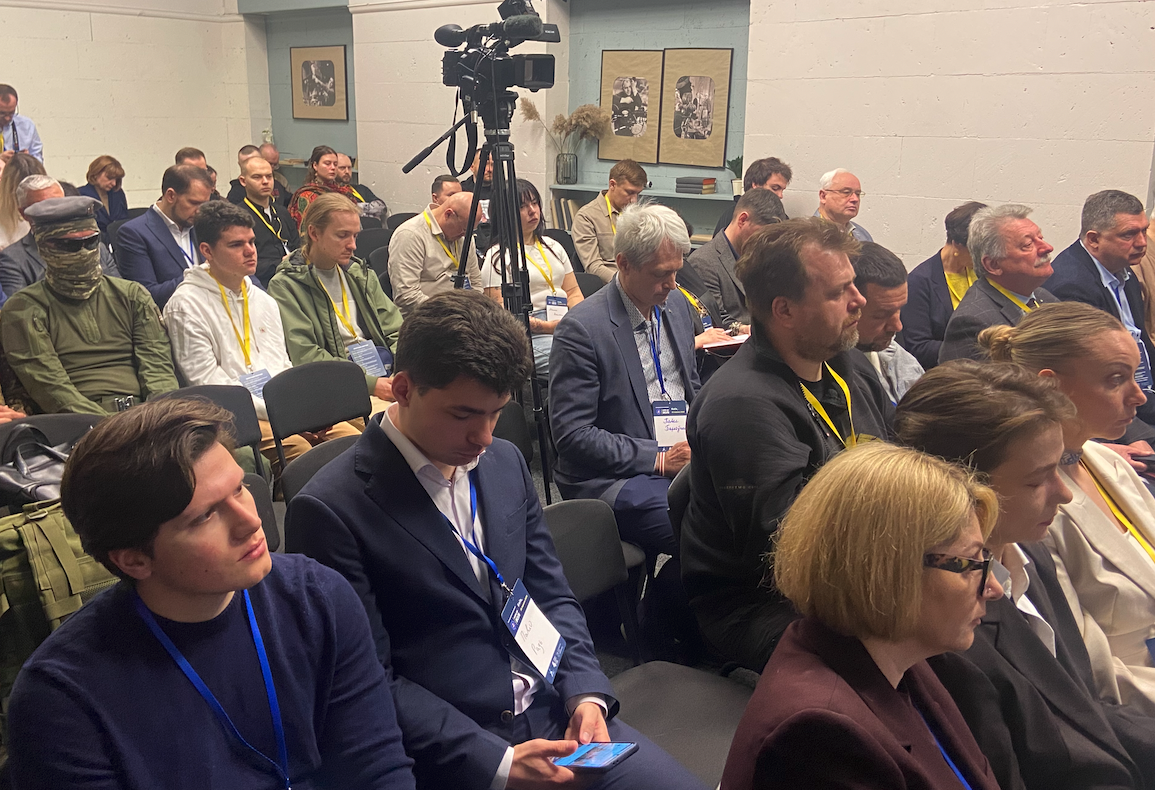
In turn, Ilya Kvas, head of the Department for Unfriendly Countries at the Ukrainian Ministry of Foreign Affairs, added that the ministry is ready to participate in drafting the relevant strategic document. At the same time, the shift in the U.S. position should be taken into account.
Among the specific elements for its successful implementation, participants cited the need to establish the position of a special representative of Ukraine for engagement with Belarusian opposition forces, as well as granting diplomatic status to the representative office of the United Transitional Cabinet of Belarus in Ukraine.
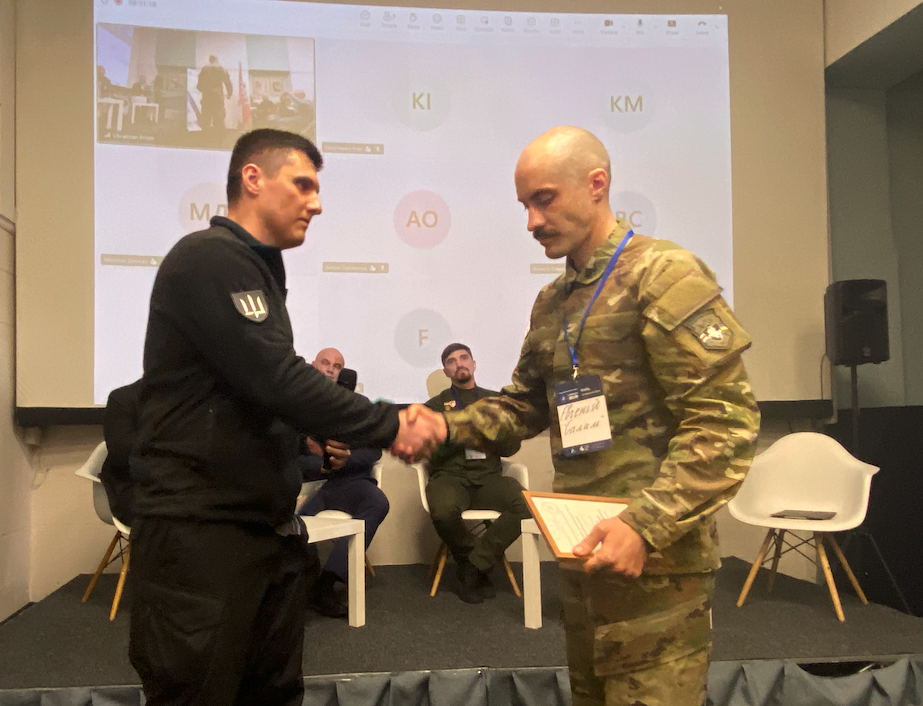
It was specifically noted that a change in Kyiv’s approach to the Belarusian opposition could help resolve a number of practical issues. In particular, this refers to the situation where Belarusian citizens, including volunteers fighting on Ukraine’s side, still cannot fully legalize their residency status in the country and are forced to leave for Poland or Lithuania. At the same time, participants emphasized that this problem is long-standing and systemic—it is raised and discussed year after year at Ukrainian-Belarusian forums, yet it remains unresolved.
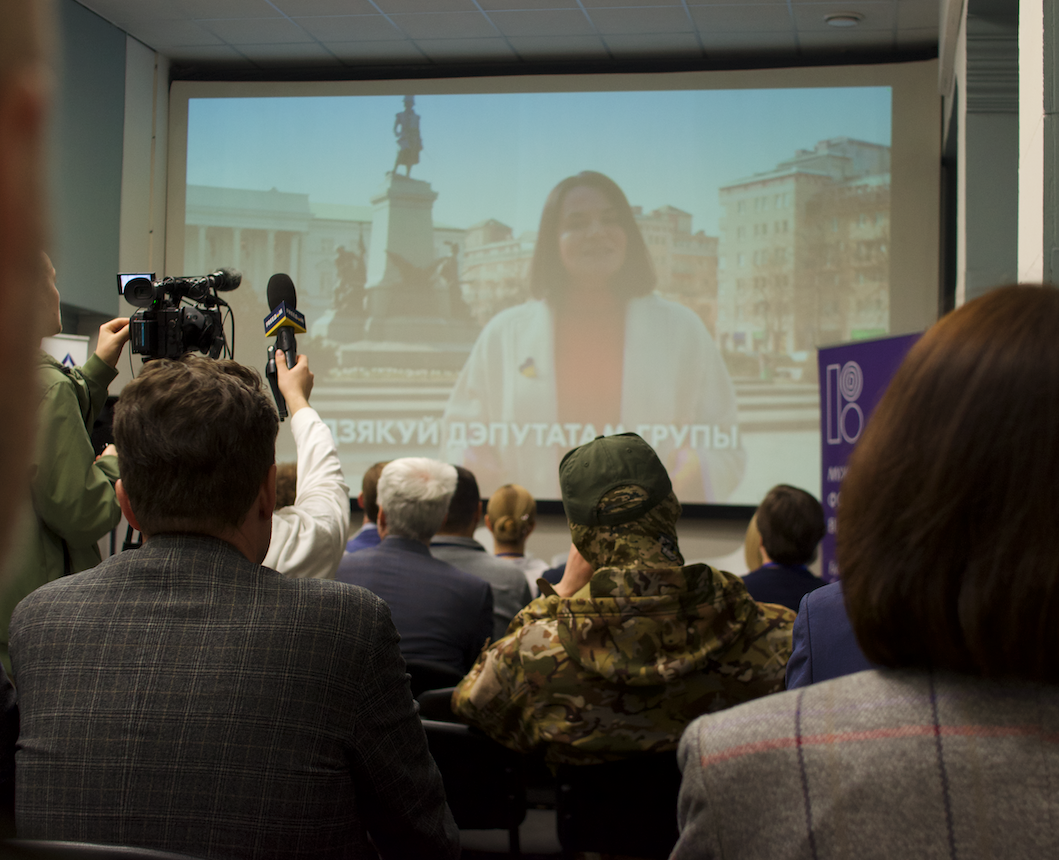
Sviatlana Tsikhanouskaya, leader of the Belarusian democratic forces, and Pavel Latushko, deputy head of the United Transitional Cabinet of Belarus, addressed the participants of the online meeting. Their main messages focused on several topics, including the need to strengthen sanctions against Lukashenko and his inner circle at all levels. In particular, he reported that he had submitted proposals to Vladislav Vlasyuk, an advisor to the Office of the President of Ukraine and the Commissioner for Sanctions Policy, regarding where sanctions against the Lukashenko regime could be further strengthened. These proposals include stopping the fraudulent transit of sanctioned goods, as well as additional financial sanctions targeting the banking system.
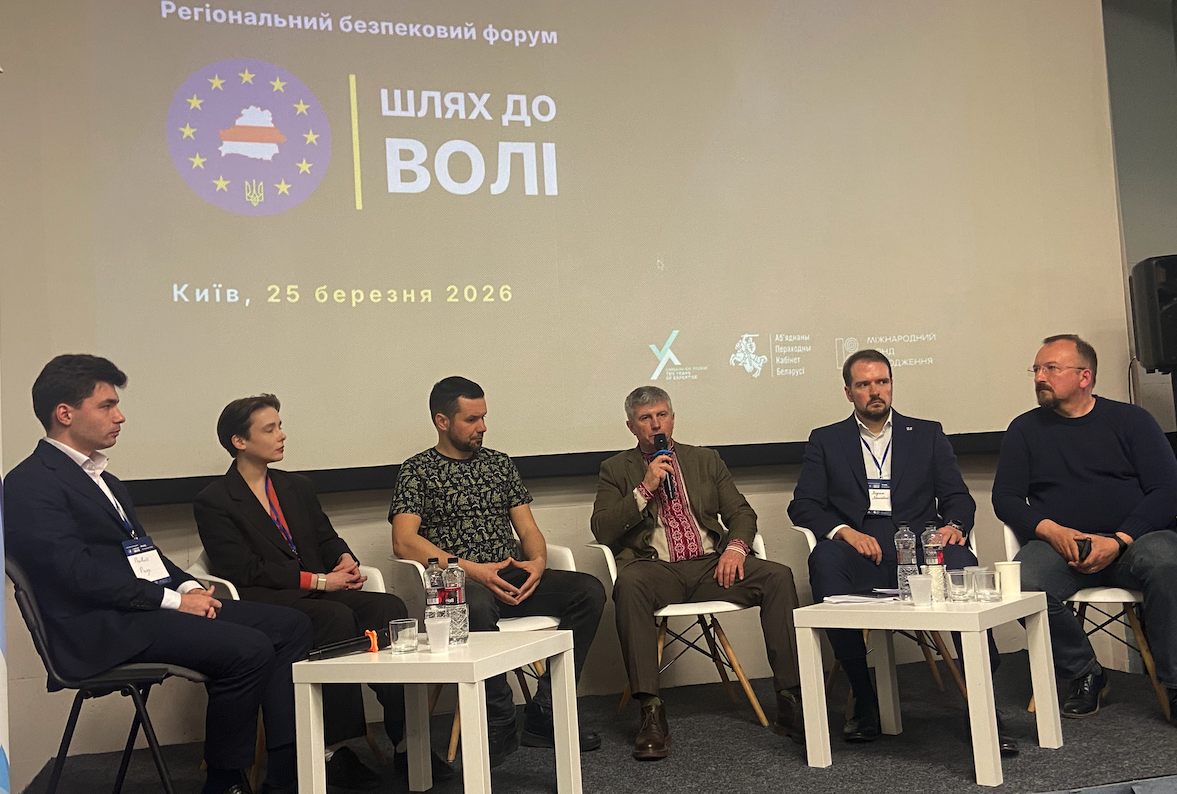
Pavlo Latushko emphasized that Lukashenko was and remains a Soviet-style pro-Russian politician who usurped power and deprived the Belarusian people of their political agency. At the same time, his deals with the Americans should not mislead anyone. He may deceive the Americans time and again, but the political terror in Belarus will not cease. It is impossible to whitewash Lukashenko.
It is also necessary to support the Belarusian opposition, especially at the political level. In particular, this involves strengthening the institutional capacity of the United Transitional Cabinet of Belarus, its chair Sviatlana Tsikhanouskaya, and the Coordination Council.
This also involves joint action within the framework of European Union structures to speak with one voice to the world about the crimes of Lukashenko and his henchmen. This refers, in particular, to the deportation of Ukrainian children from the occupied territories of Ukraine to Belarus, in which Lukashenko is personally involved. According to Pavlo Latushko, the Belarusian opposition recently submitted additional materials on this matter to the Office of the Prosecutor General of Ukraine as part of the relevant criminal proceedings.
According to Pavlo Latushko, this is an example of how relations between Ukraine and the Belarusian opposition could develop on the basis of taking both sides’ interests into account.
It is also important for the Belarusian opposition to cooperate with Ukraine’s representative at the International Criminal Court with a view to holding Lukashenko criminally liable for crimes against humanity.
The topic of forming the Belarusian opposition’s armed forces was also raised. The problem lies in the fragmentation and lack of coordination between Belarusian opposition political structures and armed/volunteer forces. The lack of a unified strategy, differing approaches to resources, legalization, and political interaction complicate joint actions against the Lukashenko regime and the effective organization of resistance. Ukraine has also yet to develop an appropriate approach to foreign volunteers to foster such movements rather than, conversely, stifle them.
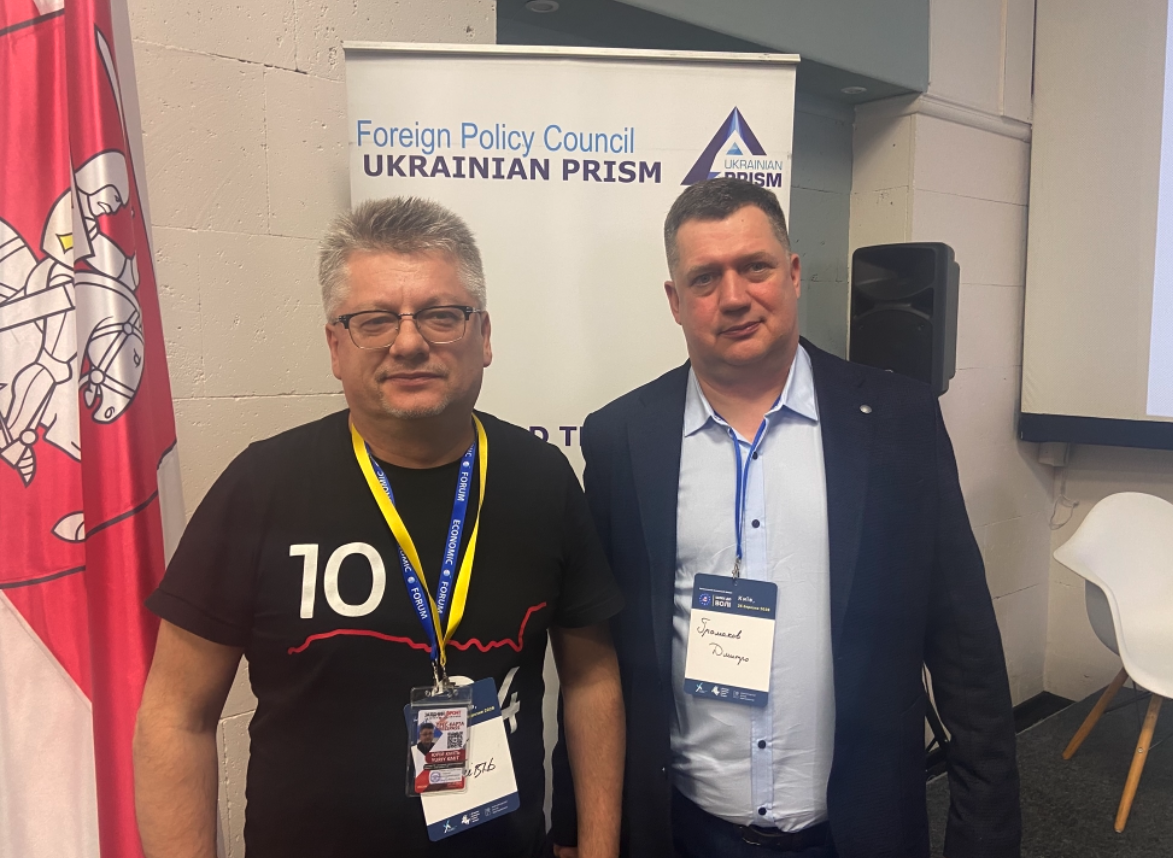
Yuriy Kmit, head of the NGO “Western Information Front,” noted: “The idea of forming such forces has been under discussion for a long time. Two key questions arise here: whose funds should be used and on the territory of which state such structures should be created. In my opinion, the optimal approach would be to do this within the Lublin Triangle—with the forces of Ukraine, Poland, and Lithuania. At the same time, Ukraine must change its attitude toward Belarusian volunteers as soon as possible. Currently, there are several problems: Belarusian volunteers cannot undergo training or hold officer positions—this is available only to Ukrainian citizens—and it is practically impossible for a Belarusian to become a full-fledged Ukrainian citizen. There are actually many such conflicts, and they indicate an unacceptable attitude toward Belarusian volunteers.”
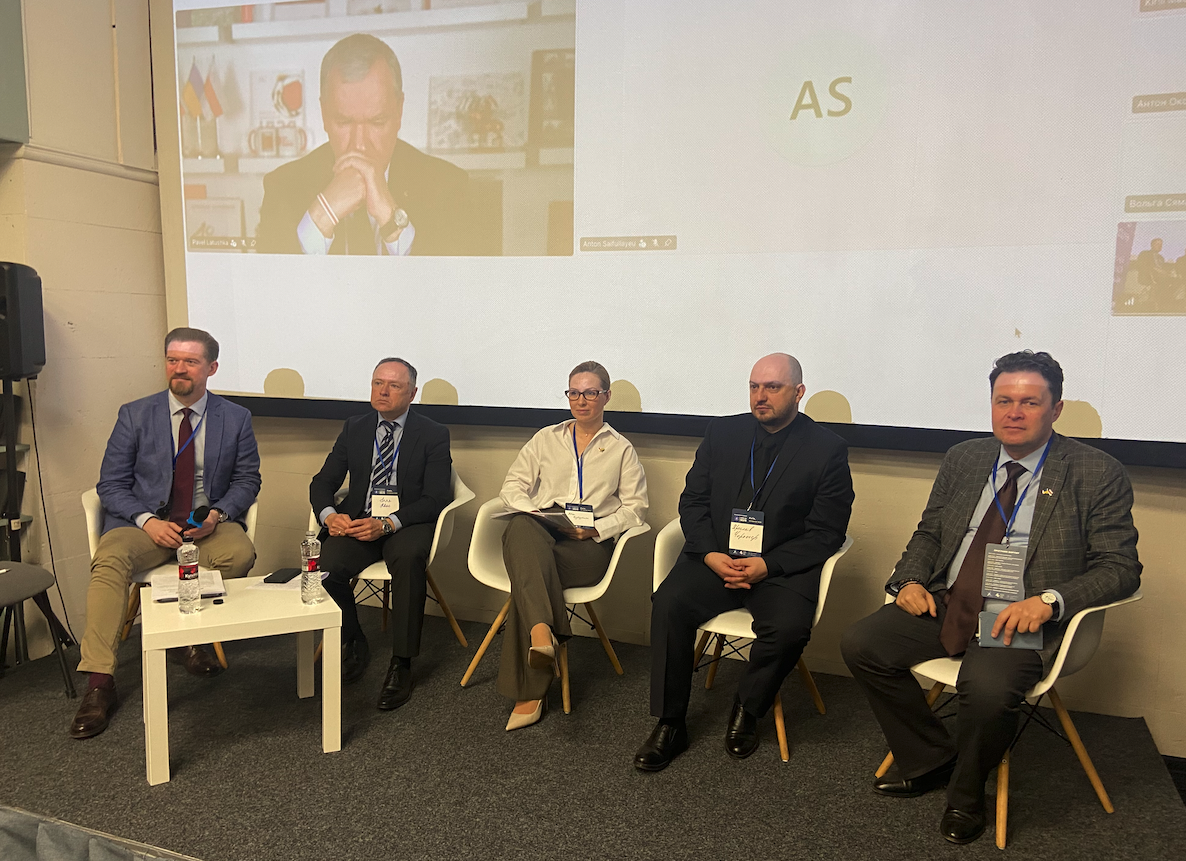
Let’s conclude this report with a comment from Yegen Magda, director of the Institute of World Policy:
“It’s no secret that Ukraine had indeed expected Sviatlana Tsikhanouskaya—following her meeting with Zelenskyy two months ago—to arrive in Kyiv on March 25, Freedom Day. But, as far as I understand, the Office of the President, unfortunately, lacks a clear political vision and political will; there is no, if you will, lobbyist for these relations who would ensure their advancement. Moreover, as I know, particularly from accounts of how our Belarusian colleagues made their way to this forum in Kyiv, their problems at the border have not diminished. Therefore, as of today, we need to come together, talk, and seek common ways to overcome these problems, establishing clear guidelines, because no one but us will walk the path of a thousand steps.”
Source: Western Front