How to Directly Shape Community Decisions: Five Tools for Participation from the Impulse Project
Resident participation in decision-making is key to the development and recovery of affected communities in Ukraine. Tools for local democracy are now available to everyone. And they truly work when used correctly.
It is precisely this participation that allows communities to be built where decisions meet real needs, take diverse voices into account, and create opportunities for everyone. That is why “Impulse” grantees actively involve residents in decision-making regarding recovery and development.
As part of the project, civil society organizations share their experiences and demonstrate which civic participation tools are available and are already yielding results in their communities.
Public advocacy
Community advocacy is one of the most direct ways for community members to influence local government decisions and bring about concrete change. The essence of this tool lies in consistent advocacy efforts: the community identifies an issue, unites around it, draws public attention to it, engages with government officials, and reinforces its position through petitions or proposals. Ultimately, this makes it possible to secure decisions that take people’s interests into account.
Practice shows that advocacy works when it combines different approaches—communication, public engagement, and systematic work with government agencies.
Example
Dmytro Halushko, a community advisor with the NGO “Association of Community Advisors of Ukraine,” joined forces with residents of Pidhorodne in the Dnipropetrovsk region to launch a campaign to protect a local park. The participants formed an initiative group, held meetings, drafted official appeals, and consulted with local authorities. As a result, the city council withdrew the proposal to lease part of the park.
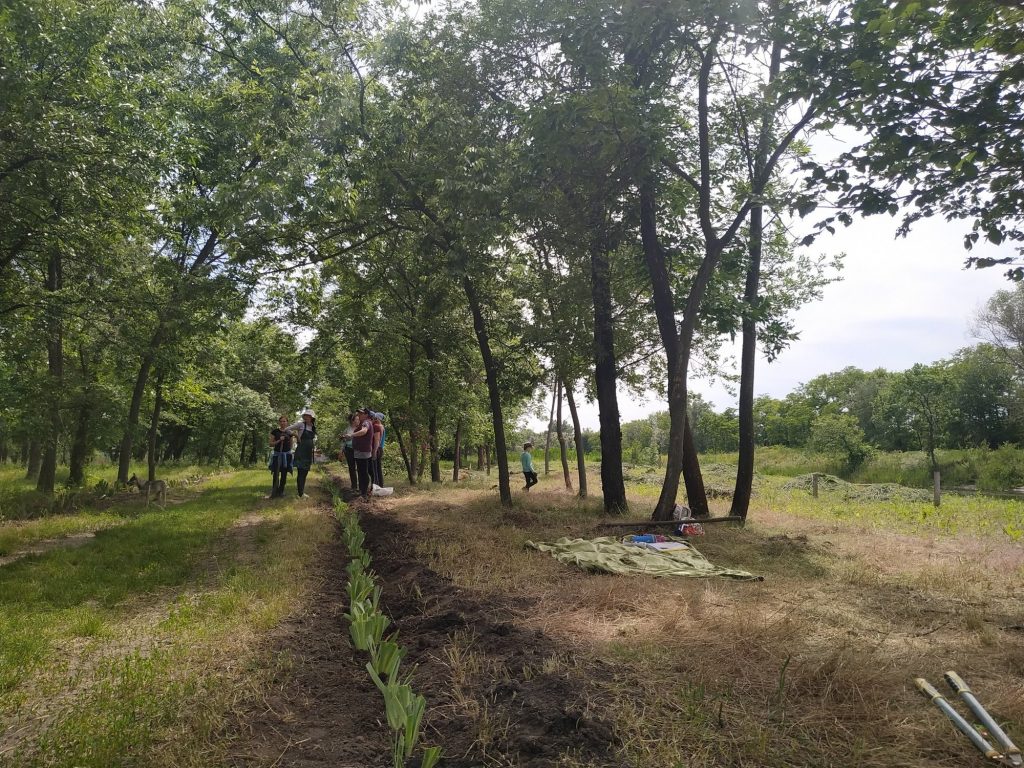
This case study demonstrates that civic advocacy is a practical tool for participation that enables residents to influence and change government decisions.
Local initiatives
Local initiatives are a tool that allows residents to directly submit their proposals to the local council for consideration. These are draft resolutions that can be put to a vote. The process involves residents formulating an idea in response to a community issue, drafting a resolution, and collecting signatures in support of it. Afterward, the local council is required to consider such an initiative in accordance with established procedures.
This makes it possible to influence specific issues in the community: from urban improvement and social services to infrastructure development or education. It is important that the initiative pertains to the local government’s jurisdiction; otherwise, it will not be accepted for consideration.
Example
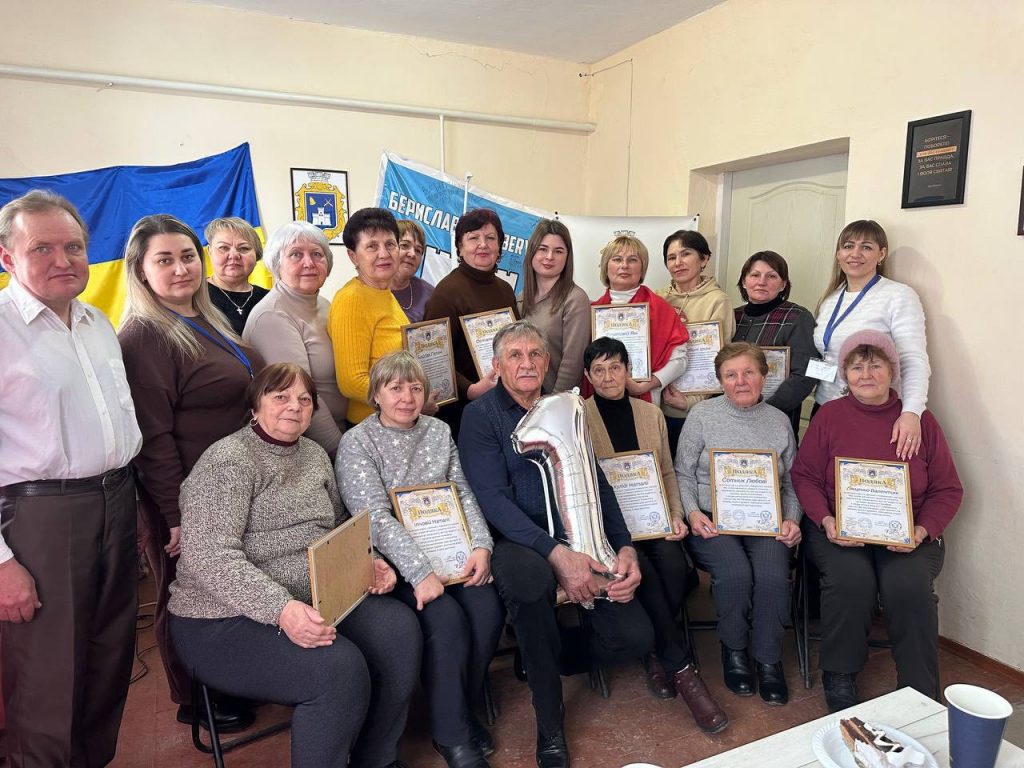
In the Beryslav community of the Kherson region, the nonprofit organization “Bery i Slav” has joined an initiative to restart the University of the Third Age. The project aims to support the activity, social engagement, and emotional well-being of people aged 60 and older. As part of the initiative, a psychologist and a lawyer work with participants to help create a supportive environment for older adults.
This example demonstrates that local initiatives allow the community to take the initiative rather than wait for decisions from above, enabling them to propose and implement changes on their own.
Advisory and consultative bodies
Advisory bodies are permanent forums where government officials and members of the public work together to develop solutions. Civil society organizations, experts, and active residents participate in their work.
In these forums, they discuss pressing community issues, influence budgetary and administrative decisions, and help refine them. This allows for the needs of different groups to be taken into account and makes decisions more transparent and understandable.
Advisory bodies create a space for regular dialogue and give the public the opportunity to influence the process even before decisions are made.
Example
Members of the civil society organization “Center for Civic Initiatives ‘Intellect of Sumy Region’” serve on advisory bodies and have a track record of bringing about real change in their communities. Through this involvement, they contribute to policy discussions, influence the content of decisions, and help make policymakers more responsive to people’s needs. For example, organization member Kristina Sakhno is part of the secretariat of the “1325 Sumy Region” coalition. Thanks to the coalition’s work, over 63 million hryvnias have been secured for project implementation in the region.
Oleg Tulyakov heads the public council at the Sumy Regional State Administration. Through his collaboration with the online media outlet “Sumy Channel,” he raises critical issues facing the region. This has helped restore payments to volunteer unit fighters, preserve a military training facility, and initiate criminal proceedings regarding corruption in the heat supply sector.
This tool demonstrates that it is possible to influence decisions by becoming involved in the ongoing work within the decision-making process.
Petitions
Petitions are a tool for civic engagement that allow residents to formally submit a proposal or an issue requiring a solution to local authorities. They can be submitted either electronically or on paper, depending on the community’s capabilities. In both cases, the process works as follows: gather support from other community members and submit a joint request to the authorities.
Petitions are submitted on issues within the jurisdiction of local authorities: public works, transportation, social services, and the community budget. For a petition to be considered, a certain number of signatures must be collected (the number is set by the city council). After that, the local government is required to review it and provide a response.
Example
Community advisors Iryna Ostrovska and Maryna Kovalyk from the NGO “Association of Community Advisors of Ukraine” conducted workshops for young people in Pervomaisk, Mykolaiv Oblast, on tools for civic engagement. As a result, the students independently submitted an online petition and were invited to public hearings on the community charter.
This tool allows you to quickly raise an important issue and demonstrate that it has support. At the same time, petitions are often the first step toward achieving change and work best in combination with other participation tools.
Focus Group Research
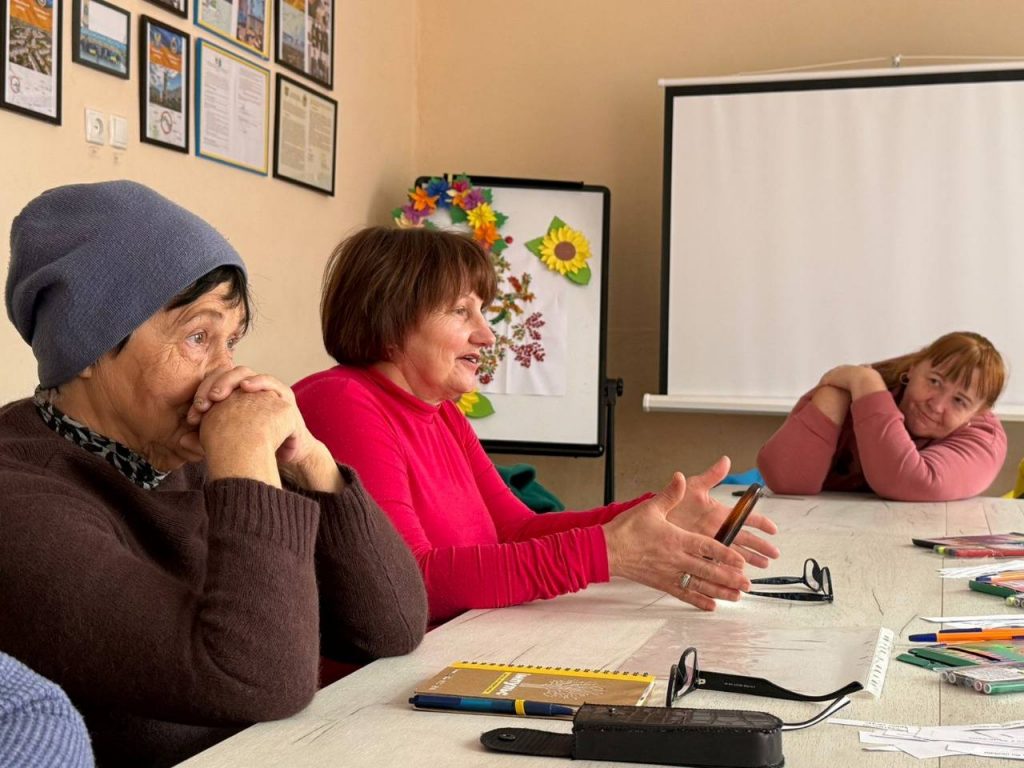
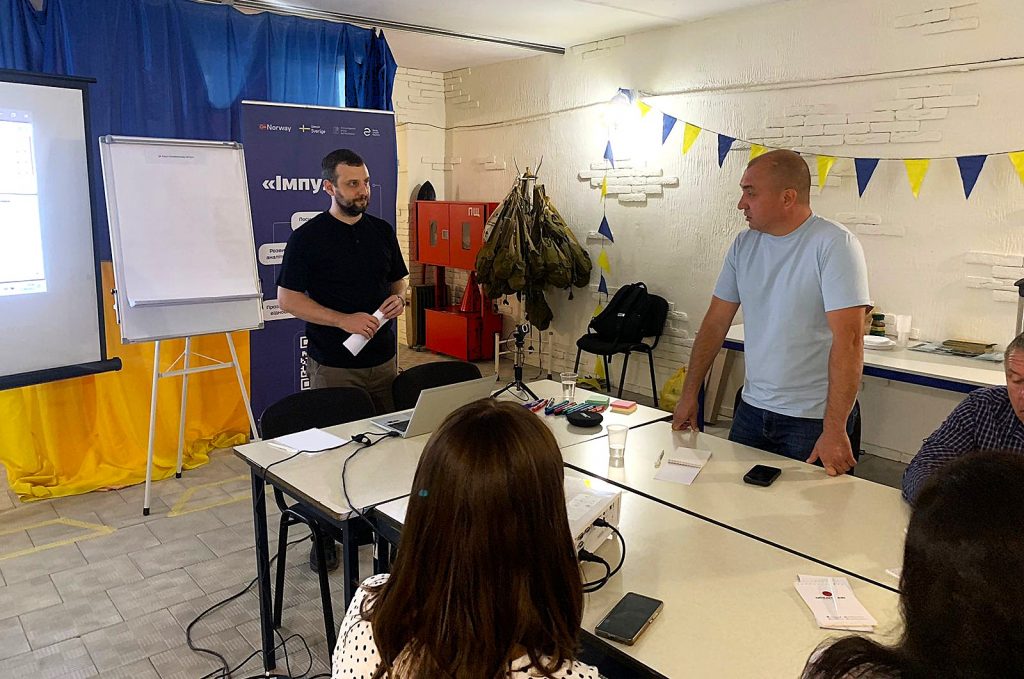
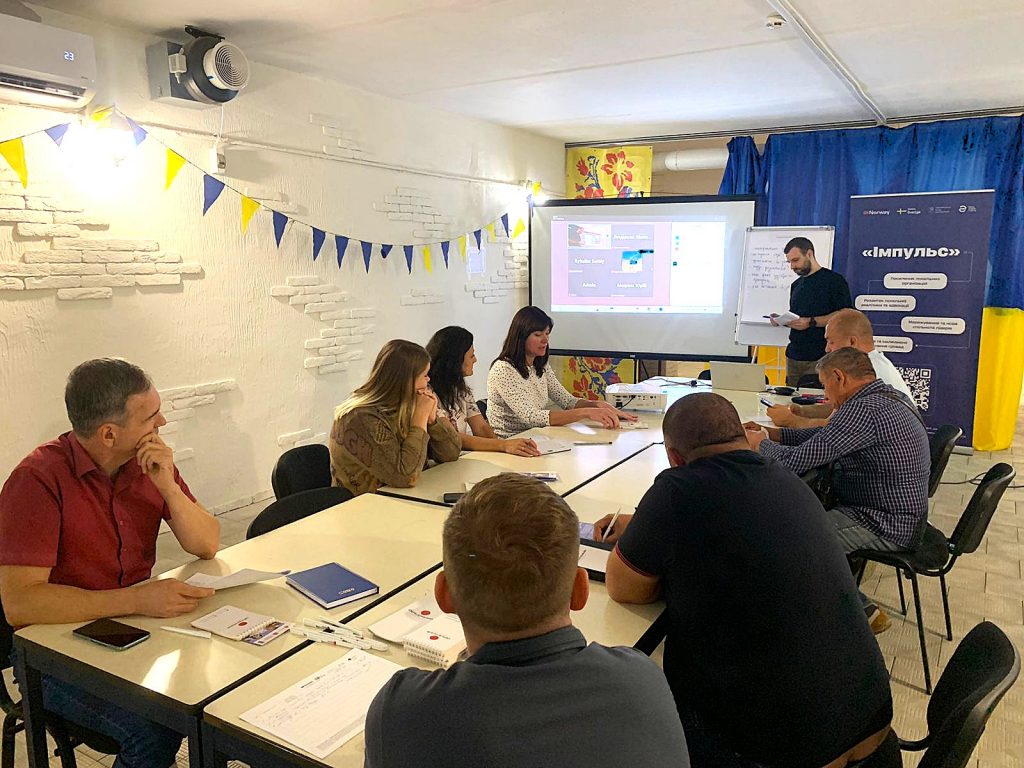
Focus group studies are a way to gather deeper insights and experiences from people before making decisions. They help us understand how different groups view issues in the community. These sessions take the form of a moderated discussion with a small group of participants. In communities, focus groups are often conducted by civil society organizations or local authorities. It is a lively discussion where people share their experiences, needs, and concerns. Various groups are invited to participate—youth, IDPs, veterans, local entrepreneurs, women, and other vulnerable groups.
The moderator guides the conversation to gather different perspectives, clarify responses, and gain a deeper understanding of the reasons behind behaviors, as well as to identify hidden conflicts or fears that are not always apparent in surveys.
The collected opinions are analyzed and then serve as the basis for decisions, programs, or strategies at the community level. This approach allows decisions to be more inclusive and responsive to people’s real needs.
Example
In the Kherson and Chornobaiv communities, focus group studies formed the basis for the creation of risk profiles. Participants themselves defined what “risk” meant to them, after which 50 risks were identified, and a plan was developed to address them.
Focus group studies also have a broader impact: they increase people’s participation in community life, build trust in decisions, and reduce social tension.
The document was prepared within the framework of the Impulse Project implemented by the International Renaissance Foundation and the East Europe Foundation with funding from Norway (Norad) and Sweden (Sida).