From local initiatives to impactful advocacy campaigns: how NAM amplifies the voice of communities through the media
Not all issues important to the community are heard. Often, it is not the substance that is lacking, but a voice capable of attracting attention and influencing decisions. We are wrapping up the project “Turn Up the Volume: From Voice to Action. Empowering Communities Through Advocacy and Media,” which helped six civil society organizations from three regions of Ukraine speak in a way that gets them heard and act in a way that brings about change. This project is part of the Association’s broader approach to establishing systematic cooperation between civil society organizations and the media—through a large network of media partners, expertise, and practical support in creating impactful communication solutions.
How the team worked
In this project, NAM combined advocacy and communication, helping civil society organizations transform local initiatives into public advocacy campaigns that attract attention and influence decision-making in communities.
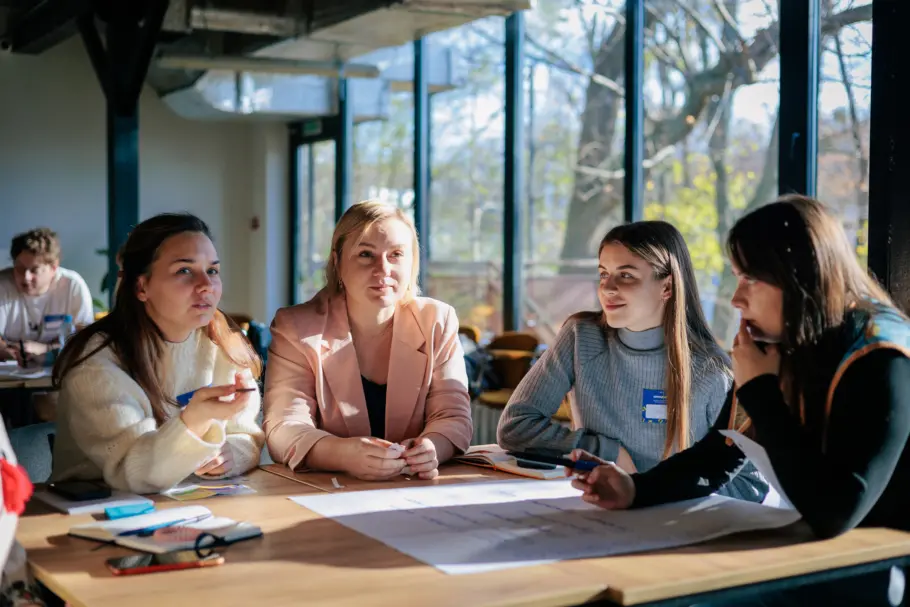
Over the course of the year, 18 representatives from six civil society organizations in the Sumy, Odesa, and Kyiv regions worked alongside NAM experts on their own cases. We taught participants to analyze problems in their communities, set goals, identify target audiences, and develop advocacy strategies and communication plans.
A separate focus was on collaboration with the media as a tool for influence. The team helped the participants build partnerships with local TV stations, work with them on content, and find formats that allow complex social issues to be explained through people’s stories.
“A key feature of the project is the methodology through which civil society organizations systematically plan their advocacy campaigns, establishing collaboration with the media from the very beginning as one of their key tools for influence. They not only shape decisions but also work with local television stations to create content that helps convey these ideas to a wider audience. These are documentary stories, video materials, and multimedia formats that allow complex social issues to be translated into relatable human stories. It is through such stories that public interest and the demand for change are fostered,” notes Kateryna Myasnikova, Executive Director of the Association.
After the training phase, the teams moved on to practical work—together with media partners, they created multimedia content and launched their own advocacy campaigns in their communities.
How it worked in practice
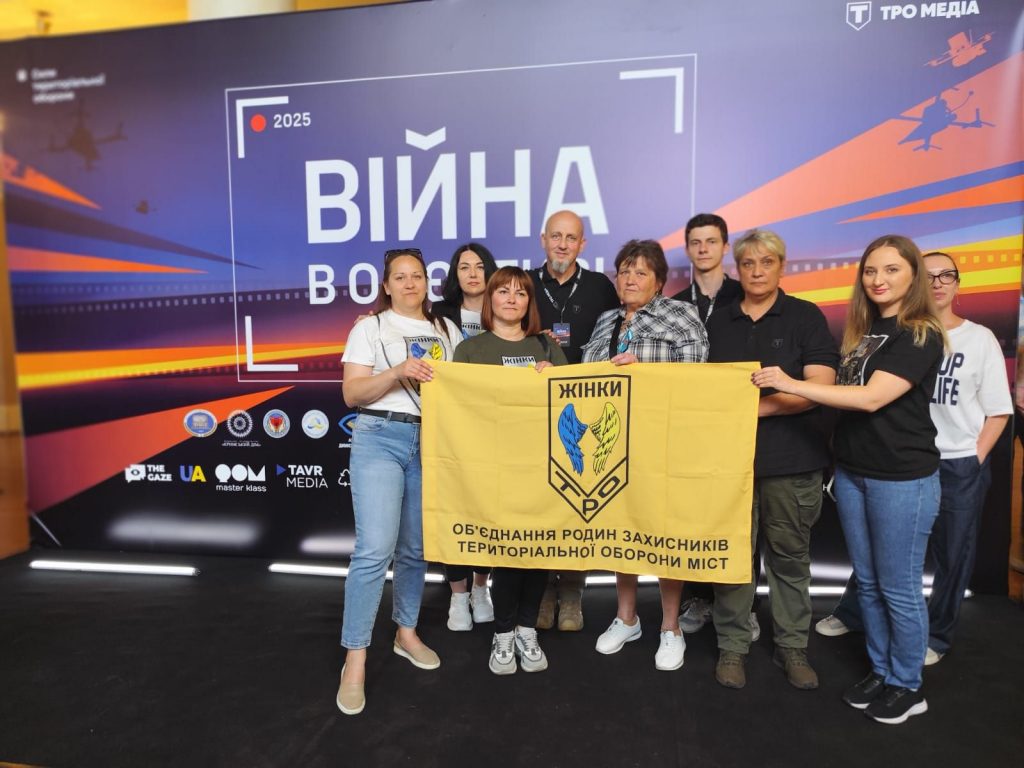
In the Kyiv region, the team from the NGO “Women of TRO” focused on supporting the families of captured and missing defenders—people who are often left alone to cope with pain, uncertainty, and a lack of information. As part of the project, the team was able to strengthen cooperation with local authorities and implement the “Point of Support” initiative, which covered not only Boryspil but also a number of neighboring communities. Families received not only information but also support and a sense of involvement.
“The visibility of the issue at the community level has increased significantly; the voices of families have become louder and more influential; support has emerged from a wider circle of people; the topic is no longer ‘silent’—it has become part of the public dialogue,” notes Olena Skytiuk, chair of the board of the NGO “Women of TRO.”
In the city of Pivdenne, the Mannaz Charitable Foundation focused on the theme of a moment of silence as a symbol of shared memory. The team noted that the problem lay not in indifference, but in a lack of clear communication. As a result, the advocacy and information campaign they developed became systematic: the initiative passed the budget committee, a decision was made to fund public service announcements and retrofit traffic lights, and visual reminders appeared throughout the city, shaping a new behavioral norm. As the team emphasizes, it was this collaboration that allowed the initiative to reach a new level:
“Thanks to this collaboration, the issue ceased to be just an initiative and reached the city level. People began talking more about the minute of silence, businesses are getting involved, and most importantly—there is a response from the authorities.”
In the Sumy region, the NGO “City of the North” transformed the issue of shelters from isolated appeals into a systematic campaign. The team not only highlighted the problem but also worked on solutions. In particular, together with the Youth Council under the Executive Committee, the team is preparing a recommendation letter regarding further inspections of shelters, in which they identify key needs and propose concrete steps. At the same time, the team is promoting the idea of reimagining shelters as living spaces for the community. According to the initiative’s participants, such places can be used not only during times of danger but also for educational or social activities. As noted by Ihor Orlovskyi, head of the NGO “City of the North,” one of the main outcomes has been the initiation of a dialogue within the community:
“War changes approaches and changes people. As an organization, we are trying to influence the situation with the tools we have. And we are already seeing that this topic is beginning to be discussed and is resonating.”
In the city of Pivdenne, the NGO “Yuzhne City Development Agency” is working to launch a school participatory budget—a tool that will allow young people to influence decisions in the community. The team noted that despite the youth’s enthusiasm, the community lacks mechanisms to engage them. According to Illia Yurchenko, the work within the project and collaboration with the media partner has already yielded tangible results. One significant development was a meeting with representatives of two relevant departments. It helped align the parties’ positions regarding the further launch of the school participatory budget and brought the team closer to a practical solution.
“This collaboration is already creating synergy, and we’re seeing the first positive results. I’m referring to the recent meeting with the heads of the two relevant departments, who had some disagreements regarding the project’s implementation. However, during the organized event, we managed to find common ground and reach a mutual compromise, which is currently being finalized.”
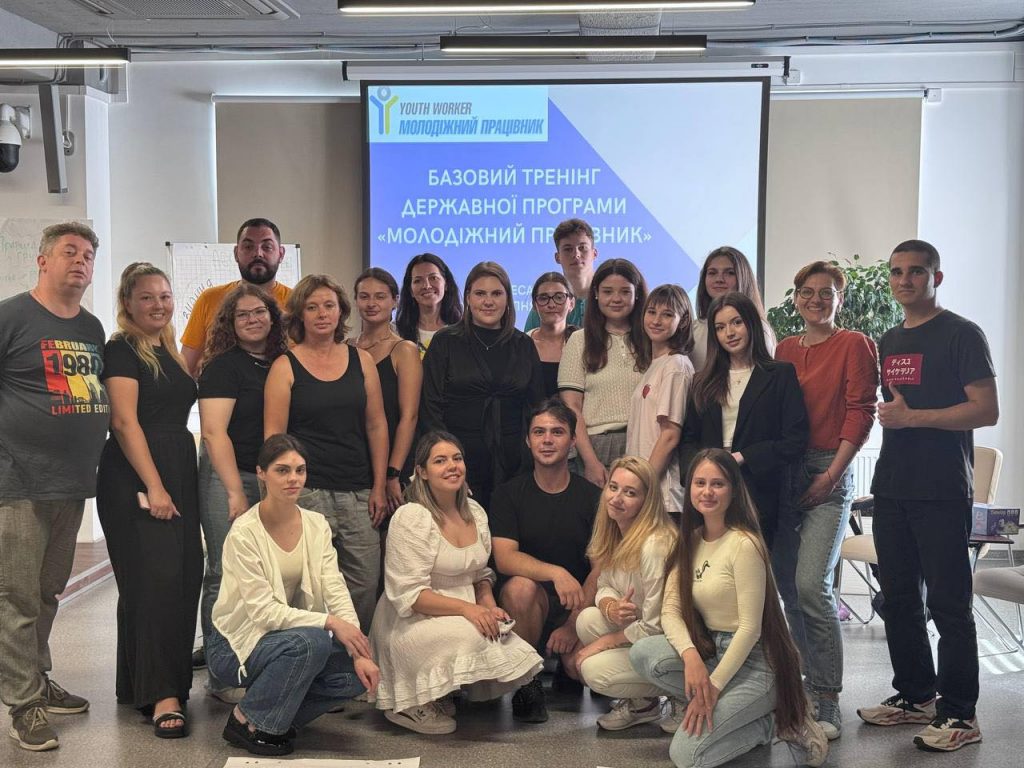
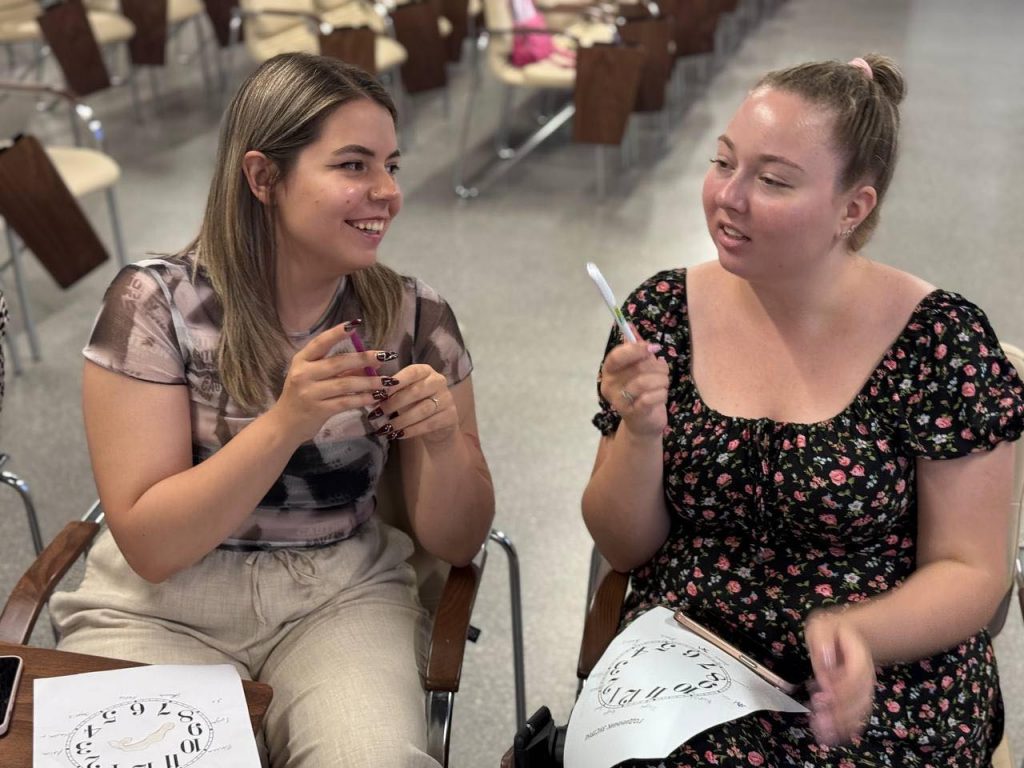
The “Empathy” Charitable Foundation in the Kyiv region has been working on the issue of psychosocial support. Thanks to systematic work and cooperation with the media, this issue has become part of the public agenda. Kateryna Krynchukovska, director of the Empathy Charitable Foundation, says that during the project’s implementation, negotiations were held with local authorities, resulting in an agreement on new premises for the center, and the community has already approved and signed the relevant resolution. As early as May, a new Resilience Center will open in the Voronky community, where people will be able to receive free psychosocial support.
The Role of the Media in Change
In each of these campaigns, collaboration with local media played a key role—specifically, “Community Television” in Pivdenne, and the Boryspil and Telecom-Service TV stations in Shostka. This was not merely informational support, but a collaborative effort on content: people’s stories, explaining problems, and seeking solutions. This approach allowed us to go beyond news reporting and explore topics more deeply—through documentary formats, analysis, and storytelling.
As a result, as representatives of the media partners note, the role of journalism is changing—from merely recording events to participating in shaping public dialogue. The media are becoming an instrument of change, helping to generate demand for solutions within communities.
From a project to a systematic approach
For civil society organizations, participating in the project meant shifting from isolated initiatives to systematic work. They became more visible, gained tools for effective communication, and were able to influence processes in their communities. For the media, it provided an opportunity to produce more in-depth content and strengthen their role in society.
Today, we can speak not only of the results of a single project, but of an approach that the Association continues to develop. The combination of advocacy, communication, and partnerships with the media allows local initiatives to be transformed into tangible changes that people can feel.
The “Turn Up the Volume” project was implemented by the National Media Association as part of the Impulse Project, which is being carried out by the International Renaissance Foundation and the East Europe Foundation with funding from Norway (Norad) and Sweden (Sida). The content of this material does not necessarily reflect the views of the International Renaissance Foundation, the Eastern Europe Foundation, the Government of Norway, or the Government of Sweden.