

Як працює Спільна аграрна політика Європейського Союзу (САП)? Які зміни вона передбачає для України в процесі євроінтеграції? Ну і найголовніше – як це впливатиме на розвиток місцевих громад?
Відповідати на ці питання будемо разом з експертками Інформаційного центру “Зелене досьє”, на третьому вебінарі серії EU Local.Talks.
Експертки вебінару
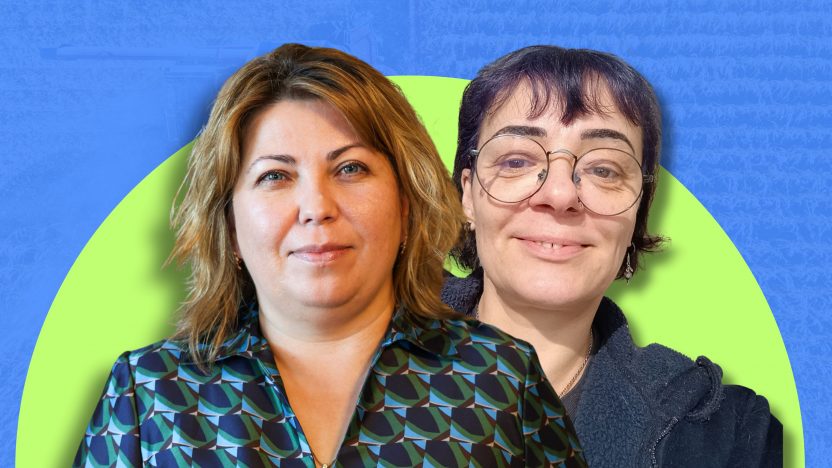
- Катерина Шор – менеджерка Інформаційного центру “Зелене досьє” із 15-ти річним досвідом координації проєктів в аграрній сфері, зокрема, з органічного виробництва.
- Докторка Ольга Ігнатенко – експертка з питань сталого розвитку, сталого споживання та виробництва.
Учасники
Запрошуємо фермерів, представників органів місцевого самоврядування, керівників громад та локальні організації, яким важливо розуміти, як трансформація аграрної політики може позначитися на територіальному розвитку, бюджетних можливостях і місцевій економіці.
Структура вебінару
Вебінар складатиметься з шести тематичних блоків:
- Перший блок – роль Спільної аграрної політики в ЄС. У ньому буде розглянуто історію формування САП, її місце в бюджетній та інституційній архітектурі Європейського Союзу, а також еволюцію цілей – від забезпечення продовольчої безпеки до інструмента досягнення цілей екологічної та кліматичної политик ЄС а також візії довгострокової розвитку агросектору та сільських територий ЄС.
- Другий блок – поточна модель САП 2023–2027 років. Учасникам буде пояснено, як працює система національних стратегічних планів і на основі чого вони формуються та коригуються, яка підтримка надається агровиробникам та які екологічні та соціальні вимоги ставляться до отримувачів підтримки. У цьому ж блоці буде розглянуто інструменти розвитку сільських територій закладені в рамках поточної САП, зокрема підтримку місцевих стратегій, кооперації, переробки та малих виробників.
- Третій блок – дискусії щодо САП після 2027 року. Йтиметься про основні напрями реформування, які наразі вже обговорюються на рівні ЄС: посилення кліматичної складової, спрощення адміністративного навантаження для малих фермерів, розвиток інновацій та цифровізації, удосконалення інструментів управління ризиками та розширення територіального підходу. Цей блок дозволить учасникам зрозуміти, у якому напрямі буде розвиватися політика в середньостроковій перспективі.
- Четвертий блок – розвиток сільських територій і можливості для громад. Буде показано, як САП поєднує підтримку виробництва з підтримкою місцевого розвитку, які інструменти можуть застосовуватися для розвитку інфраструктури, локальної переробки, коротких ланцюгів постачання, зеленої інфраструктури та гірських територій. Особлива увага приділятиметься тому, які елементи цієї моделі можуть бути релевантними для українських громад.
- П’ятий блок – прямі вигоди для жителів громад. Йтиметься про те, як аграрна політика впливає не лише на фермерів, а й на якість і безпечність та доступність харчових продуктів, стан довкілля, зайнятість у регіонах та стабільність місцевої економіки.
- Шостий, завершальний блок – участь громад у формуванні аграрної політики. У ньому буде розглянуто, як у ЄС відбувається стратегічне планування в межах САП, яким чином громади та громадські організації можуть бути залучені до консультацій і розробки національних пріоритетів, а також чому активна позиція місцевого рівня є важливою для формування української моделі аграрної політики в контексті інтеграції до ЄС.
Формат і час
Вебінар пройде 25 березня на платформі ZOOM і поєднуватиме аналітичний огляд із практичним фокусом на потребах громад, а усі учасники зможуть поставити свої запитання експерткам. Початок о 14:00, а реєстрація обовʼязкова за посиланням: https://forms.gle/xonB1xQXbrzw9grg6
Дедлайн реєстрації – 24 березня включно.
Хто такі Інформаційний центр “Зелене досьє”
Організація, яка вже 32 роки сприяє поширенню принципів сталого розвитку в суспільстві, інтеграції їх до національної політики та урядових програм через розповсюдження об’єктивної інформації екологічного та соціального спрямування до ЗМІ, місцевих громад, влади та бізнесу, залучаючи їх таким чином до практичних дій.
«Зелене досьє» допомагає у відродженні культурних традицій та екологічно дружнього господарювання (зокрема, органічного виробництва), що безпосередньо пов’язано зі збереженням природи; демонструє необхідність бачити довготривалі перспективи розвитку економіки, а не лише задовольняти термінові потреби.
В результаті розвитку більш стабільної економіки люди мають можливість досягти більшого з меншими затратами, раціональніше використовувати ресурси, залучати інвестиції, підтримувати стабільність і конкурентоспроможність, вдосконалювати навички та корисну діяльність.
***
Вебінари серії EU local Talks відбуваються у співпраці з Європейським Союзом у межах проєкту «Вступаємо у ЄС разом: посилення ролі громадянського суспільства у вступі України до ЄС», який реалізує Міжнародний фонд «Відродження».


