

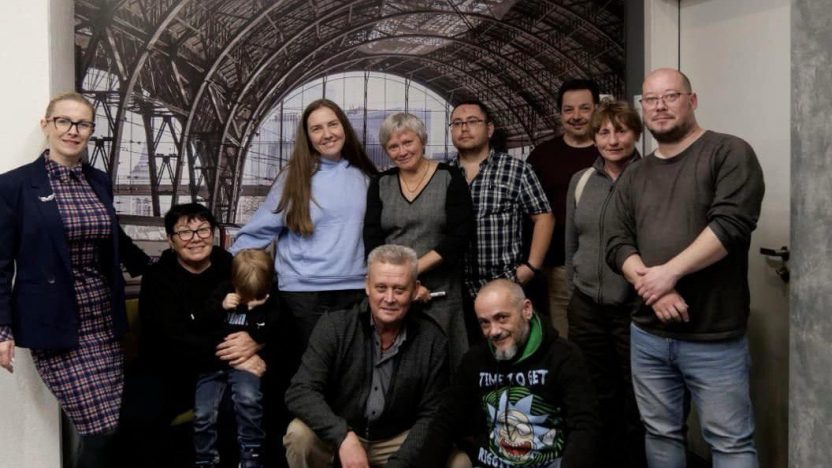
Civil society organizations from Eastern Ukraine continue proving that true resilience is reflected in people and in their ability to stay connected, support one another, and keep developing even when circumstances change dramatically. Some continue working in their hometowns near the front line, while others have relocated and now operate in different regions of the country without losing their roots. Within The Impulse Project: Empowering Civil Society for Ukraine’s Resilience and Recovery, the team of the NGO “Access Points” spoke with these organizations to share stories about their resilience, meaningful work, people, and experiences that inspire others to keep moving forward.
“All Will Be Well”: Supporting Children and Families Near the Front Line
In Kramatorsk, almost on the front line, a resilient team continues its work, demonstrating a true synergy of civil society efforts. Having transformed its activities to respond to wartime realities near the front line, the charitable organization Charitable Foundation “All Will Be Well – Ukraine” now creates child-friendly spaces and supports families who remain in frontline communities. Its main areas of work are shaped by the realities of war and focus on providing psycho-emotional support to children and families through educational activities. The organization’s locations operate in Kramatorsk, Lozova, Pavlohrad, and Balakliia, while mobile teams travel to places where support is needed most.
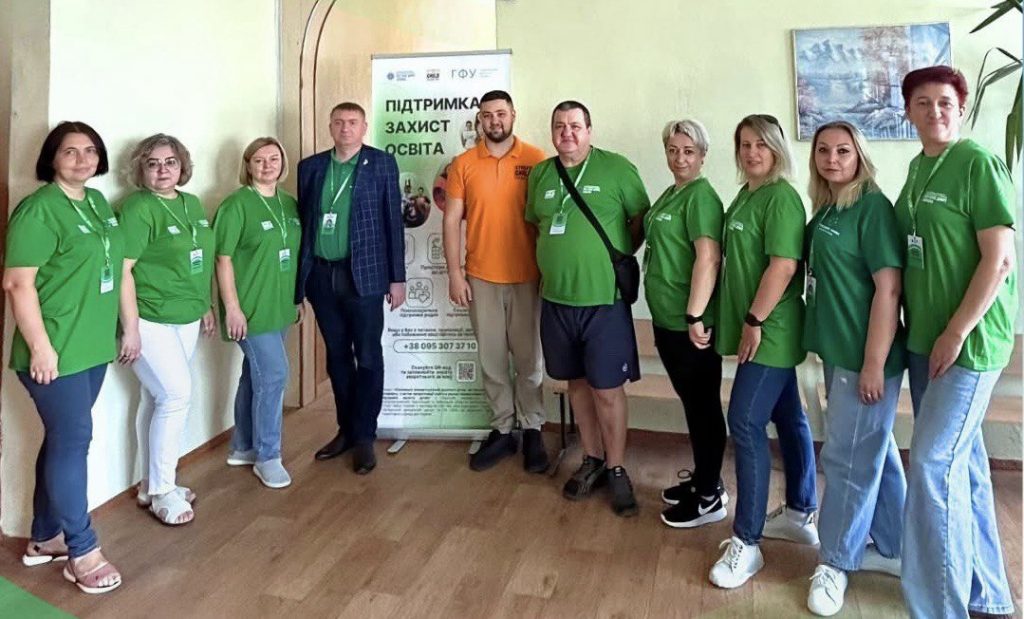
As Oleksandr Ivanov, Regional Project Coordinator, explains, the team currently working in frontline communities began forming in 2022 from volunteers who simply wanted to support their community. At first, without any formal status, they helped children, neighbors, and elderly people. Over time, the initiative evolved into professional work: today, it is a close-knit team of specialists who continue operating even under difficult conditions and choose to remain at home, alongside the people they support.
The organization’s working model is flexible and strongly focused on safety. In places where large public events are impossible, teams switch to individual formats, visiting families directly so that children can continue learning, playing, and feeling cared for. The team actively communicates community needs and cooperates with local authorities, helping to find practical solutions while emphasizing the importance of not losing the ability to act.
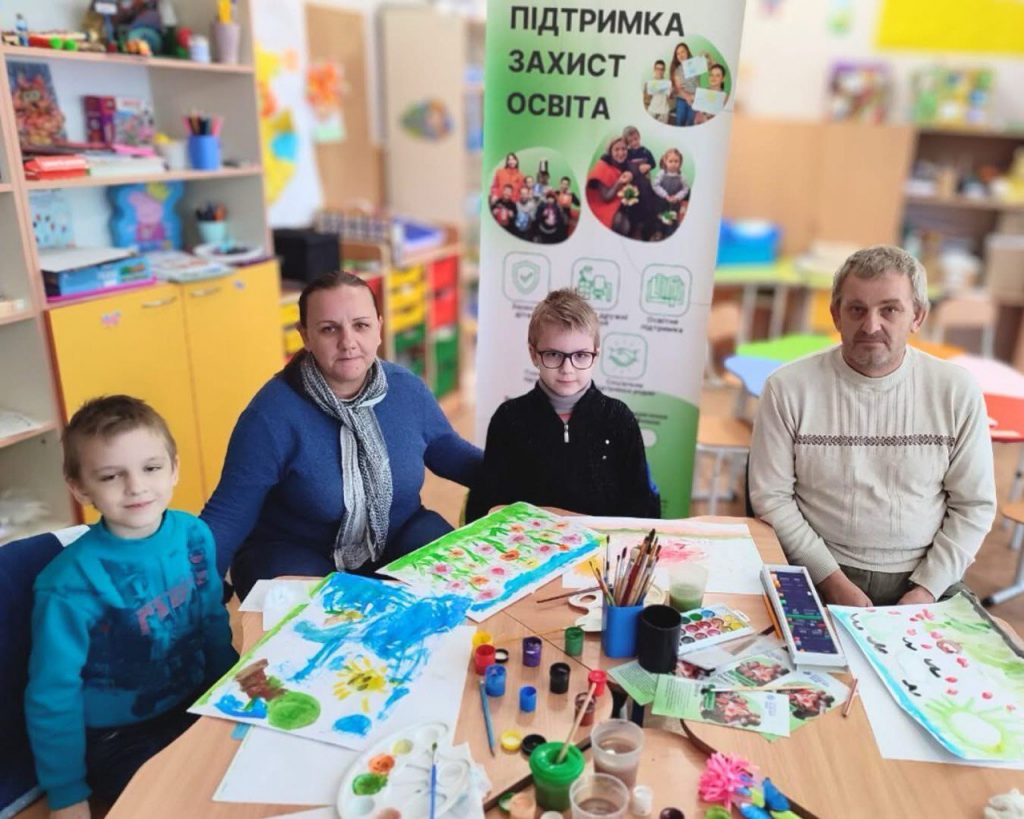
Local initiatives, Oleksandr Ivanov notes, remain critically important. At the same time, Donetsk region is unfortunately gradually disappearing from the focus of international donors. The team’s vision for the future is to remain in their hometown, continue developing youth and volunteer movements, and help people take responsibility for their own lives. In the long term, they also hope to return to the organization’s original mission — implementing environmental initiatives — because restoring nature is an essential part of restoring life itself.
Sloviansk Cultural Center “Zadzerkallia”: From Relocation to a National Platform
The Sloviansk Cultural Center “Zadzerkallia” is an example of resilience and growth even under conditions of displacement. When the full-scale war forced the team to leave Sloviansk in 2022, they did not stop their work but instead resumed it in Kropyvnytskyi. While formally maintaining its legal address in Donetsk region, the organization established two operational offices — one in Sloviansk and the other in Kropyvnytskyi — and later gradually expanded its activities to other regions of Ukraine.
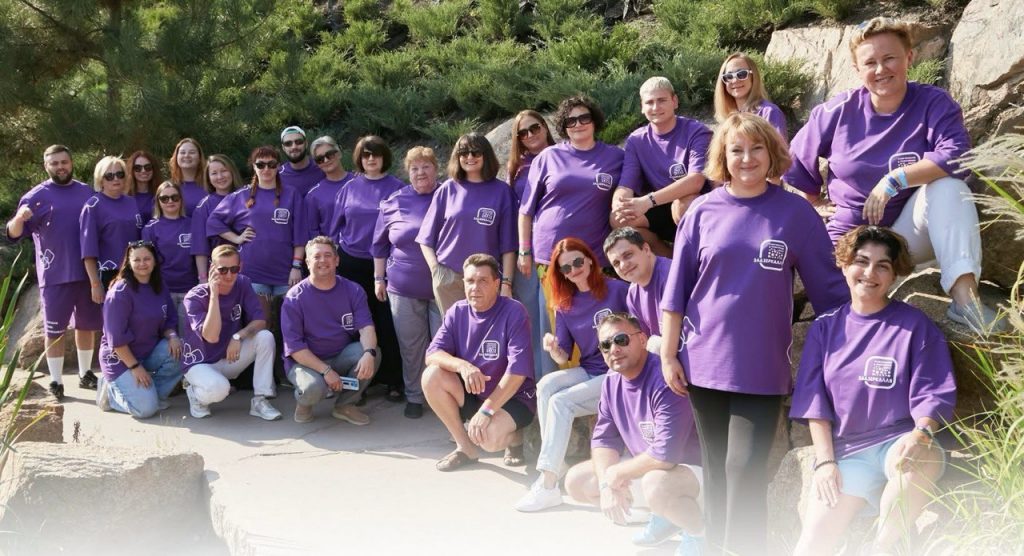
Within a year, the team was already operating in 12 regions of Ukraine. They implemented partnership projects with international organizations, including UNICEF, focusing on support for children and youth. The team’s primary focus extends beyond humanitarian assistance to long-term development: creating educational and cultural spaces, supporting parent communities, and developing new approaches to social and emotional learning.
After relocating, the team brought together people from different cities — displaced residents from Sloviansk, Kostiantynivka, Bakhmut, and Mariupol, alongside local residents of Kirovohrad region. Together, they created the NGO SHELTER platform, which helps other relocated organizations navigate periods of uncertainty, build sustainable internal processes, and develop long-term strategies.

A separate area of work is the culture of recovery: the platform brings together cultural institutions from the Sloviansk area and helps preserve the cultural identity of people who were forced to leave their homes. Today, “Zadzerkallia” has signed more than 100 memorandums of cooperation with communities across nine regions of Ukraine. Its key areas of work include cultural development, youth support, education, and strengthening civil society institutions.
Oleksandr Kashlakov, Head of the NGO “Sloviansk Cultural Center ‘Zadzerkallia,’” explains:
“Our goal is for communities to understand through their own experience what social preparedness means — to live in balance, where those who need support receive it, while those who are able to contribute to the community have opportunities to realize themselves. That is, in a way, our philosophical message.”
“Sieverskyi Donets Crisis Media Center”: Information, Research, and Support
Before 2022, the organization operated in Luhansk region, in Sievierodonetsk, focusing on media, civil society development, and strengthening local democracy. The war forced the team to leave Luhansk region and continue working in relocation.
During the first year of the full-scale invasion, the organization shifted its main focus toward humanitarian initiatives: delivering medicines, food, hygiene products, and other assistance to people who remained in liberated and dangerous territories. Gradually, the team restored its traditional areas of work by opening a hub for internally displaced people and relocated civil society organizations in Zakarpattia region. At the same time, they continued their media activities, launched online discussions, and conducted research on the work of civil society institutions and the needs of internally displaced people.
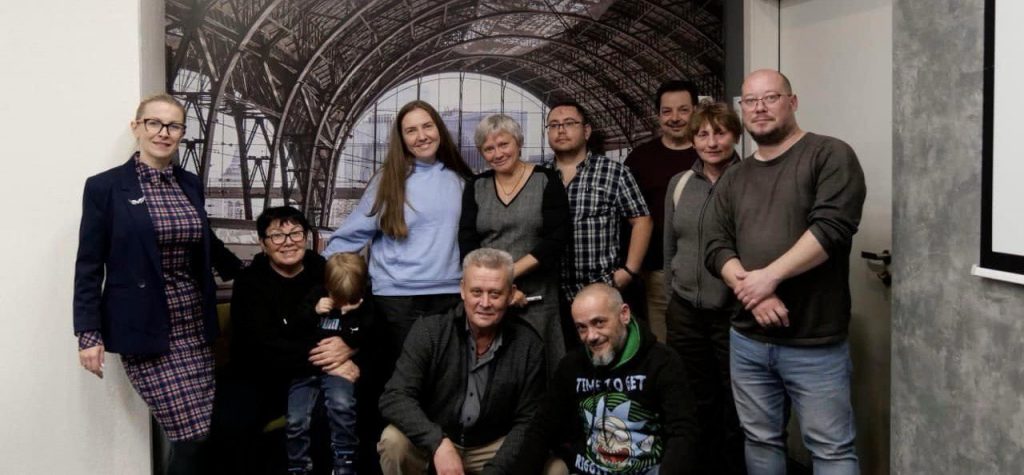
As Olena Nizhelska, Head of the organization, explains, one of the key factors behind the team’s continued activity has been a strong sense of unity and mutual support within the organization itself. They cooperate with military administrations and other civil society organizations, coordinating initiatives for everyone who continues to identify with Luhansk region.
Among the most pressing challenges today are securing physical working space and financial resources, preserving the professional team, and maintaining stable operations. At the same time, the organization’s priorities include developing media and research projects, participating in national-level advisory bodies, and preparing recommendations for state programs. The “Sieverskyi Donets Crisis Media Center” demonstrates that even during relocation and crisis, a team can remain united, influential, and capable of shaping solutions that genuinely help people.
The stories of these organizations prove that even in the most difficult times, it is possible to remain active, continue growing, and transform the environment around you. Their strength lies in people who refuse to stop, in flexible approaches, and in a sincere determination to do more. They create spaces for life, culture, and development, proving that real change begins with those who act — collectively, consistently, and with faith in Ukraine’s future.
This material was prepared by the NGO “Access Point” within The Impulse Project, implemented by the International Renaissance Foundation and East Europe Foundation with funding from Norway (Norad) and Sweden (Sida). The content of this material does not necessarily reflect the position of the International Renaissance Foundation, East Europe Foundation, the Government of Norway, or the Government of Sweden.

