What is helping Luhansk Oblast with relocation: resilience, consolidation, and recovery
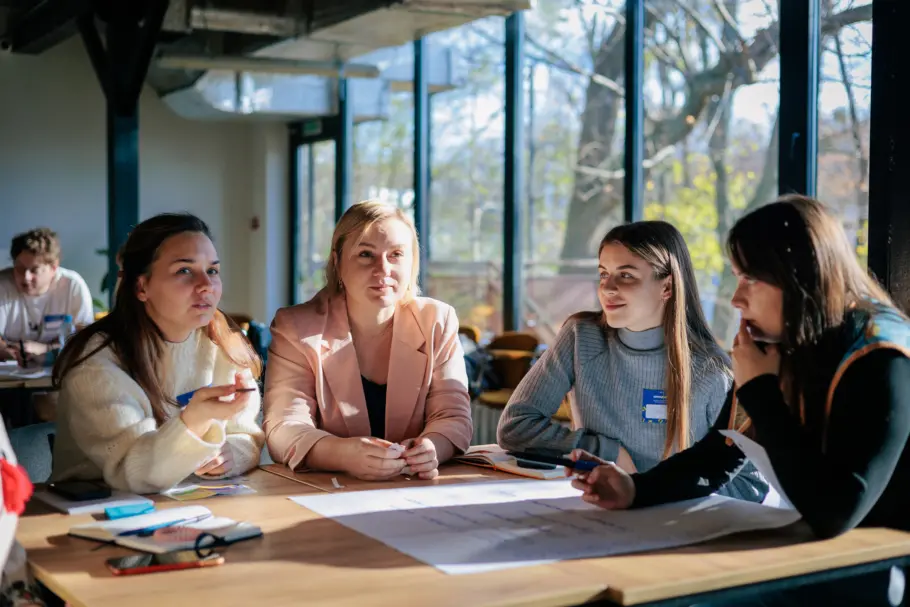
This year, the International Renaissance Foundation introduced a new format for its regional Resilience Conferences. One such conference, titled “What Helps Luhansk Region in Relocation: Resilience, Consolidation, and Recovery,” took place on December 16, 2025, in Kyiv. The event was organized by the NGO “Luhansk Region Civic Initiative” in partnership with the Luhansk Regional State Administration as part of the project “Empowering an active community of people from the Luhansk region to respond to current challenges and represent their interests now,” which is part of the “Impulse” project.
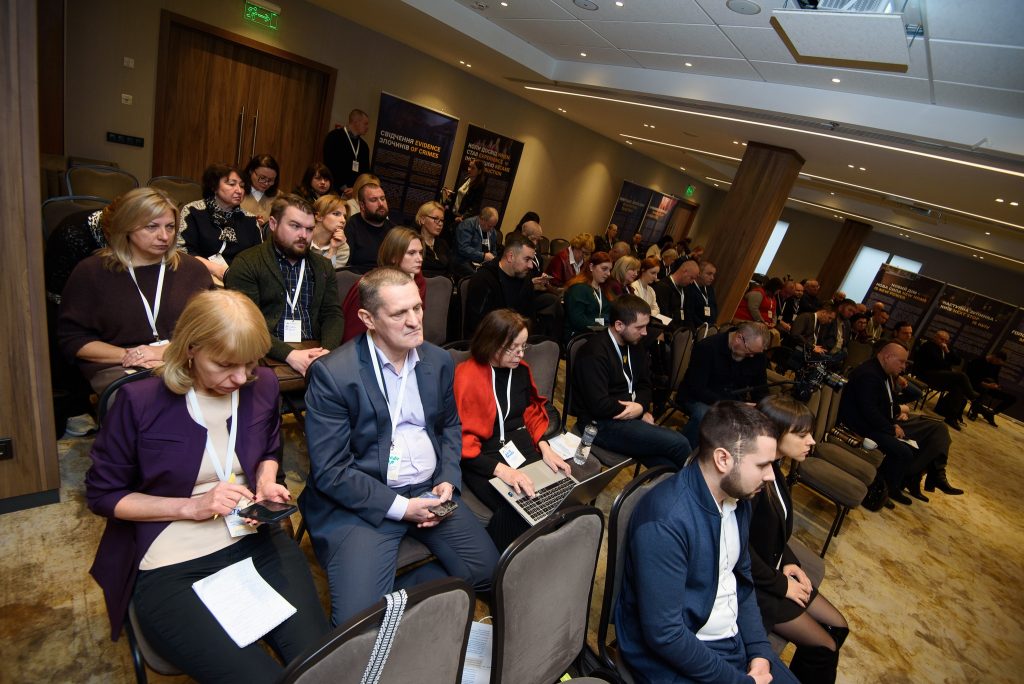
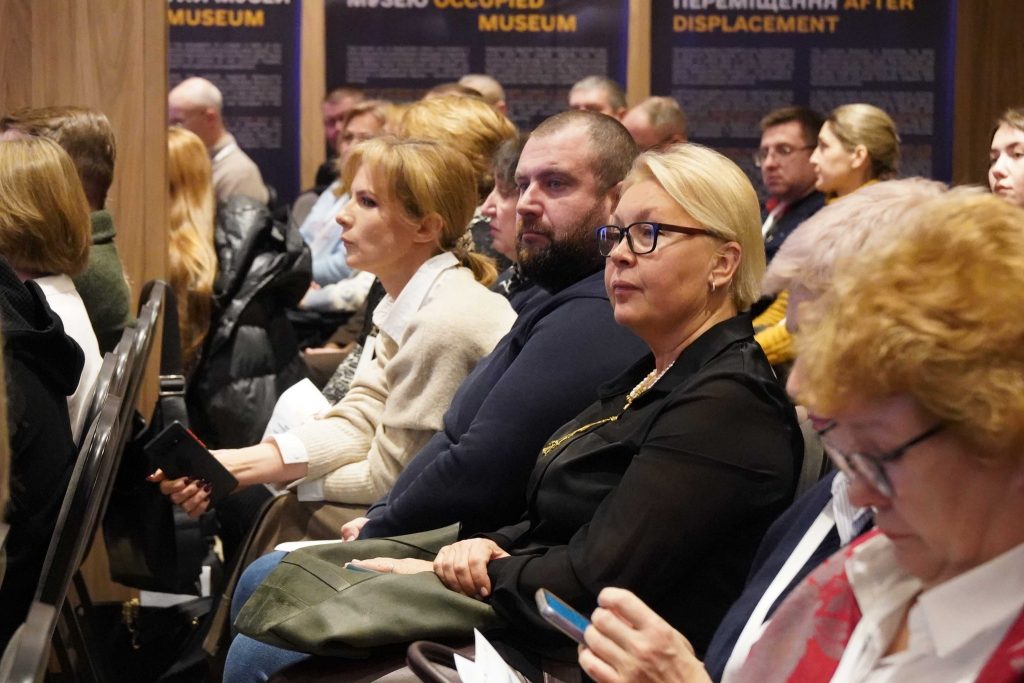
The conference brought together representatives of government agencies, civil society, the expert community, and educational and scientific institutions. The event served as a platform for professional discussion of current challenges and prospects for the development of communities in the Luhansk region amid war, forced relocation, and future post-war recovery.
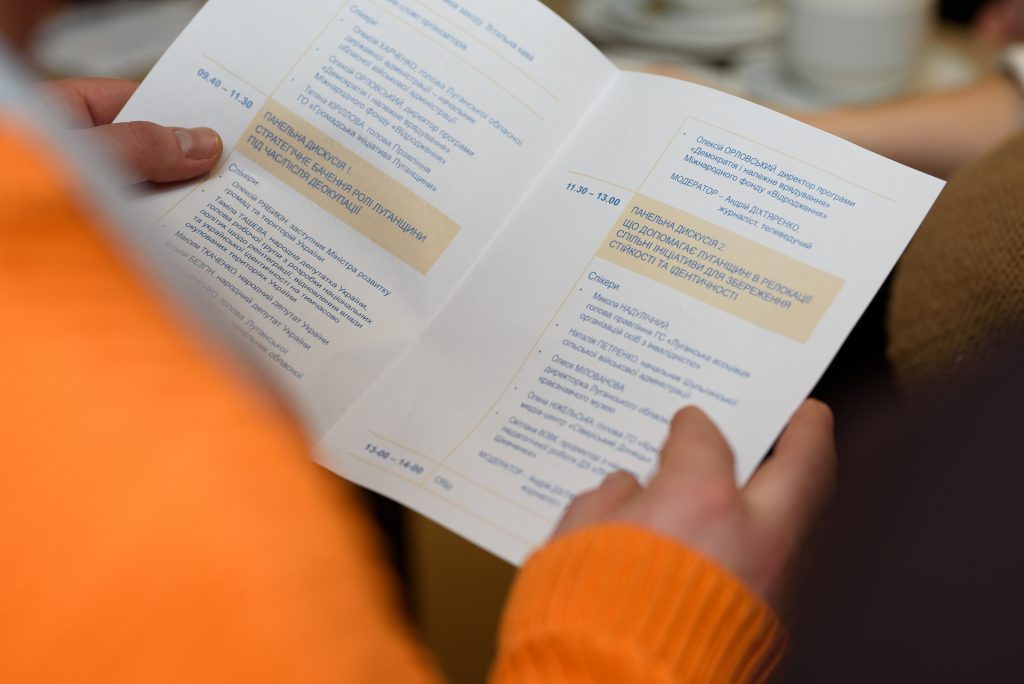
The conference program included three panel discussions, each dedicated to a separate yet interrelated aspect of the issues facing the Luhansk region.
Key topics for the speakers on the first panel included: discussing a strategic vision for the role and place of the Luhansk region in national policy, and ensuring the sustainability of its operations and public administration. Answers were sought together with Oleksiy Kharchenko, Head of the Luhansk Regional State Administration; Tamila Tasheva and Vitaliy Bezgin, Members of the Ukrainian Parliament; and Oleksiy Orlovsky, Director of the “Democracy and Good Governance” Program at the International Renaissance Foundation.
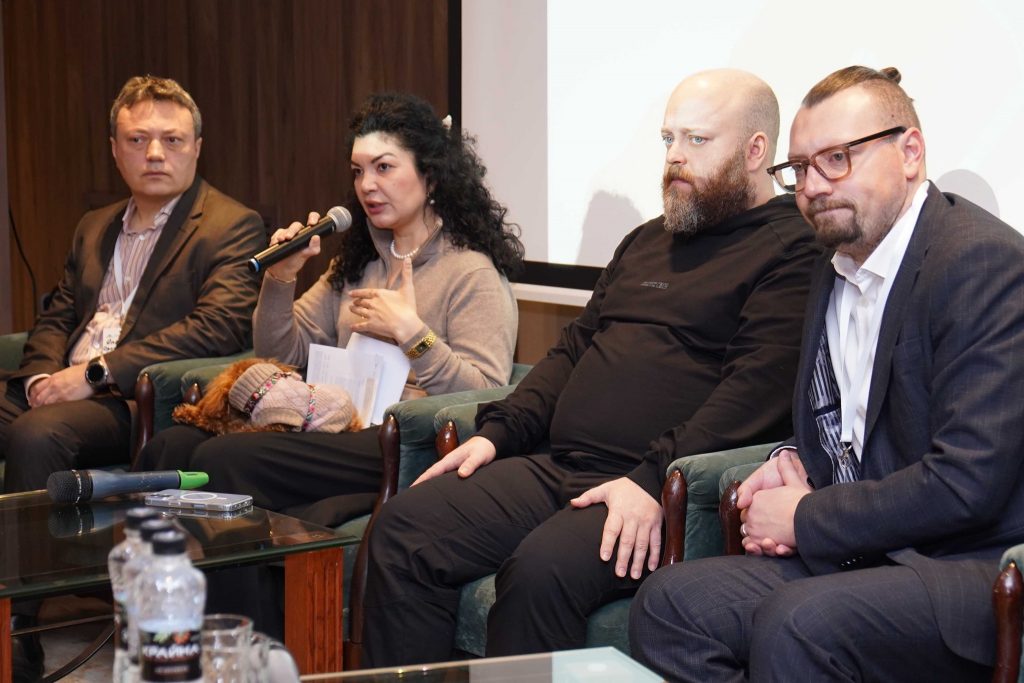
Oleksii Kharchenko’s presentation focused on the issue of administrative and communication uncertainty in the temporarily occupied territories: “In fact, every day we are forced to fight for clarity—in terms of authority, roles, and understanding where and how we can be of use. This is not an easy process. It takes place at various levels—in communication with members of parliament, with central executive authorities, and with partners.” According to him, the region is regularly involved in coordination meetings regarding frontline territories. At the same time, the problems of such regions differ significantly, and the voices of individual regions are often lost in the general agenda. Yet, in essence, there is no permanent, systematic platform where these issues could be discussed professionally and regularly.
Oleksiy Orlovsky, Director of the “Democracy and Good Governance” Program at the International Renaissance Foundation, continued the discussion on institutional capacity. He highlighted the lack of systematic and in-depth analysis of regional transformations and emphasized the need to develop solutions capable of functioning under various scenarios of events. Special attention was given to the work on a model for the functioning of public authorities in temporarily occupied territories, as well as to the update of legislation on military-civilian administrations, which is intended to serve as the basis for governance during the transitional period following de-occupation.
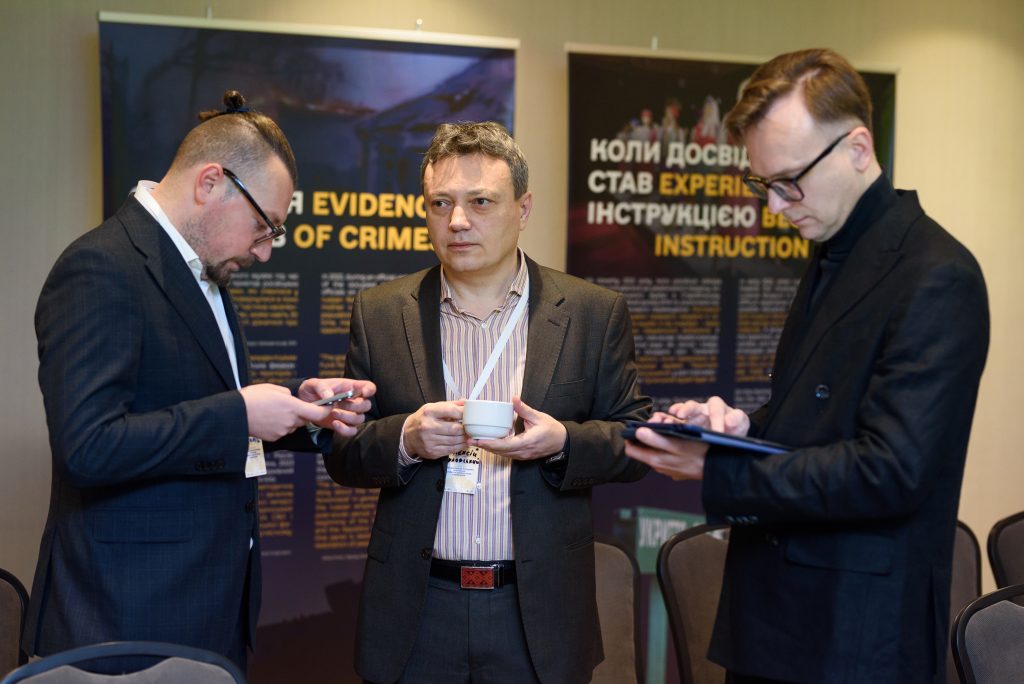
Tamila Tasheva emphasized that the displaced communities of Luhansk Oblast should be viewed not merely as recipients of aid, but as bearers of institutional memory and the foundation for recovery following de-occupation. Preserving their capacity during relocation is critical to restoring normal life in Ukraine. She also spoke about the work of the Working Group on the Formation of State Policy Regarding the Temporarily Occupied Territories (TOT), specifically regarding the meeting of the Luhansk region subgroup: “Reintegration,” Tasheva noted, “cannot be postponed: decisions must be prepared now so that the state is ready not only to reclaim the territories but also to bring back the people and Ukrainian life.”
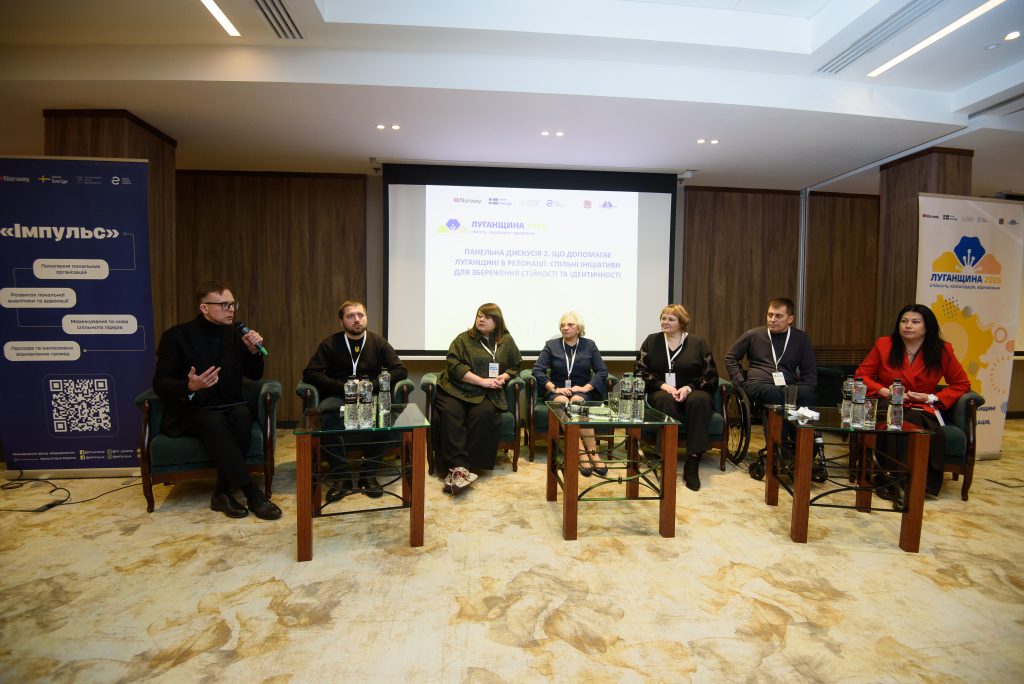
The second panel was dedicated to the practical aspects of resettlement and initiatives to preserve social ties, cultural memory, and the identity of people from Luhansk Oblast. Participants included representatives of civil society organizations, local government, education, and culture: Mykola Nadulichny, Nataliia Petrenko, Olena Nizhelska, Olesia Milovanova, and Svitlana Vovk.
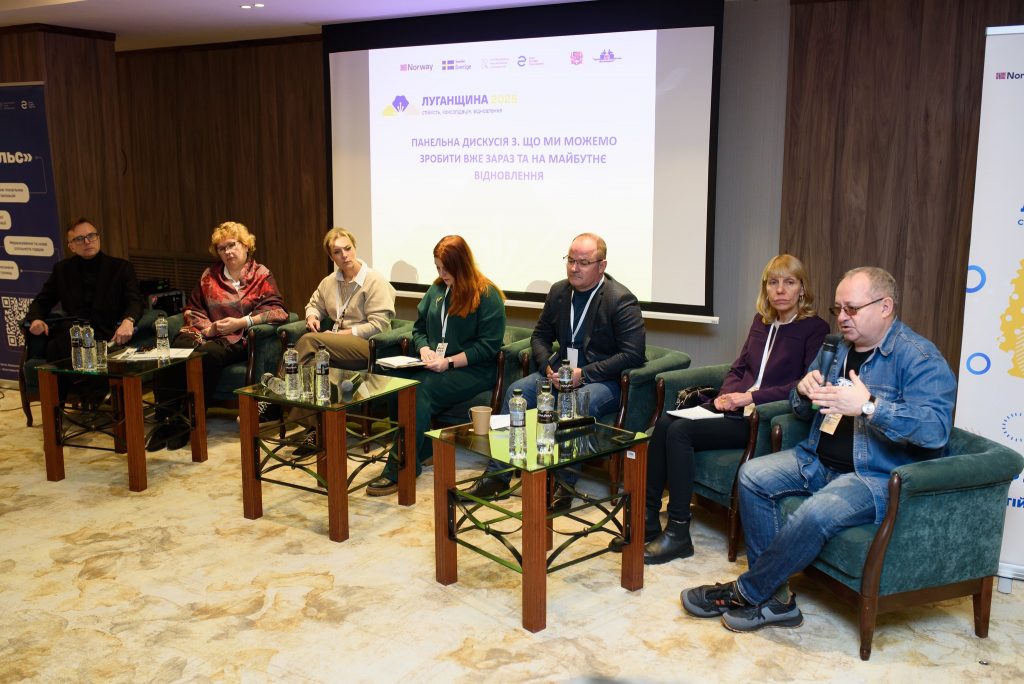
The third panel focused on specific solutions and steps relevant both today and during the post-war recovery period, with an emphasis on economic, social, humanitarian, and educational initiatives, as well as the coordination of efforts among government, civil society, and academic institutions. Inna Zablodska, Andriy Simonov, Oleksandr Kapitoneko, Yulia Ryabukha, and Yevheniia Boiko shared their proposals.
Participants discussed relocation, resilience, and the preservation of identity, as well as joint initiatives emerging among people.
Natalia Petrenko, head of the Shulhynska Rural Military Administration: “Today, the view that the state’s position on the occupied territories has not yet been fully formed was expressed very honestly. There are individual decisions, there are strong people, there are the right words. But there is no comprehensive framework. And without it, it is difficult for people not to lose faith.”
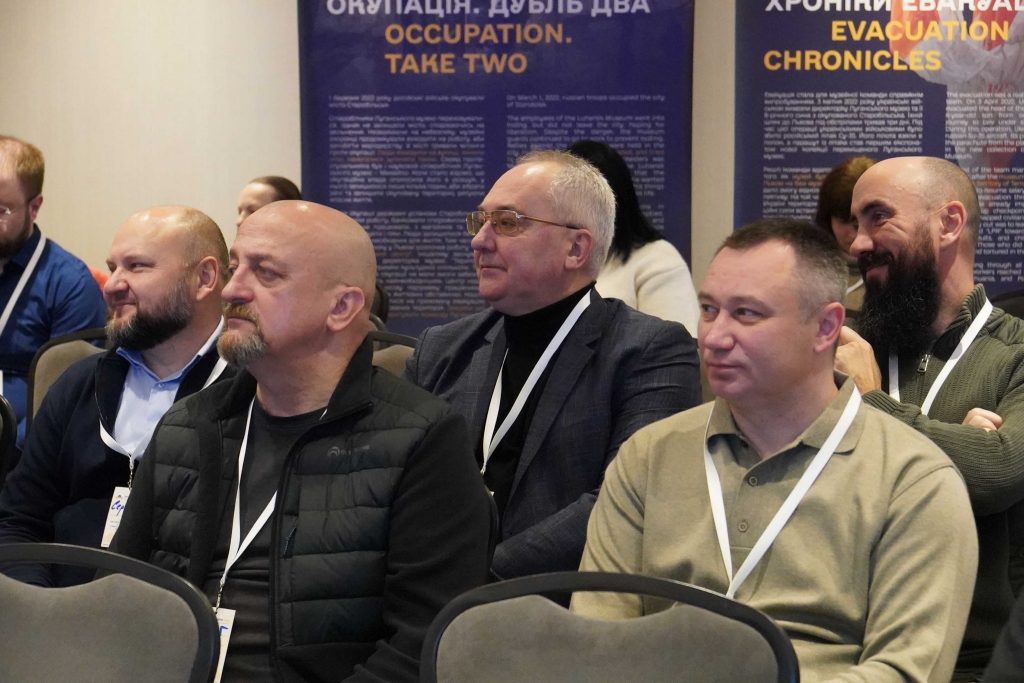
Svitlana Vovk emphasized the role of Taras Shevchenko Luhansk National University as a key educational center that, despite having been relocated, continues to provide quality education, support students from the Luhansk region, and train specialists for the region’s future reconstruction, thereby preserving the region’s human capital.
Olesya Milovanova, Director of the Luhansk Regional Museum of Local History, described how the institution—forced to leave its home for the second time in ten years—continues to operate, conduct research, and dream of returning to the Luhansk region: “The Luhansk region is not about walls; it’s about people. A museum is not about objects; it’s about memory!”
Discussions also covered the challenges of defining a clear state model for managing communities in Luhansk Oblast; reviewing and defining clear roles for government bodies that align with current conditions; creating new formats or platforms for collaboration; engaging the public; and establishing conditions and incentive programs for relocated businesses and IDPs.
Overall, the position articulated at the Conference opens up a broader professional discussion at all levels.
The event was organized with the support of the International Renaissance Foundation as part of the Impulse Project, which is implemented with funding from Norway (Norad) and Sweden (Sida), in partnership with the Eastern Europe Foundation. The content of this material does not necessarily reflect the views of the International Renaissance Foundation, the Eastern Europe Foundation, the Government of Norway, or the Government of Sweden.