


How should communities address their challenges? Option A: Wait for someone else to solve them for you. Option B: Take action. Grantees of the Impulse Project chose the second option. During the war, they are working in Zaporizhzhia, Donetsk, Dnipropetrovsk, Cherkasy, Sumy, and other war-affected regions, launching solutions for community resilience and recovery. They presented their work at the Resilience Case Studies panel during the 14th Civil Society Forum.
The event took place as part of the Impulse Project, implemented by the International Renaissance Foundation and the Eastern Europe Foundation with support from Norway and Sweden. Today, the project brings together over 100 organizations from 15 regions of Ukraine, and this network continues to grow. During the panel, some of the project’s institutional grantees shared their experiences with recovery.
These cases can serve as a guide for communities seeking partners and practical solutions to similar challenges.
Ecosense NGO
Issue: Environmental Safety
Frontline communities in Zaporizhzhia Oblast are facing simultaneous environmental and social challenges. Risks associated with the occupation of the Zaporizhzhia Nuclear Power Plant, threats to radiation safety, deteriorating access to water, and the degradation of natural resources. At the same time, communities face high levels of stress, a breakdown of social ties, and a lack of tools to participate in recovery efforts.
Against this backdrop, the region lacked systematic efforts that would combine environmental safety, ecological restoration, public engagement in decision-making, and coordination among government, the civil society sector, and community residents.
Solution
The civil society organization Ecosense operates on several levels: from analytics and research to practical actions in communities. The organization collects and analyzes data on the state of the environment and restoration processes, particularly through the Vidnova.Info resource, and transforms this data into recommendations, strategies, and practical materials used by communities and local governments.
At the same time, the team works in the field: conducting educational events, restoring small rivers, planting vegetation, and launching joint initiatives with residents. Additionally, Ecosense helps people combat stress through environmental stewardship.
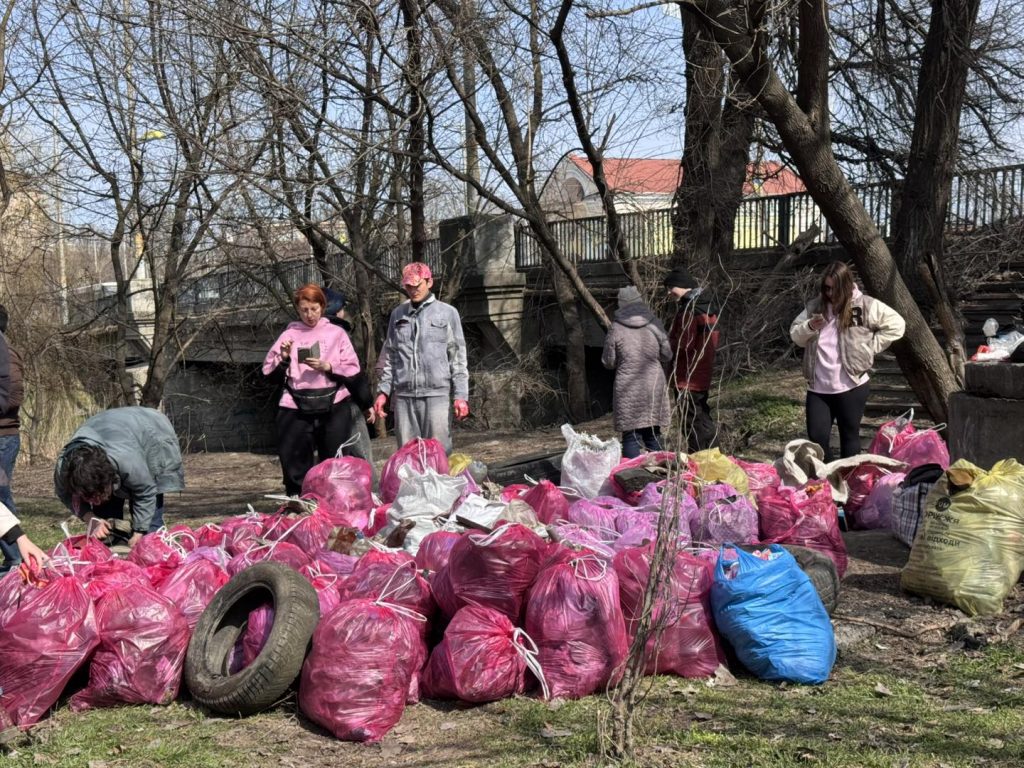
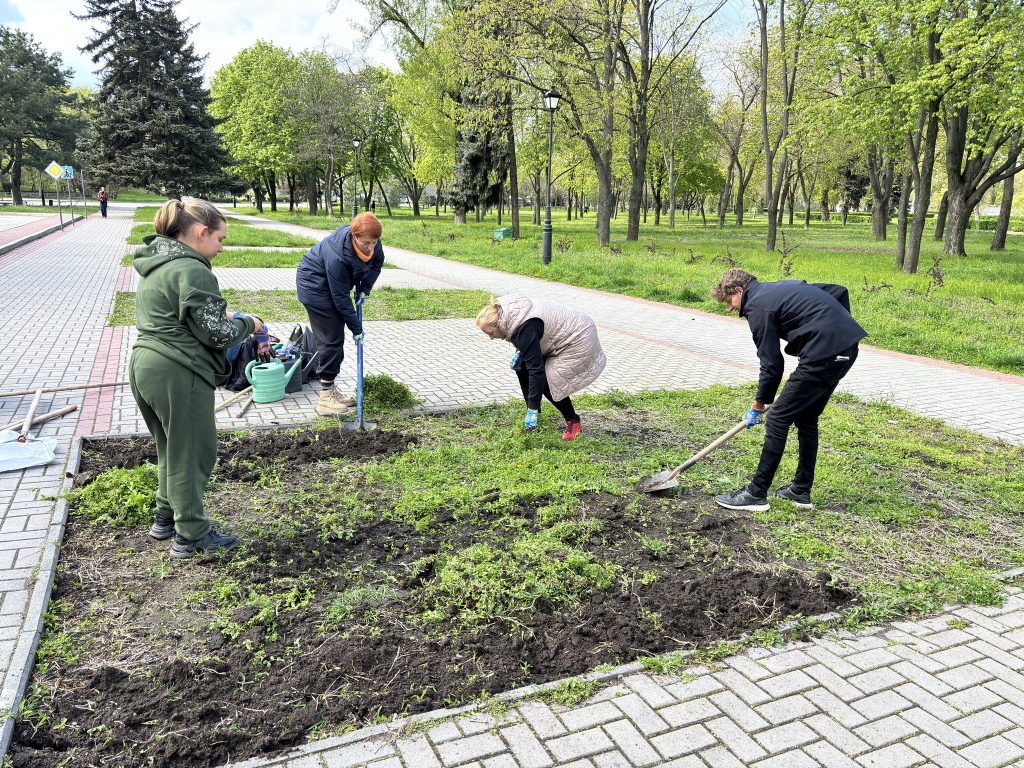
To coordinate efforts, the organization initiated the creation of the Zaporizhzhia Recovery Council, a platform where civil society organizations, experts, and local authorities collaborate. In addition, the team engages residents in decision-making through surveys, focus groups, and training on participatory tools, and creates spaces for dialogue between the community and the authorities.
This approach allows for the integration of environmental solutions, public participation, and cross-sectoral cooperation into a unified system for community recovery.
- Read the case study:
A dandelion sprouting through the asphalt. How Ecosense brings together and revitalizes communities in Zaporizhzhia through environmental stewardship
How the Impulse Project helps
Institutional support from the Impulse Project enables Ecosense to strengthen its analytical capabilities, expand cooperation with communities and local authorities, and more actively influence decision-making at the regional and national levels. The team remains focused on the environment, climate, and green recovery, while scaling up its work. This means more opportunities to turn expertise into concrete solutions and engage people in the rebuilding process.
“Persona” Center for Innovative Development
Issue: Weak Social Ties
The Pavlohrad community in Dnipropetrovsk Oblast has undergone drastic changes since the outbreak of full-scale war: the city has taken in over 20,000 internally displaced persons, the strain on social infrastructure has increased, and the sense of instability has intensified due to regular shelling. Under these conditions, adults and children lacked a safe shared space where they could interact, build community, receive support, and engage in community life.
A particular challenge has been the lack of established connections between different groups: local residents, IDPs, civil society organizations, and the government. Without an environment for interaction and trust, it is difficult to build long-term solutions and launch joint initiatives.
Solution
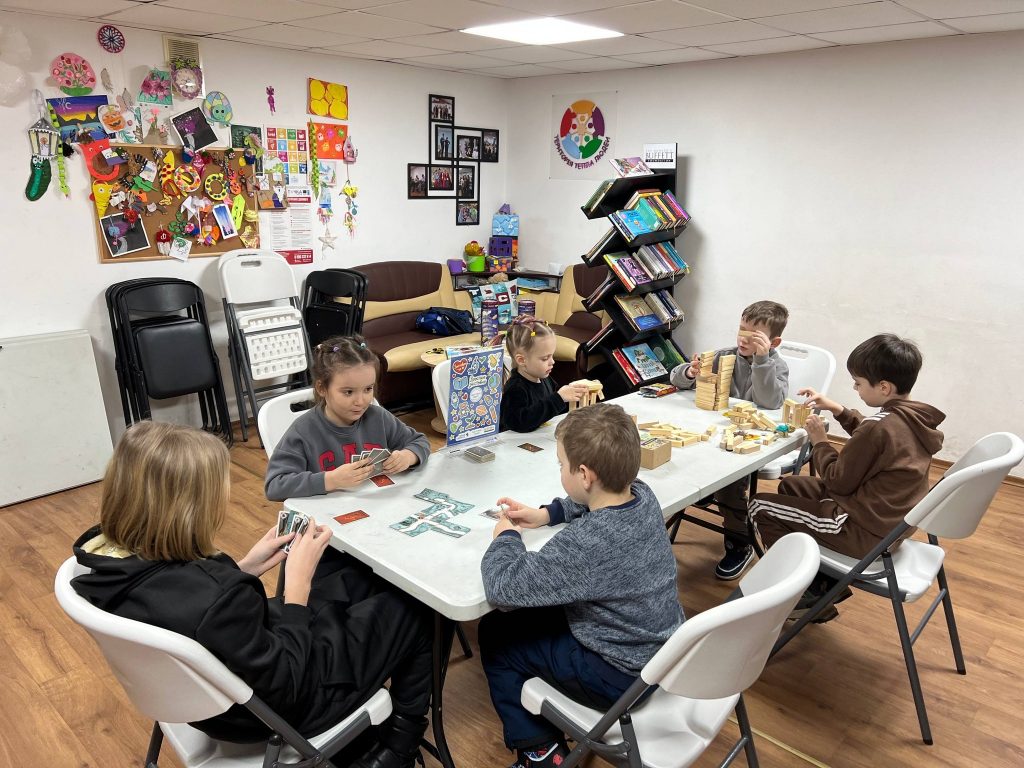
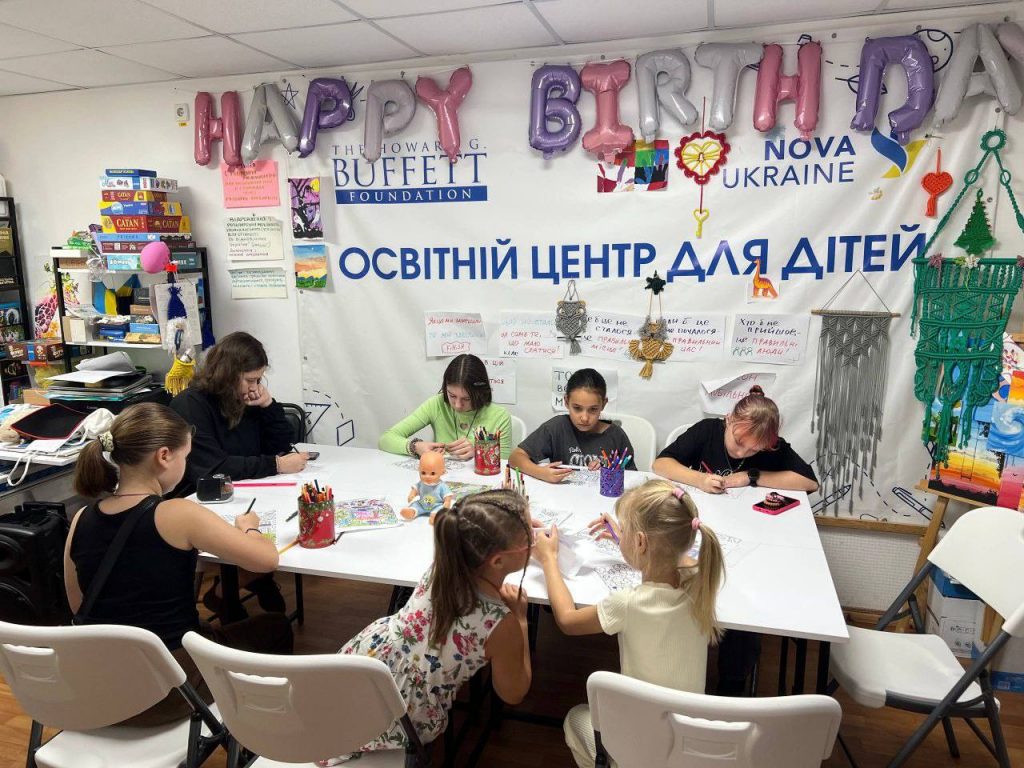
The “Persona” Center for Innovative Development responded to this need by creating an integration space that has become a gathering point for the community and has evolved into its own ecosystem. It hosts educational, cultural, and psychological events and houses a volunteer hub, the Zmistovno educational center, a psychological and social center, youth clubs, as well as a library and museum evacuated from Avdiivka.
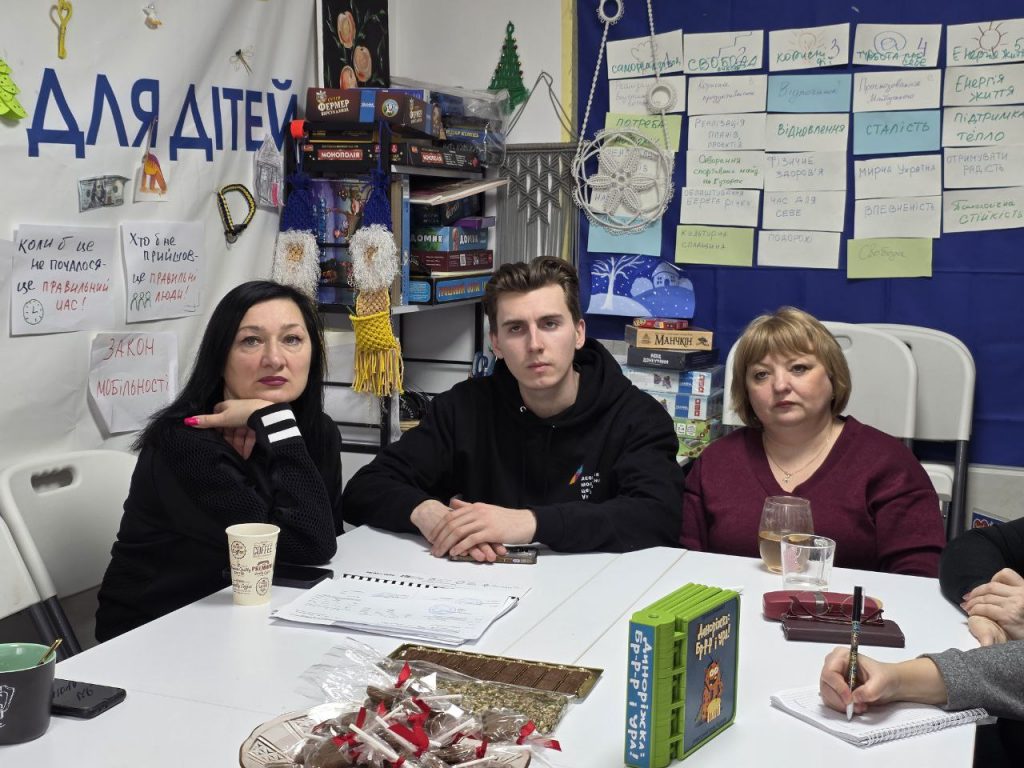
At the same time, the team established a system for working with the community: it conducted a participatory needs assessment, used it to develop a development strategy for 2023–2027, engaged partners, and strengthened community engagement.
Another key focus of “Persona” is working with children and teenagers. The space has become a venue for regular classes and events attended by hundreds of children every month. In a safe offline environment, they can grow and receive support, which is especially important during wartime.
Through educational programs, clubs, camps, and open events, the team supports children and adults who want to learn and take action to bring about change in their community. This approach transforms the role of residents: through volunteering, joint projects, and regular engagement, they become direct participants in the processes of recovery and development.
- Read the case study:
People, Trust, and Collective Action: How “Persona” Is Shaping the Ecosystem of Civic Engagement in Pavlohrad
How the Impulse Project helps
In Pavlohrad, “Impulse” is strengthening “Persona’s” work across the entire community and district. The focus is on building organizational capacity so that the team can work consistently with residents, partners, and local authorities, rather than merely responding to individual requests. One of the key areas of focus is advocacy at the local level. The team helps residents articulate their needs and convey them to the authorities, and also launches advocacy campaigns to ensure that decisions in the community are made with residents’ perspectives in mind.
NGO Renaissance and Development Association
Issue: Divided Communities
Following the outbreak of the war in 2014 and its escalation in 2022, communities in the Donetsk and Luhansk regions lost significant portions of their territory. At the same time, they faced the threat of losing the bonds between people, institutional memory, and a shared vision for the future of these regions. Residents of the regions have scattered across different cities, many initiatives have stalled, and questions of recovery remain unanswered: who will return and how, how institutions will function, and what will serve as the foundation for development.
At the same time, communities hosting IDPs often lack sufficient support and access to resources, especially outside regional centers. This complicates the integration of people and the long-term development of human potential.
Solution
Renaissance and Development Association addresses these challenges through a combination of dialogue, analysis, and community support. A key tool in this work has been the Eastern Studios—regular meetings where activists, experts, and government officials collaborate to develop approaches to post-conflict governance, institutional recovery, and public participation. The results of these discussions are compiled into analytical reports that summarize these findings and can be used by other communities.
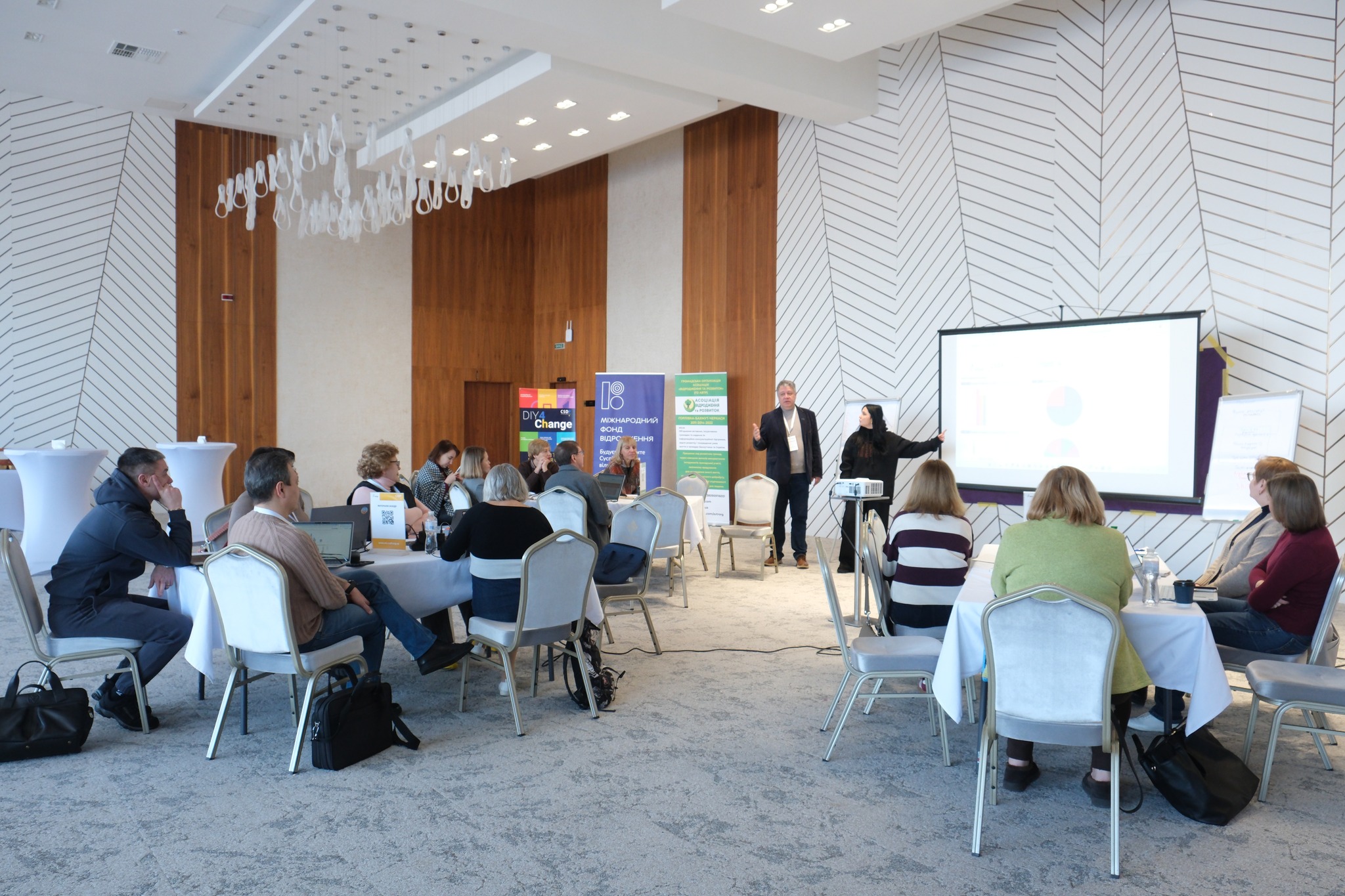
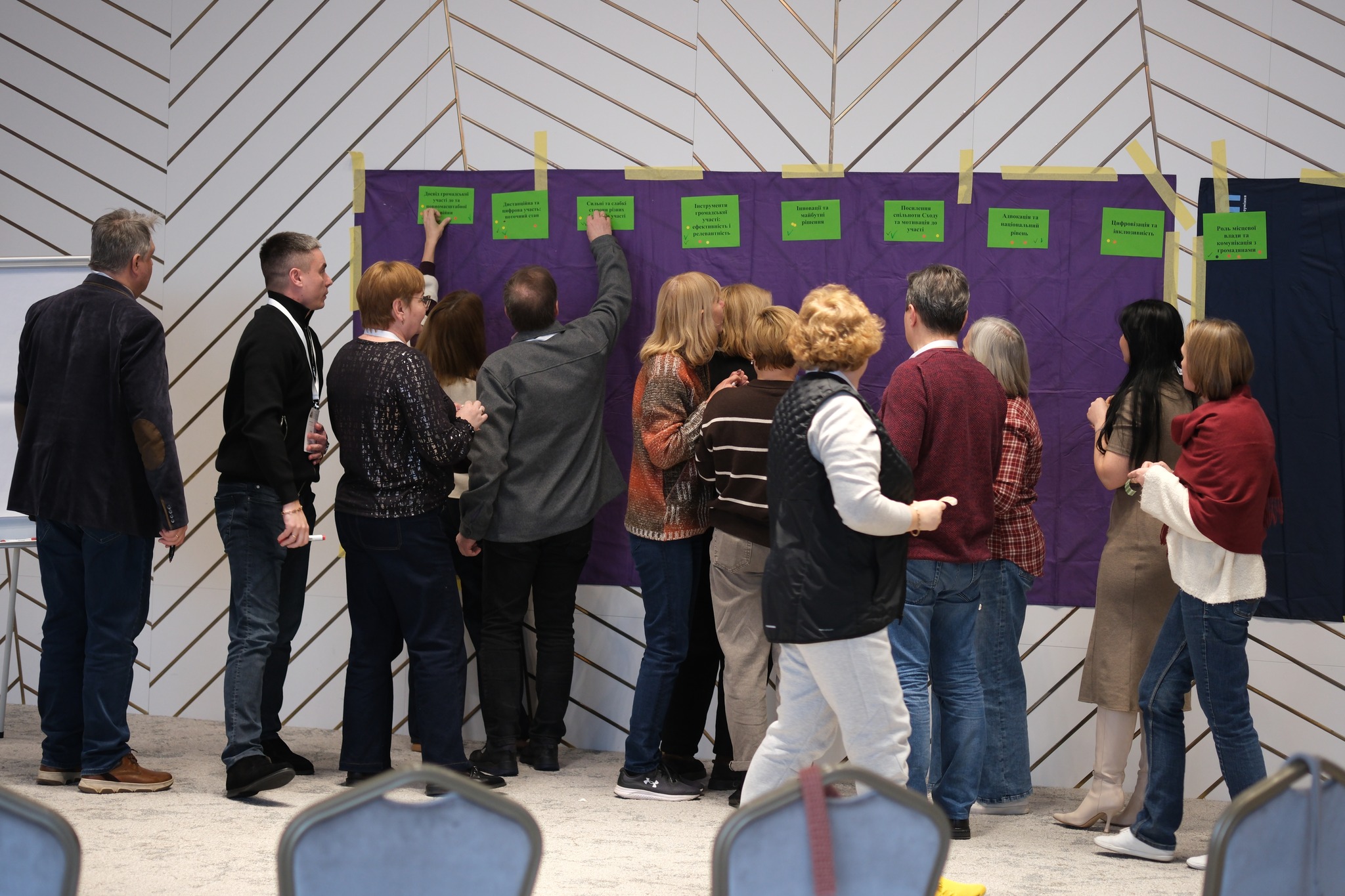
Renaissance and Development Association is currently based in Cherkasy and works with communities in the Cherkasy region, particularly those outside the regional capital. Here, the organization provides consultations, conducts training, helps establish partnerships, and shares its experience working with relocated communities. At the same time, their focus is broader—it also includes Donetsk and Luhansk regions, where the team is from and with which they continue to work on the vision for recovery.
A separate area of focus is the adaptation of internally displaced people. In their very first project in Cherkasy, the team helped over 400 IDPs and 180 children integrate. Some of these people later joined IDP councils, initiated local changes, and collaborated with authorities, becoming active participants in community processes. This approach allows for the gradual restoration of communities and the ability of communities to act independently in the face of wartime challenges.
- Read the case study:
Standing Strong to Shape the Future: How Renaissance and Development Association Is Expanding Its Impact and Building Communities After Two Relocations
How the Impulse Project helps
“Impulse” provides AVTR with the stability and resources needed for long-term work—something that is often lacking in wartime conditions. Thanks to this, the team can continue its activities and work systematically with communities in need of development. At the same time, the organization builds its own capacity and deepens its collaboration with communities through regular engagement, trust, and joint work on solutions. This ensures that communities are not left to face challenges alone but have the support and opportunity to move forward.
Dobrochyn Social Welfare Center
Issue: Engaging Young People
In communities across Chernihiv Oblast—particularly those along the border and those that have endured occupation—recovery is driven less by resources and more by people. Young people are staying, but they often lack the practical tools to make a difference and the experience of civic engagement. Their involvement in community life is often merely formal, without the opportunity to see an idea through from conception to implementation.
There is also a lack of trust and sustained interaction between young people, civil society organizations, and the government. Without this, it is difficult to foster long-term change and shared responsibility for community development.
Solution
Dobrochyn addresses this by actively engaging young people in community initiatives. Participants not only learn but also carry out their own projects—from the initial idea through implementation to reporting and public presentation of the results. The support system consists of training sessions, mini-grants, and ongoing guidance.
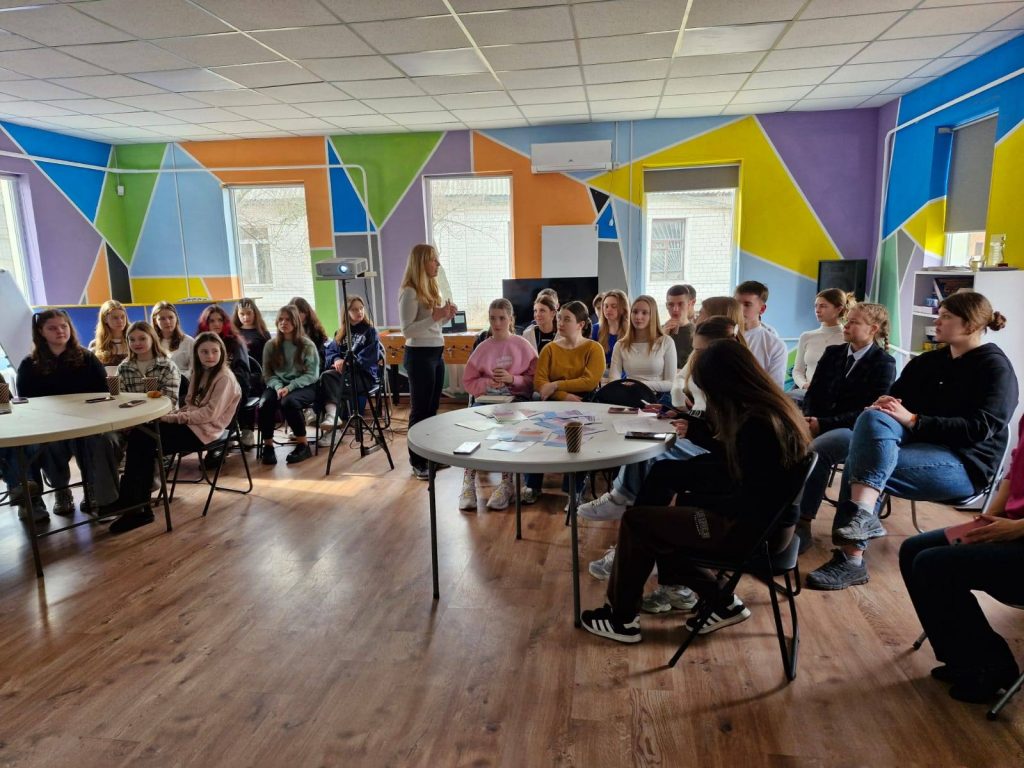
Specific initiatives are emerging in communities: youth spaces, media outlets, clubs, and local projects. For example, the MUR space operates in the Menska community, a youth media outlet streaming local government events operates in the Horodnia community, and initiatives leading to the creation of student self-government operate in the Bakhmach community. As a result, young people gain experience in making an impact: they participate in decision-making, launch their own projects, and become partners with local authorities.
- Read the case study:
Young People as Drivers of Community Recovery and Resilience in Chernihiv Region: The Dobrochyn Case Study
How the Impulse Project helps
The Impulse Project enables Dobrochyn to work systematically with communities in the Chernihiv region. The team strengthens institutional capacity and develops advocacy, communications, and partnerships to ensure that support for communities is stable and long-lasting. The focus is on cooperation between civil society organizations and local authorities. Through educational formats, hands-on participation, and support for initiatives, resident engagement grows, trust is built, and sustainable mechanisms for interaction emerge.
Voznesensk Community Foundation
Issue: Employment for IDPs
Following the hostilities in 2022, Voznesensk took in thousands of internally displaced people who had lost their jobs and their normal way of life. Most arrived with few resources and the expectation of a quick return, but over time it became clear that some would remain in the community for the long term.
Employment became a key need. At the same time, a gap emerged: people’s experience did not match the opportunities in the local labor market. The city lacked job openings suited to their skills, while businesses needed different types of specialists.
Solution
The Voznesensk Community Foundation has focused on retraining adults to meet the real needs of the local economy. They began by launching sewing courses in response to requests from local businesses seeking employees. Nearly 100 people learned a new trade; some found jobs, while others started their own businesses.
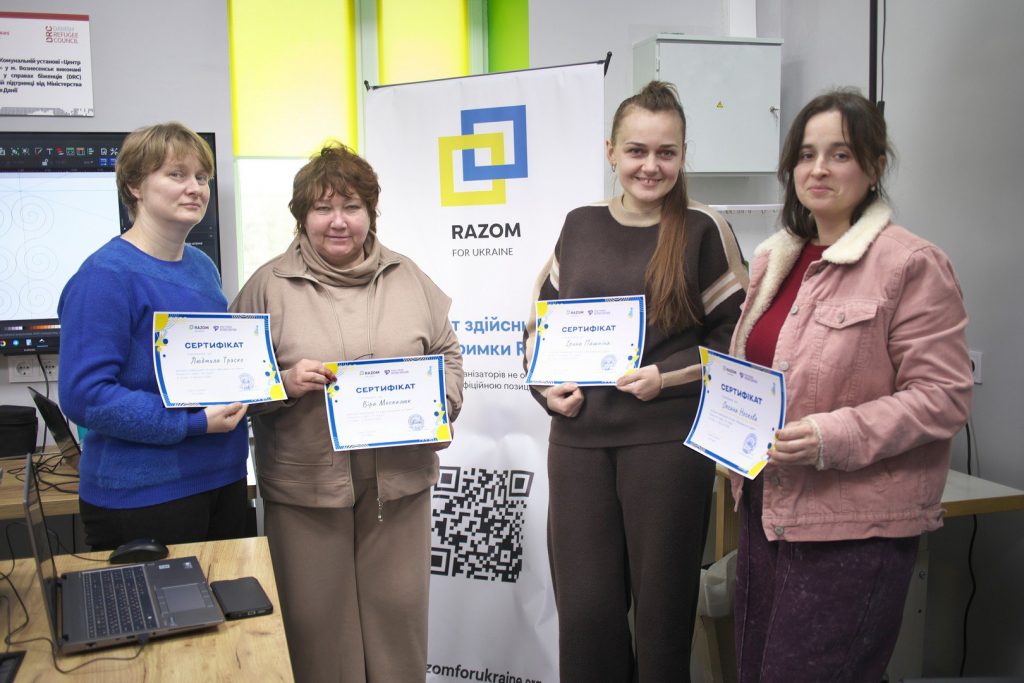
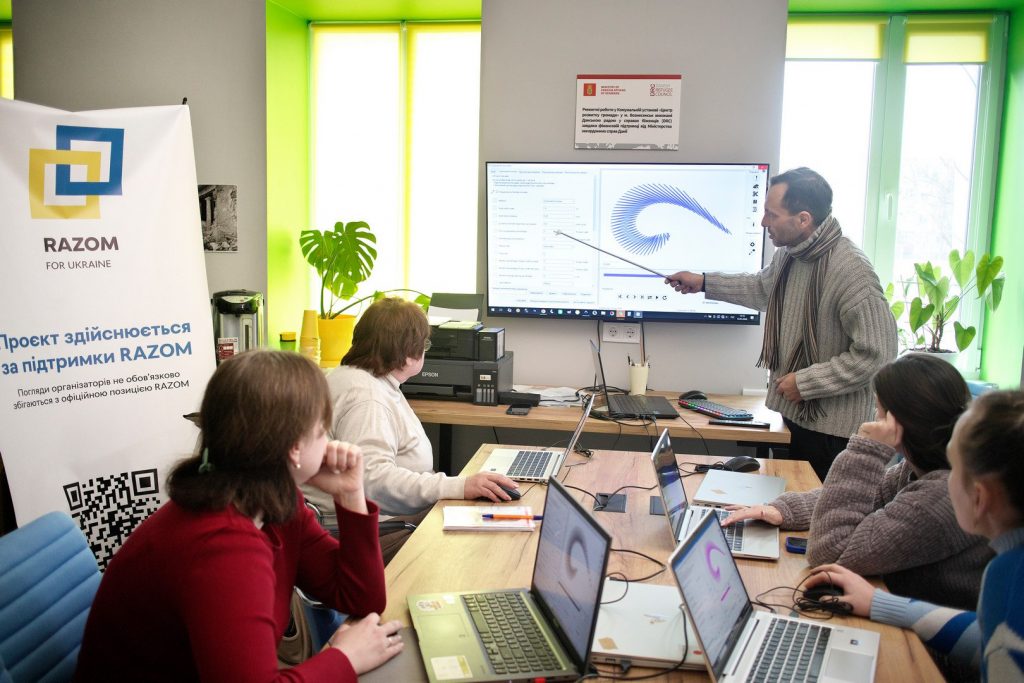
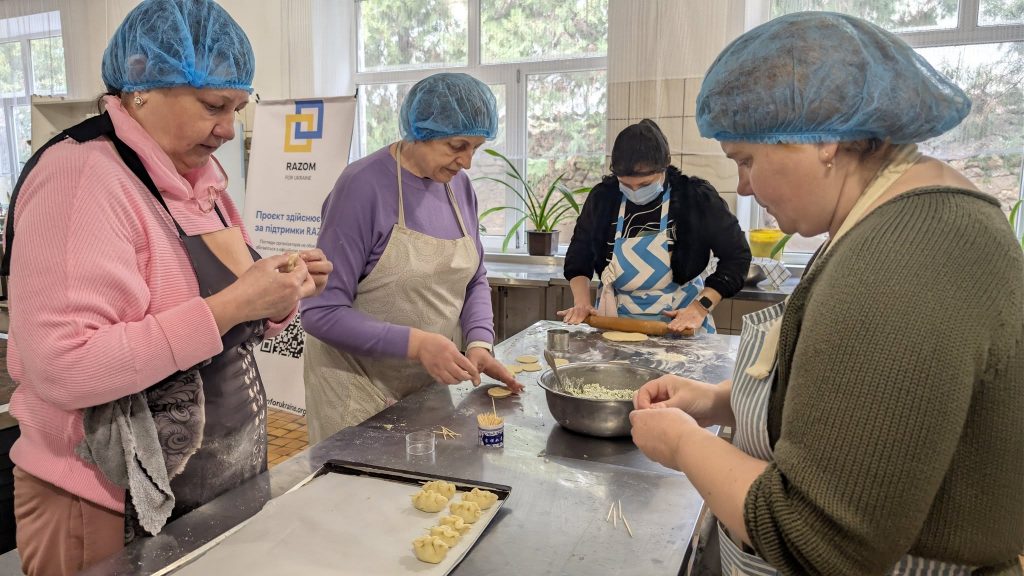
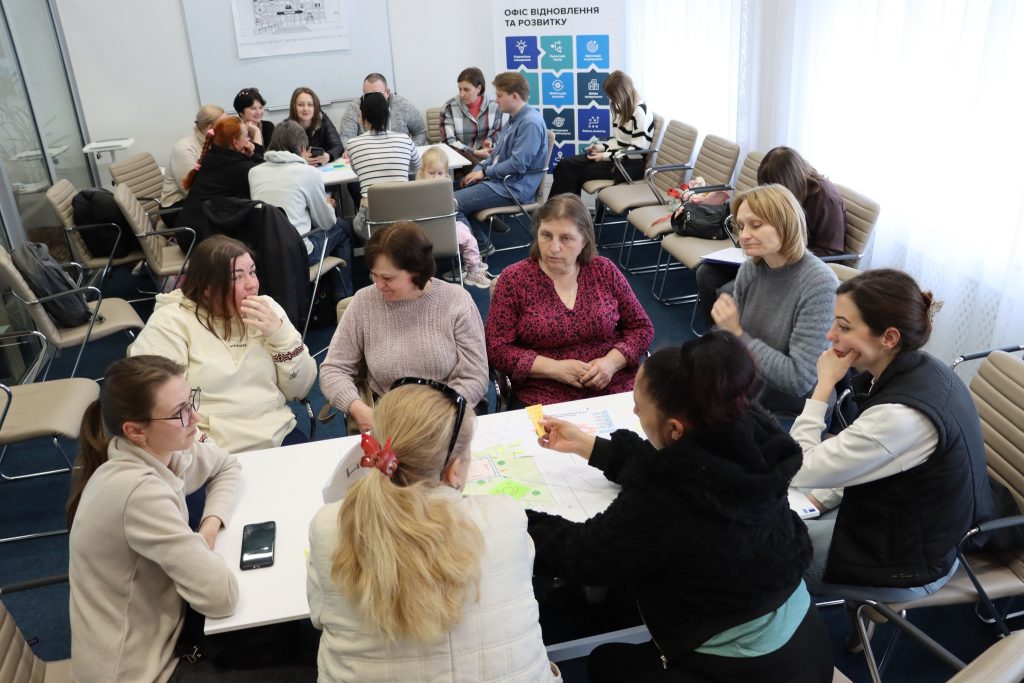
Over time, the community launched about 20 training courses—ranging from social media marketing and digital literacy to baking and coffee making. In 2024, approximately 400 people completed the training, and the number of participants increased in 2025. The programs were tailored for adults, with evening classes or weekend sessions to accommodate work and personal life.
The training is developed in collaboration with businesses, and the programs are adapted to meet the specific needs of employers. For example, in the garment industry, they train people for specific tasks that local businesses actually need, rather than producing generalists.
How the Impulse Project helps
Participation in the Impulse Project allows the foundation to scale its approach. The team is strengthening management, automating processes, expanding funding, and developing programs that meet the community’s real needs. At the same time, the foundation is working with government officials and partners to ensure that adult education becomes part of community policy. To this end, a working group has been established and advocacy efforts are underway at the city level.
In 2025, the team expanded its educational, veteran, youth, and security initiatives, updated its infrastructure, and established sustainable mechanisms to support people. In 2026, this approach will be expanded. The foundation will develop self-employment and entrepreneurship programs: training, consultations, and mentoring support for starting one’s own business. The organization also plans to launch a social school entrepreneurship program, create a children’s space at the Adult Education Center, and prepare to open a business incubator.

