

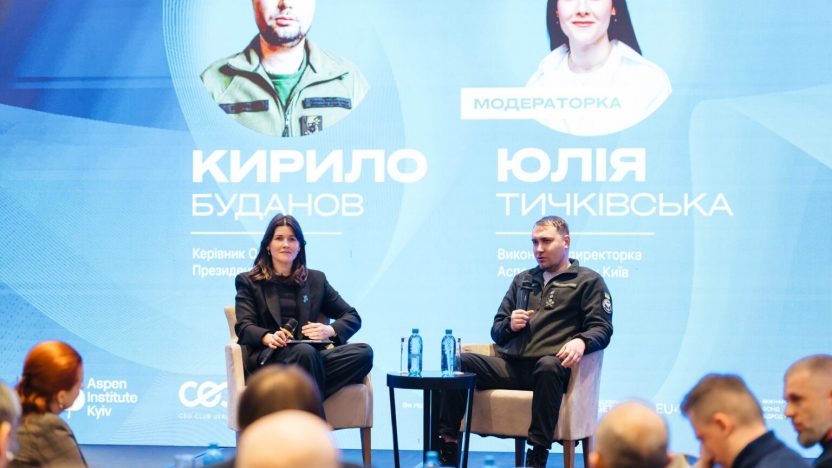
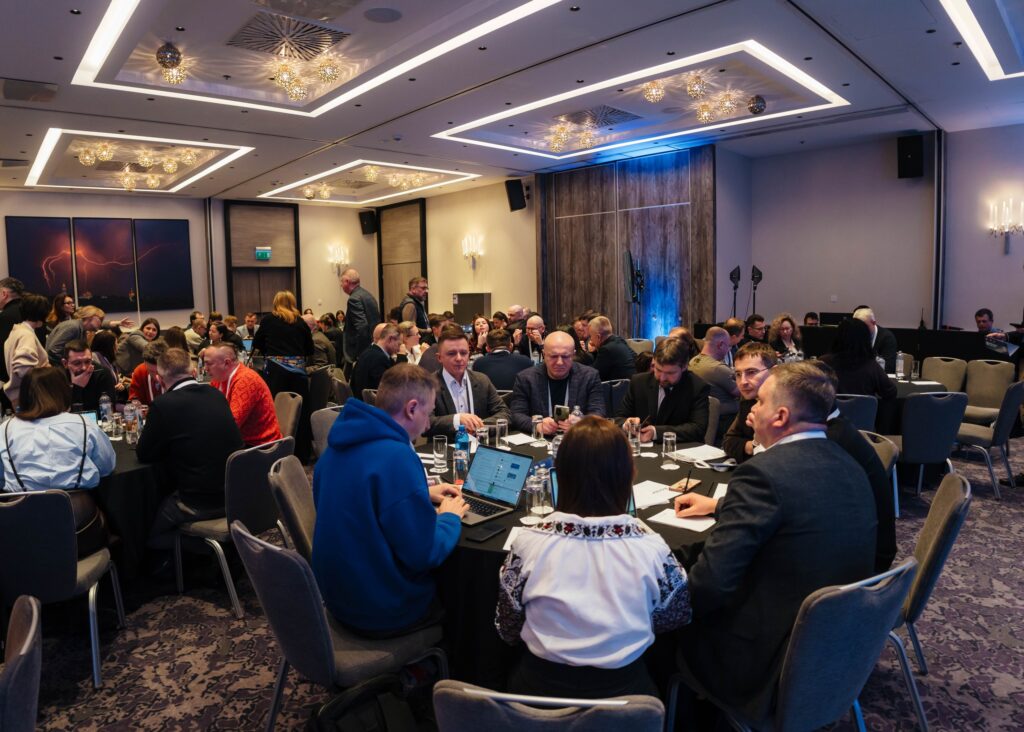
On February 14, more than 200 leaders from government, business, the military, and the public sector gathered at the Good Governance Forum “Economy of Sustainability: Leadership Challenges 2026,” held for the third time by the Aspen Institute Kyiv in partnership with the Frontier Institute and CEO Club Ukraine.
The event became a platform for a systematic discussion of what Ukraine’s leadership priorities should be in a year of growing uncertainty and geopolitical pressure. The discussions demonstrated a clear demand for a transition from crisis response to building institutional maturity: 2026 should be a year of strong systems, not just strong personalities.
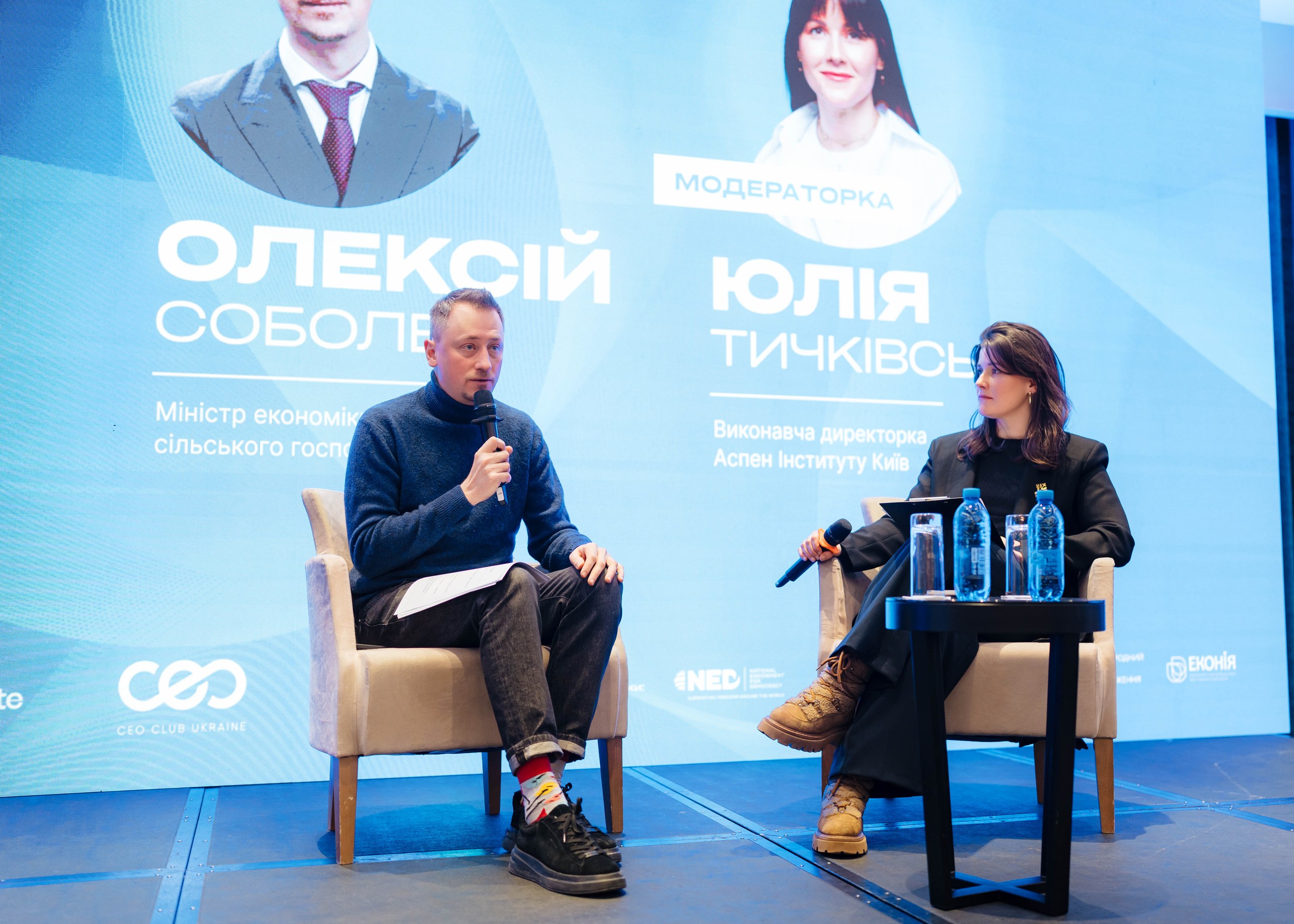
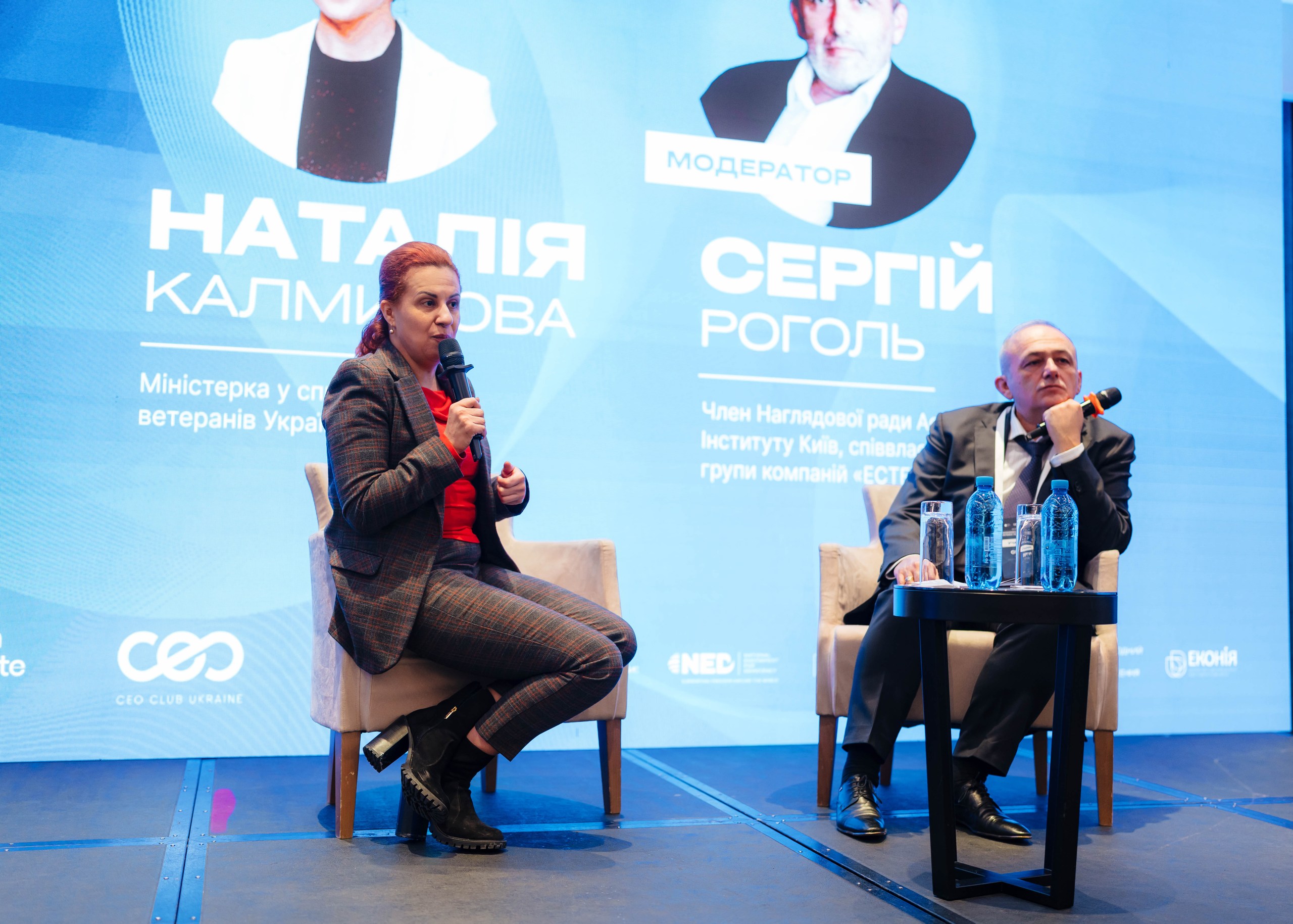

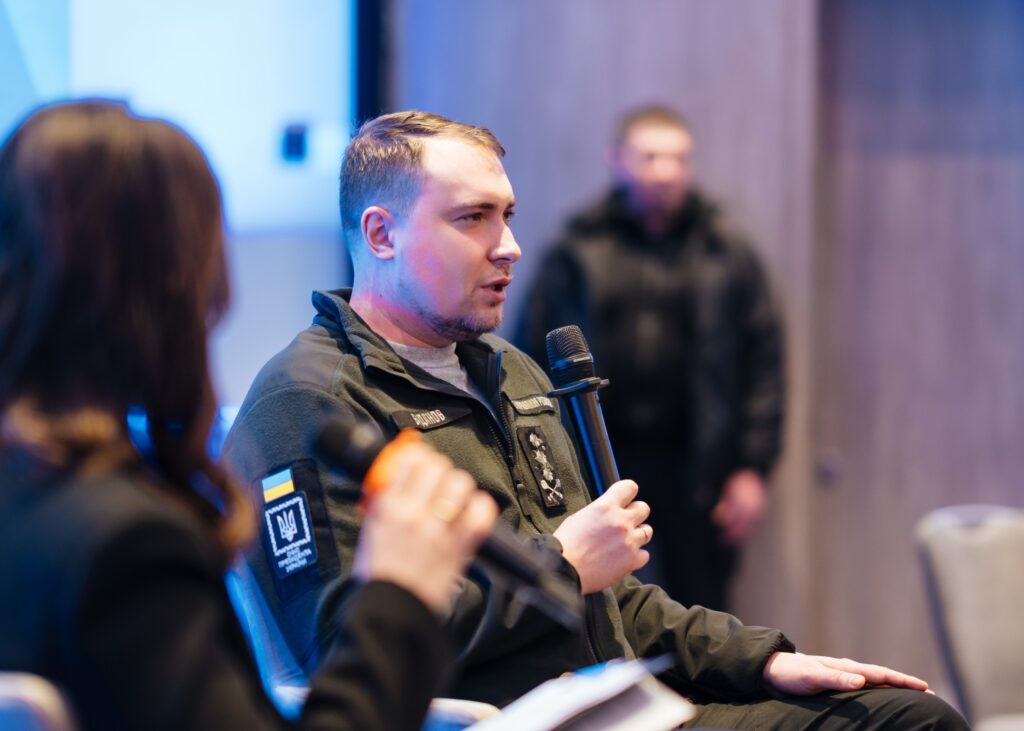
The first part of the event opened with a moderated discussion with Kirill Budanov, Head of the Office of the President of Ukraine, which set the strategic tone for the entire day. The discussion was also framed by talks with representatives of the current Ukrainian government: Oleksiy Sobolev, Minister of Economy, Environment, and Agriculture of Ukraine; Nataliya Kalmykova, Minister for Veterans Affairs of Ukraine; Oksen Lisovyi, Minister of Education and Science of Ukraine; and Matviy Bidny, Minister of Youth and Sports of Ukraine.
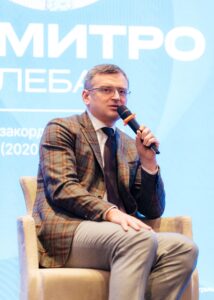
The international dimension of the conversation was reinforced by Dmytro Kuleba, Minister of Foreign Affairs of Ukraine in 2020–2024.
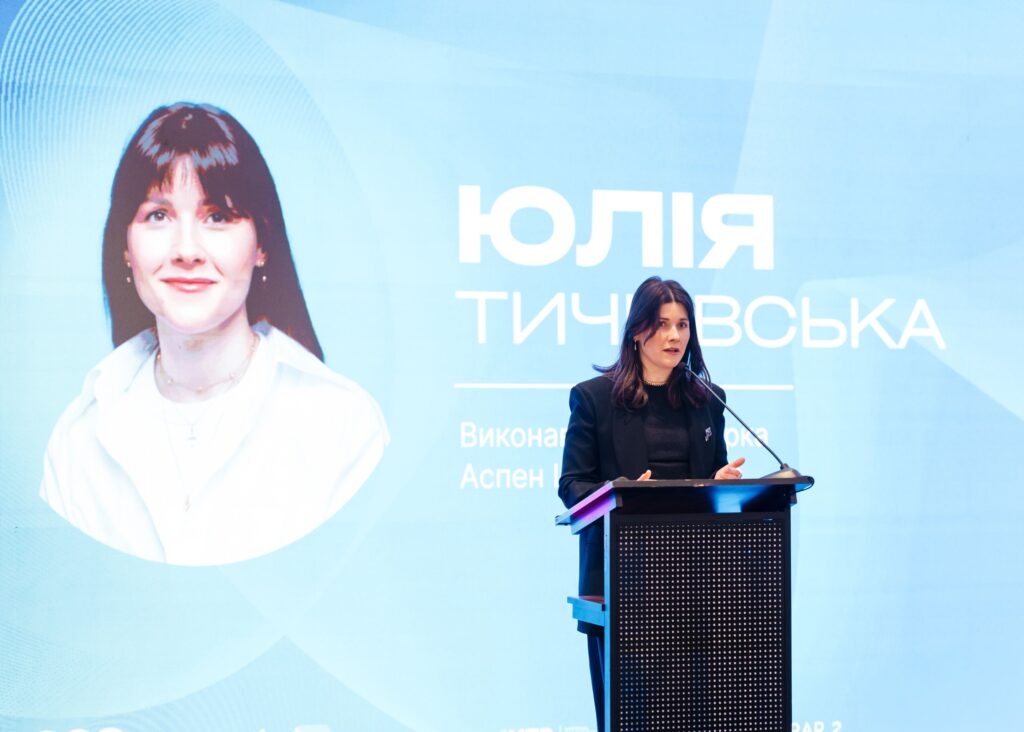
The discussions were moderated by Yulia Tychkivska, Serhiy Rogol, Yegor Grygorenko, and Anton Drobovich.
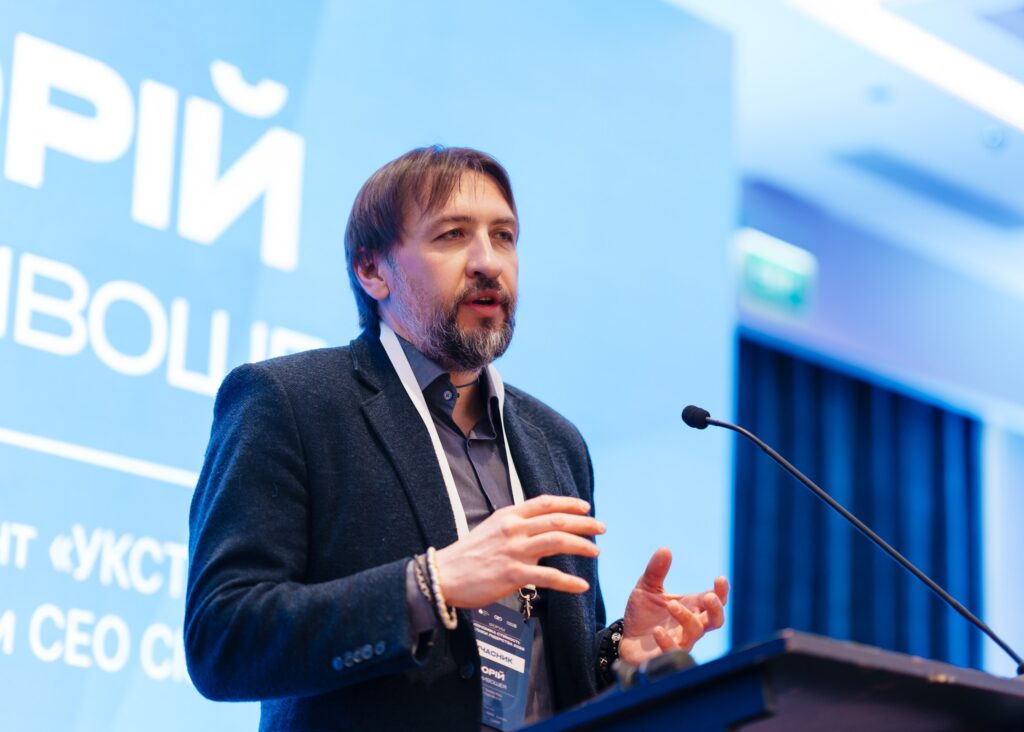
Yevhen Hlibovytsky, CEO of the Frontier Institute, outlined the broader social context and long-term perspective in his speech.
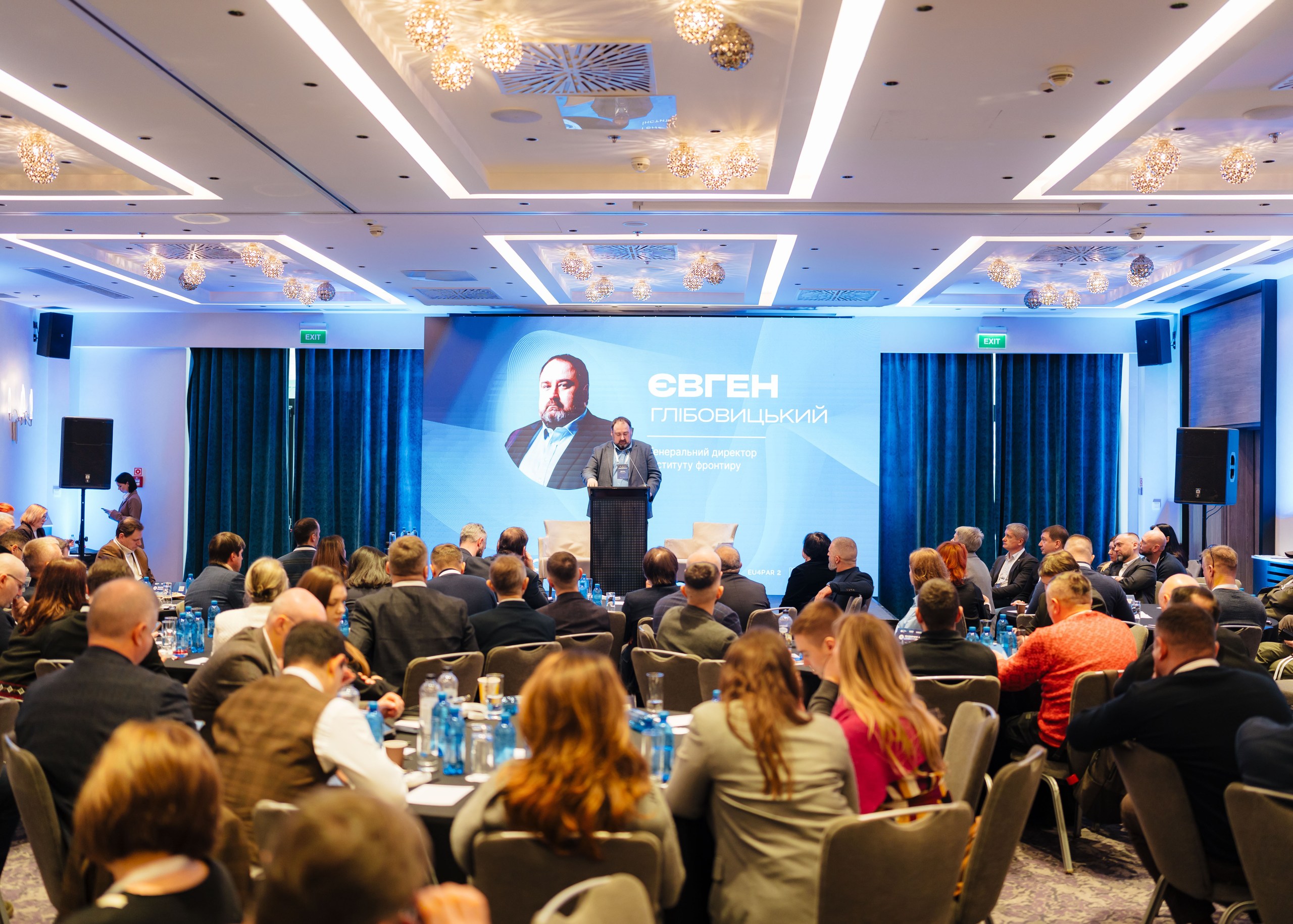
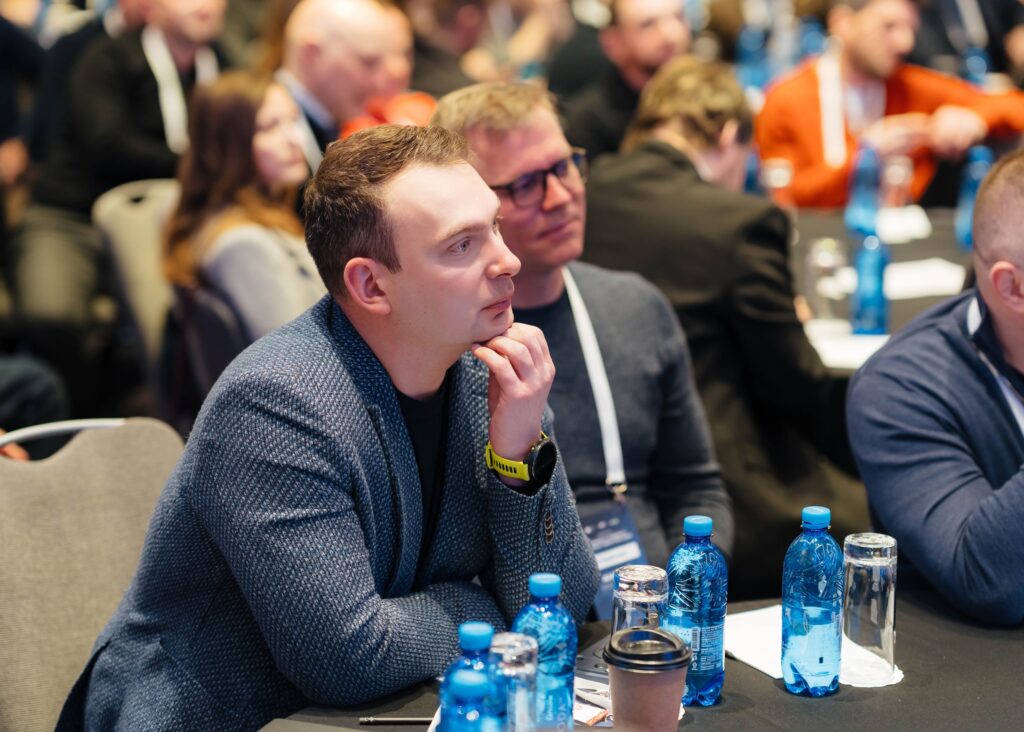
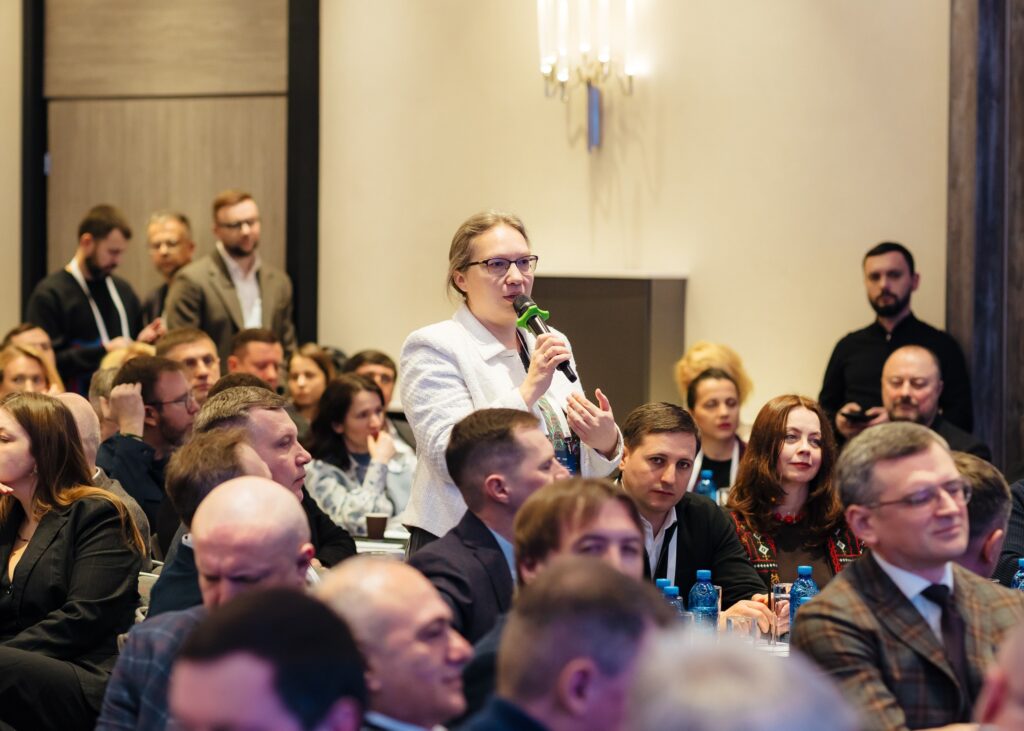
During the second block—a discussion panel entitled “Key Challenges for Leaders in 2026”—participants emphasized that strategic clarity, scenario planning (including a “plan B”), and the state’s ability to quickly adapt to changes in the security and international environment are critical to preserving sovereignty and economic capacity.
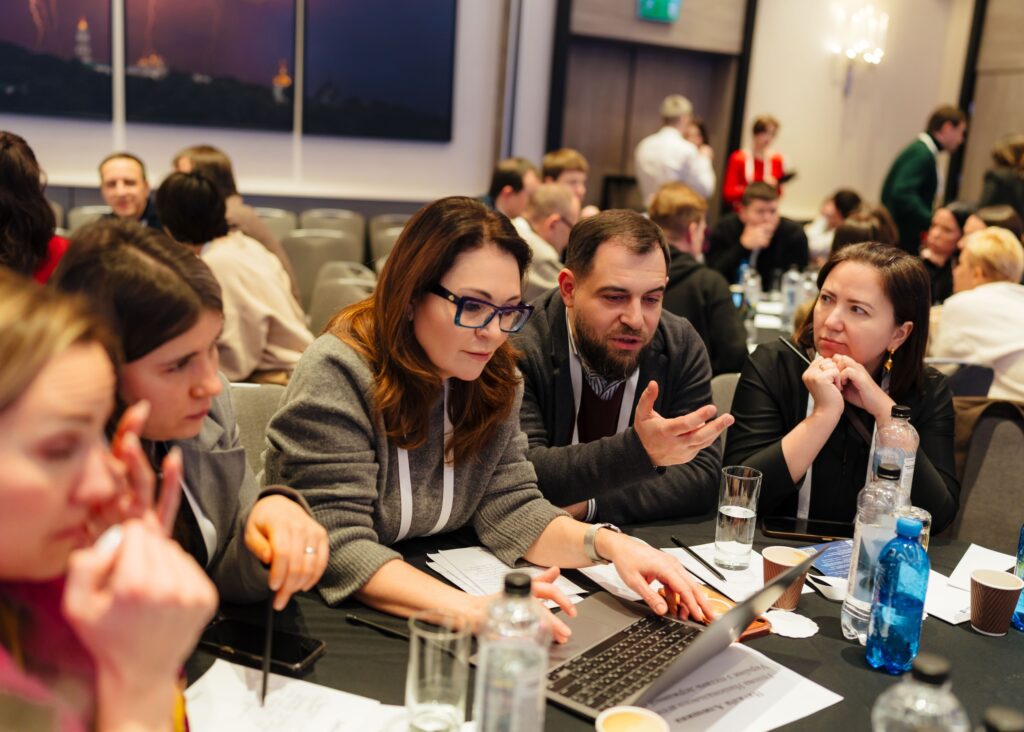
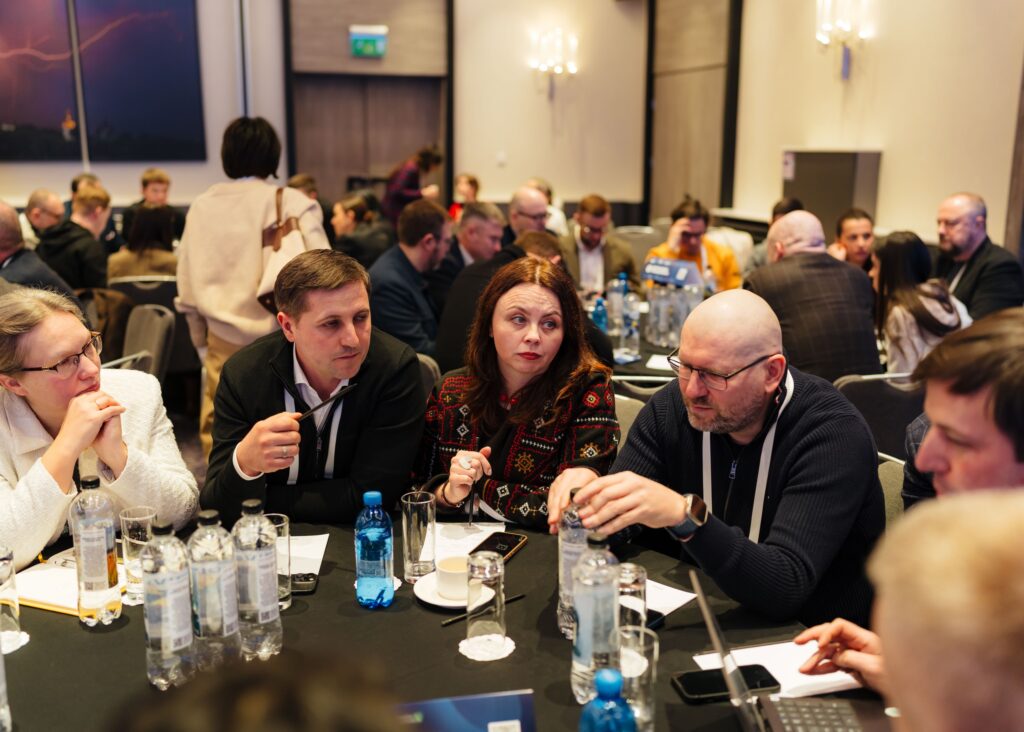
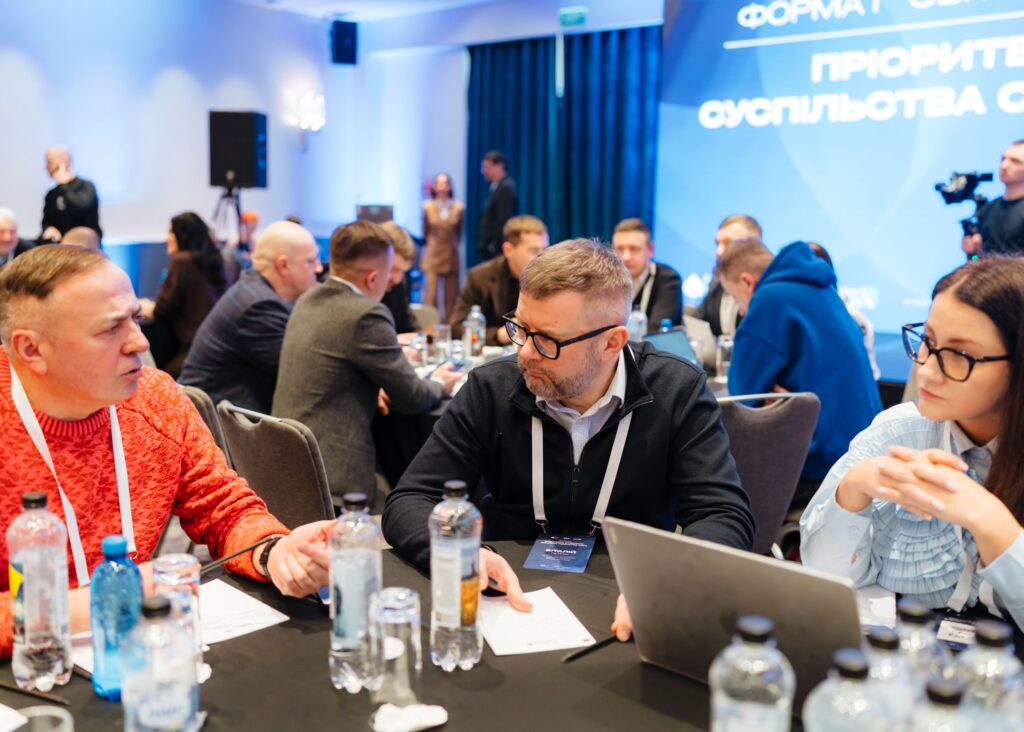
The third part of the Forum took place in a “world café” format. Participants worked at thematic tables and then presented their specific proposals.
The “world café” was facilitated by the Deputy Ministers of Economy, Environment, and Agriculture of Ukraine, as well as representatives of relevant thematic areas. We would like to thank the ministry, and personally Oleksiy Sobolev, for supporting the initiative to hold the Forum.
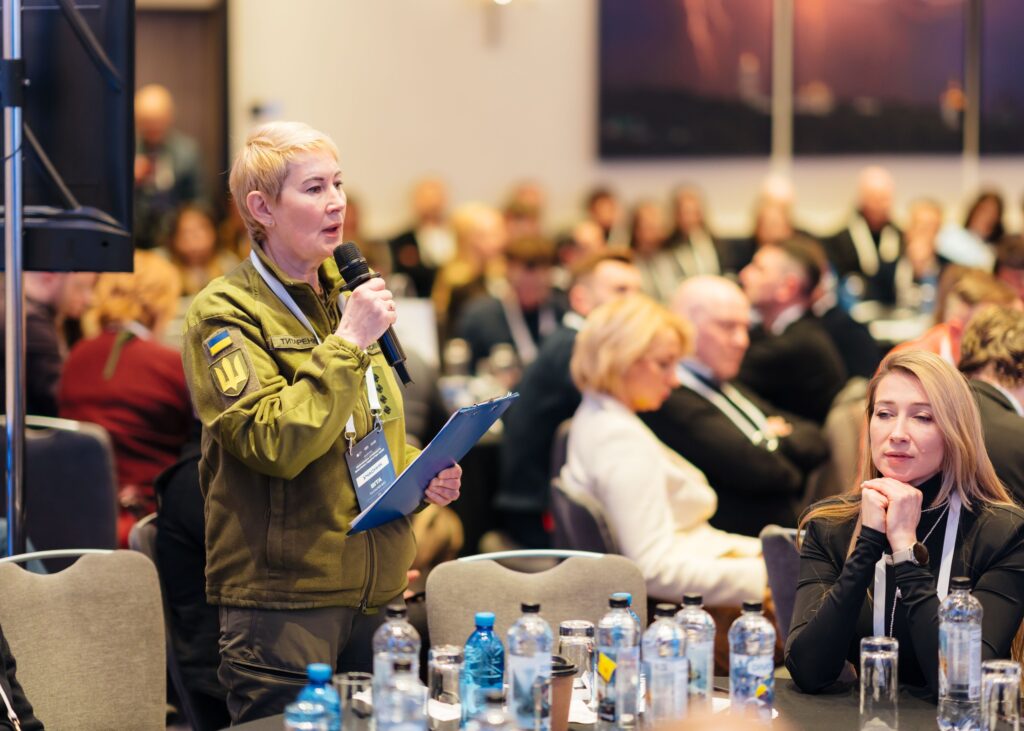
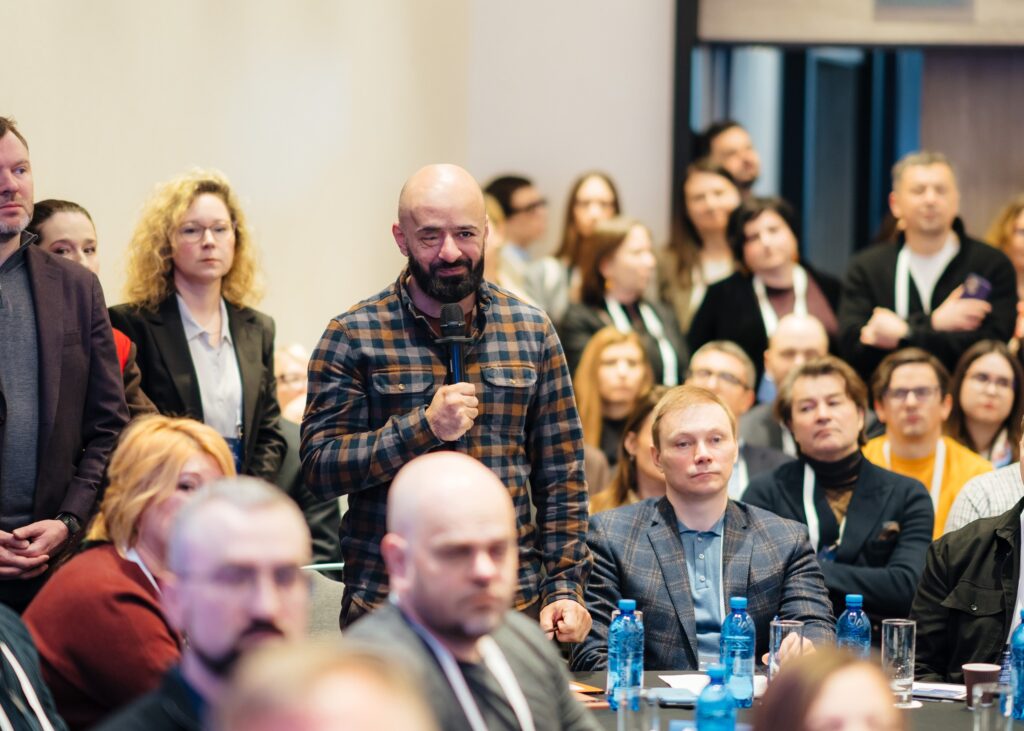
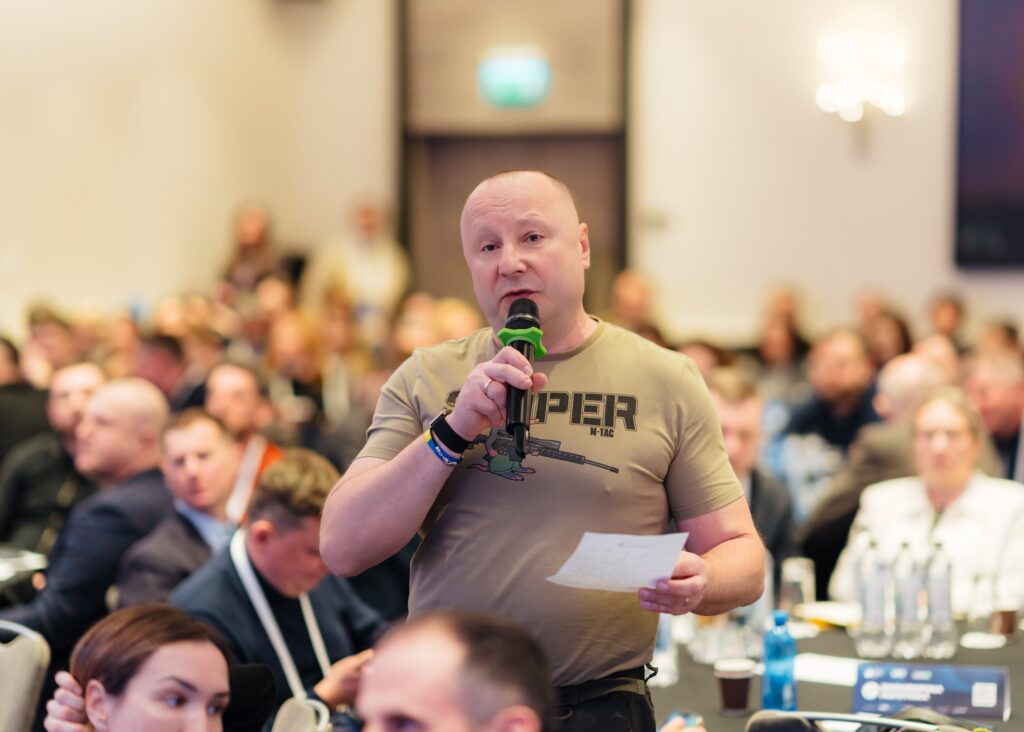
A separate set of leadership priorities concerned the rule of law and trust in institutions. This involved not only legislative reform, but also a culture of compliance with the rules—in particular, the need for effective enforcement of court decisions, protection of property rights, transparent privatization procedures, and a level playing field for business. There were calls for the creation of a predictable, fast, and institutional “green corridor” for responsible businesses that operate transparently. Without the final stage of justice—the actual enforcement of decisions—the economy cannot function fully, and investments remain at high risk.
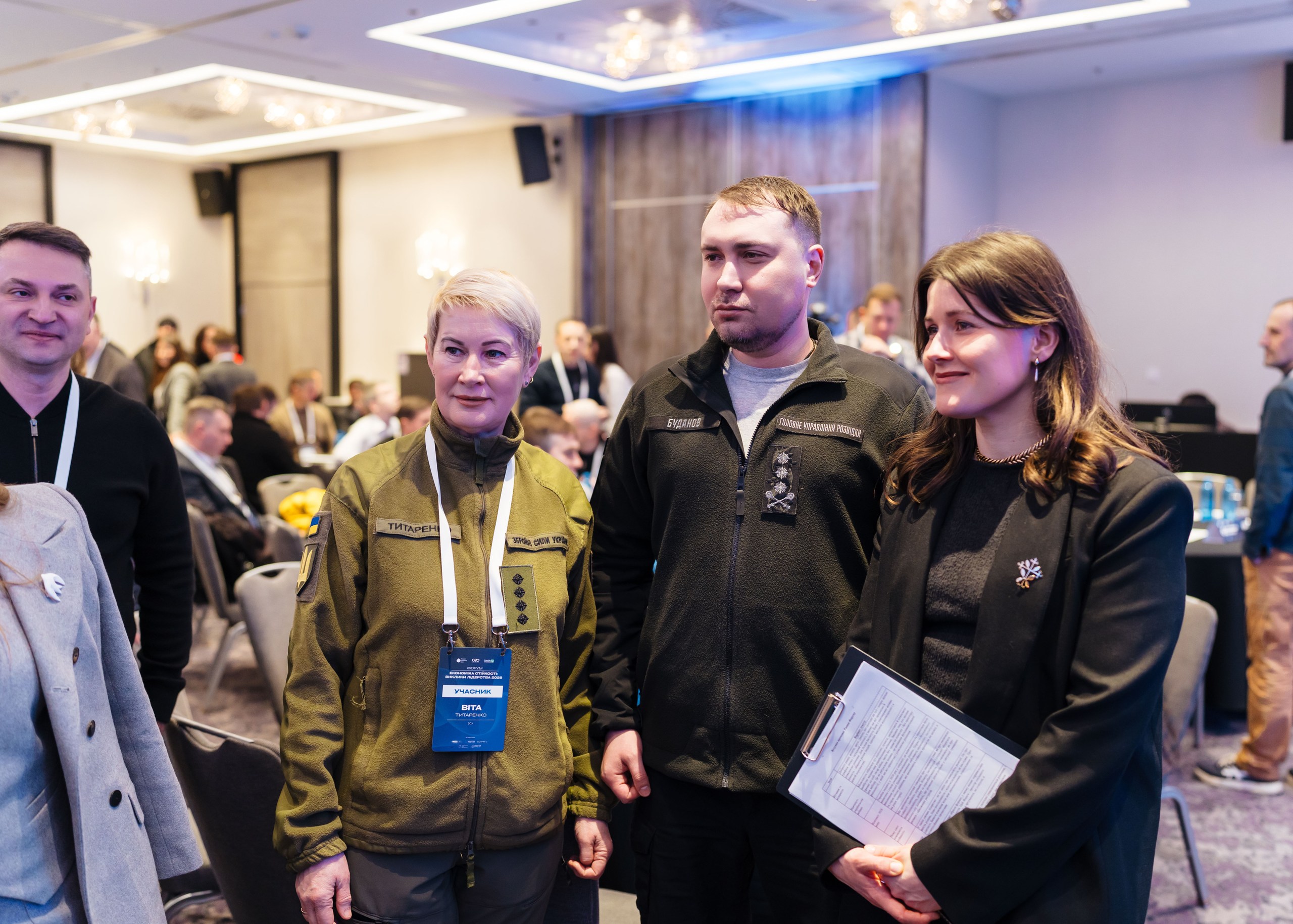
Significant attention was paid to human capital — not only in terms of quantity, but above all in terms of quality. Among the priorities for 2026 are: developing specific scenarios for the return of Ukrainians, combining registries of educational infrastructure and staff shortages, reforming vocational and technical education in cooperation with business, and implementing a systematic policy for the development of both hard and soft skills. A fundamental thesis was put forward on the need to combine investments in human capital with investments in social capital — the formation of stable horizontal communities that increase the profitability of these investments and reduce the risks of brain drain. Ukraine should think of itself as a “nation of veterans” and, at the same time, as a nation capable of transforming its military experience into the export of knowledge and technology.
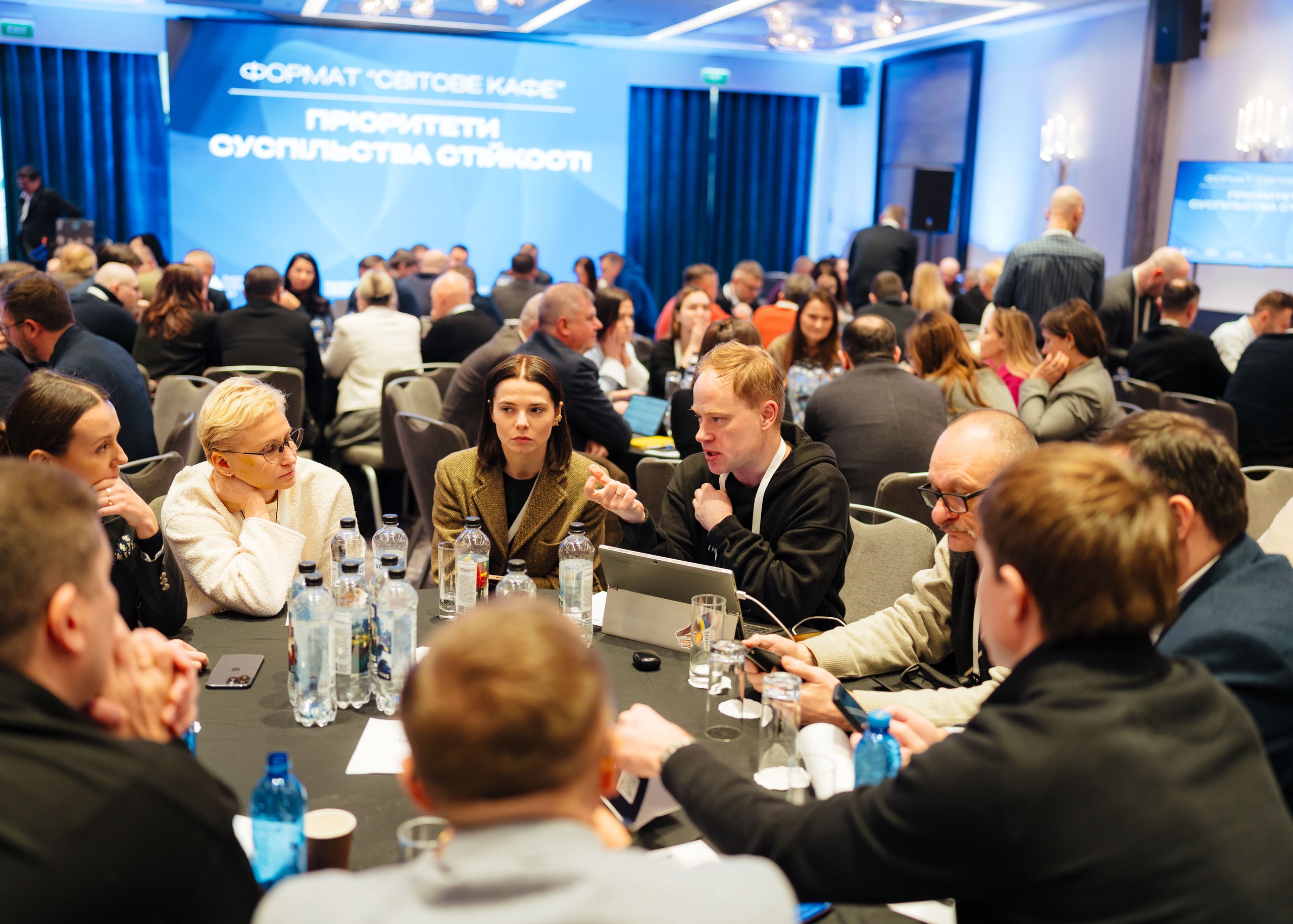
The economic bloc focused on de-shadowing, access to financing, and protection of domestic producers. Participants emphasized that de-shadowing cannot be reduced to increasing the tax burden on legal businesses; instead, the state must demonstrate effectiveness in combating shadow practices and ensure fair competition. Specific initiatives include the introduction of a localization coefficient in strategic state tenders, a review of approaches to the classification of war-affected but viable borrowers, the expansion of the Export-Credit Agency’s tools, and the creation of large-scale investment platforms capable of attracting international partners.
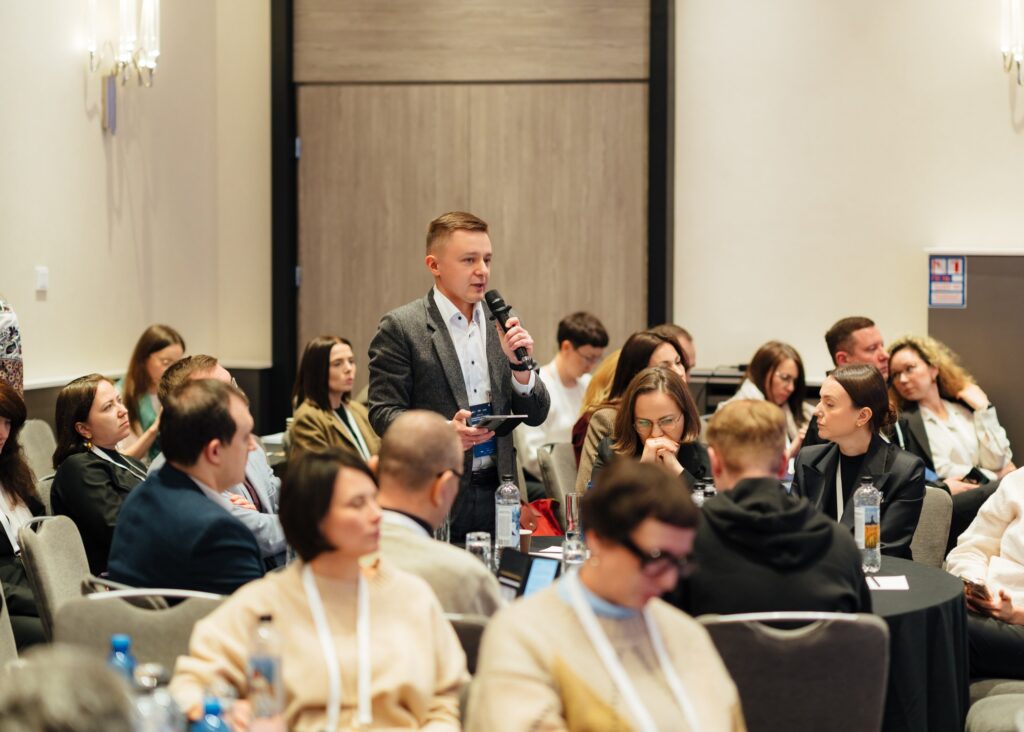

Finally, participants emphasized the role of the media, creative industries, and civil society in shaping a common narrative of sustainability. The media should become not only news broadcasters, but also moderators of public sentiment, providers of analytics, and partners in promoting a culture of entrepreneurship, financial literacy, and responsible behavior.
A separate cross-cutting priority that was repeatedly raised during the Forum was the need to increase trust between the state and citizens—businesses, the military, civil society organizations, and professional communities. The economy is based on rational behavior and long-term planning, and such planning is only possible on the basis of facts, transparent data, and honest risk assessment, rather than illusions or situational expectations. That is why leadership in 2026 will require a focus on the real state of affairs in security, finance, social policy, and institutional capacity. Only with a shared understanding of reality and open communication between sectors can the most effective use of state, business, and society resources as a whole be achieved.
Leadership in 2026 means establishing agreed-upon “rules of the game,” maintaining unity, and thinking of Ukraine as a cohesive system. According to the Forum’s conclusions, it is this systematic approach that will determine the country’s ability not only to survive but also to set new standards for development during the war and post-war periods.
The event was held under Chatham House rules, which allowed for frank dialogue without personalizing statements. All theses, proposals, and decisions voiced during the Forum were forwarded for further consideration and will be summarized in a discursive protocol.
The Aspen Institute Kyiv continues to create space for cross-sectoral dialogue to shape a shared vision for Ukraine’s future.
The Forum was coordinated by Olena Fomina, Director of Programmes at the Aspen Institute Kyiv.
The event was held with the support of NED (National Endowment for Democracy) and the International Renaissance Foundation, the EU project “Continuing Support for Comprehensive Public Administration Reform in Ukraine” (EU4PAR), and Ekonia.
Source: Aspen Institute Kyiv

