

We need to increase the effectiveness of public advocacy for Ukraine’s interests in the EU – this is a pressing issue. Today, Ukraine enjoys maximum support from the main institutions of the European Union, but we cannot be sure that this support will last long, given the changes that may occur in member states.
We are confident that our choice – to move towards the EU – is the right one. However, not all member states are optimistic about Ukraine’s participation in the EU’s Common Agricultural Policy. And not all Ukrainian farmers are enthusiastic about the environmental and climate requirements of the CAP, which we will inevitably join.
Civil society organizations are able to convey their position to EU institutions, where the opinions of CSOs are often listened to more than those of official negotiators from the government, according to participants in our discussion.
Ukrainian CSOs already have certain instruments of influence at their disposal, as we wrote about in a publication based on research and consultations that has just been released. A lot of useful information has been collected in publications by our colleagues from the Resource and Analytical Center “Society and Environment” and the German-Ukrainian Agricultural Policy Dialogue (APD) project. Practical activities to advocate for Ukraine’s interests are carried out at the Eastern Partnership level by members of the Eastern Partnership Civil Society Forum, the Ukrainian side of the Ukraine-EU Civil Society Platform, and the Build Ukraine Back Better platform.
We thank the representatives of these organizations and platforms for participating in the Discussion Platform and for the information they shared.
What should we pay attention to in order to better promote Ukraine’s interests in the EU?
Here are some tips from our participants:
- Come with a clear message that focuses not only on our interests, but also takes into account the interests of those we are communicating with. Be well prepared and able to persuade.
- Involve colleagues from EU organizations in advocacy activities—our positions are strengthened when they are voiced by activists from European organizations and networks.
- Work not only with institutions in Brussels, but also with representatives of EU member states (they have influence in the European Parliament), especially those with whom it is difficult for Ukraine to reach an agreement at the official level.
Perhaps the most difficult thing is to reach agreement within Ukraine itself. We are all different and defend the interests of different groups of the population: the interests of agricultural magnates, for example, do not coincide in many ways with the position of small farmers or environmental organizations, but we must speak with one voice outside Ukraine in order to move towards the European Union. On the other hand, environmentalists always remind us that diversity is the key to a sustainable system. The participants in the discussion agree that debates and disputes are a normal process in society, and they should be continued and involve as many interested parties as possible.
An example of a successful discussion process is the strategic dialogue on the future of the EU’s agricultural and food sector, which aims to develop a shared vision for the future of the EU’s agricultural and food system. We need to learn to listen to each other here at home. And we must not forget to share information and best practices with colleagues and all stakeholders, and to establish effective communication between organizations and platforms that are already involved in the advocacy process in the EU.
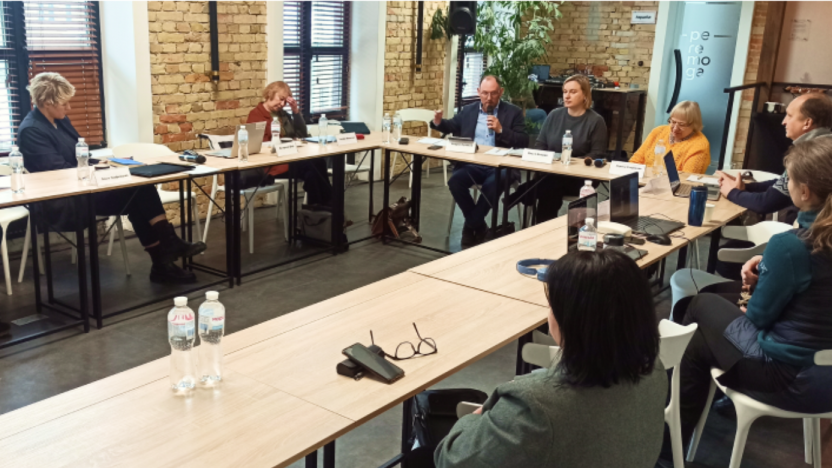
Thank you to all the participants in the discussion! Special thanks to Andriy Kulakov, Program Director at Internews Ukraine, who moderated this challenging conversation.
This event was the last in the AgriFuture UA: Promoting Sustainable Agriculture and EU Integration through CSOs project, but our work continues.
Event materials:
Publication “Public advocacy of Ukraine’s interests in the EU: the green course of the agricultural sector” – in the Library section.
Full video recording (in Ukrainian)
This material was prepared as part of the project “AgriFuture UA: Promoting sustainable agriculture and EU integration through CSOs” implemented by the International Organization “Green Dossier” with the support of the European Union and the International Renaissance Foundation as part of the joint initiative “Joining the EU Together.”
The materials represent the authors’ views and do not necessarily reflect the position of the European Union or the International Renaissance Foundation.
Source: Green Dossier Information Center

