


The NGO “Association ‘Revival and Development’” (AVTR) was established in Horlivka as an initiative of local entrepreneurs and civic activists seeking systemic change in the city. Since 2011, the organisation has advocated for the adoption of municipal programmes supporting small and medium-sized enterprises, the development of neighbourhood self-governance bodies and civic initiatives, and has contributed to building infrastructure for entrepreneurship support.
In 2014, AVTR was forced to relocate to Bakhmut, and after 2022 — to Cherkasy, while preserving its team, values, and focus on community development. In 2025, the organisation became an institutional grantee of The Impulse Project, implemented by the International Renaissance Foundation and East Europe Foundation with funding from Norway (Norad) and Sweden (Sida).
Over more than ten years of activity, AVTR has combined experience in advocating for local programmes in Horlivka, supporting internally displaced people and relocated businesses in Bakhmut, and facilitating the integration of IDPs and community development in Cherkasy. Olena Holovkina, the organisation’s founder, spoke about this path of resilience and AVTR’s key achievements during the panel discussion “Cases of Resilience: What We Do to Stand Strong,” held as part of the XIV Civil Society Forum.

Shaping the Foundation for Recovery
Today, the organization is working as part of a civil society consortium on developing the conceptual and legal foundations for the institutional recovery of Donetsk and Luhansk regions, expanding the “Studio of the East” platform, and bringing together communities displaced from eastern Ukraine around a shared vision for the region’s future.
“We realized that humanitarian aid is important, but without integration, dialogue, and a shared vision of the future, we will not be able to move forward. We need to unite the community and answer key questions: what will happen after return, what our institutions will look like, and who will take part in rebuilding the region,” emphasized Olena Holovkina.
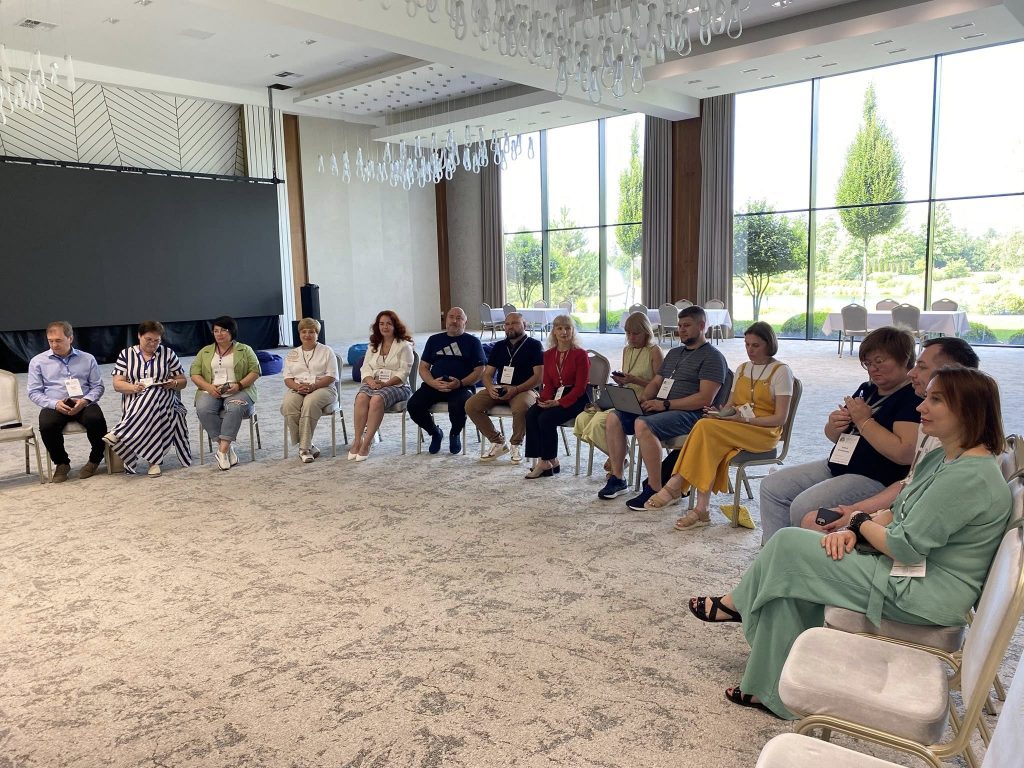
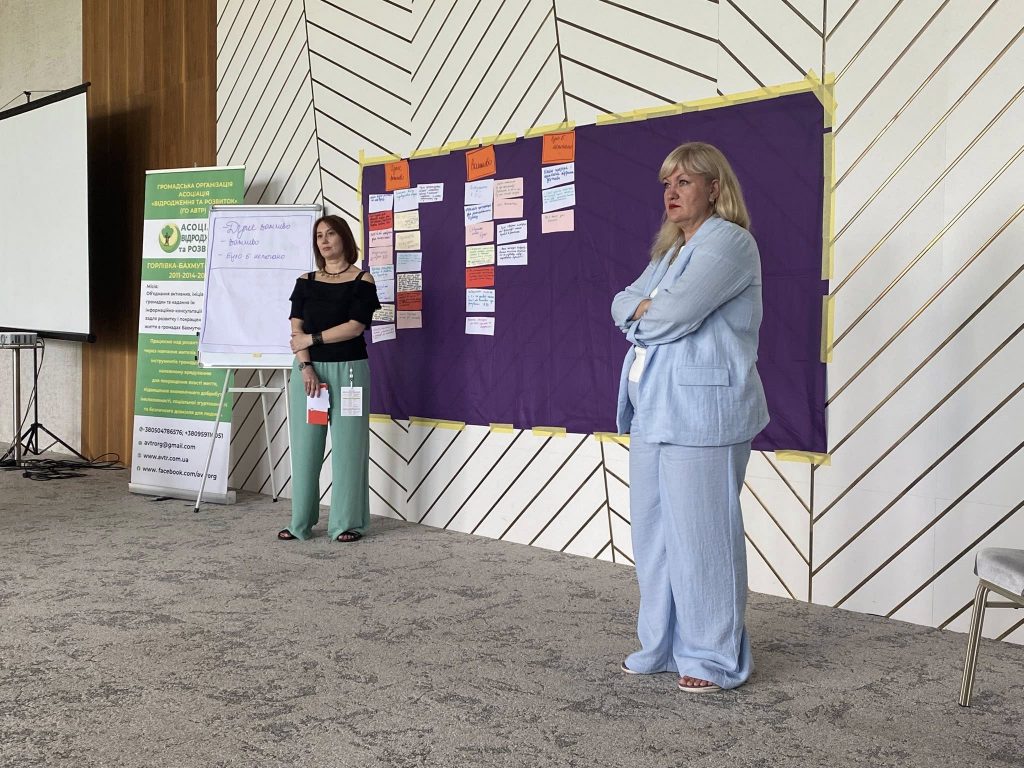
The “Studios of the East” is a series of meetings that brings together civic activists, experts, and government representatives to discuss the issues that truly matter to people from the region. Each meeting focuses on a specific topic, such as identity, resilience, trust, post-war governance, and future planning. Participants share experiences, raise difficult questions, work together to find answers, and develop concrete ideas, approaches, and initiatives. Some meetings take place online, while others are held offline to maintain connections between people who now live in different cities but share a common vision for the future and are ready to take responsibility for the recovery of Donetsk and Luhansk regions.
Representatives of AVTR explain that the “Studios of the East” function both as a space for discussion and as a tool for shaping shared positions and solutions. The initiative develops approaches to post-war governance, preservation of institutional memory, citizen participation in decision-making, and rebuilding trust between authorities and communities. These outcomes later become the basis for advocacy efforts and public events, including the forum “Donetsk Region 2025: Looking into the Future,” where they were presented to a broader audience of experts and policymakers. In October 2025, AVTR also published the handbook “Experience, Dialogue, Co-Creation,” developed on the basis of the conclusions and discussions generated through the “Studios of the East.”
Standing Strong and Preserving the Team
For AVTR, resilience is not only the ability to respond to crises. It is the ability to preserve values, maintain the team, and stay focused on community development even in situations that require a complete restart. Over the years, the organization has gone through relocation twice. Each time, it meant far more than moving to another city — it required rebuilding processes, finding new partnerships, and working under entirely new conditions.
In 2014, the team opened a Support Center for Internally Displaced Persons in Bakhmut. Over the following years, around 8,000 people received assistance there. At the same time, the organization supported relocated businesses, helping entrepreneurs adapt and find opportunities for further development.
In 2022, the organization once again had to shift its work toward humanitarian and evacuation needs. Part of the team evacuated gradually, but the organization managed to preserve its core team and resume operations in Cherkasy. The experience of systematic community work before 2014, together with years of supporting displaced people afterward, allowed the organization to integrate into the new community quickly. After relocating to Cherkasy, the team began by establishing dialogue with the city authorities. “Our first visit was to the city council. We explained how we had worked before and shared our vision,” recalls Olena Holovkina.
Within its very first project in Cherkasy, the team helped more than 400 internally displaced people and 180 children adapt to their new environment. The people the team brought together during the first six months after relocation remain active today. They work in IDP councils at different levels, initiate local changes, and cooperate with municipal structures on integration issues. For the organization, this is one of the most important results — not one-time support, but community members who continue acting independently afterward.
Institutional Development as a Tool for Supporting Communities
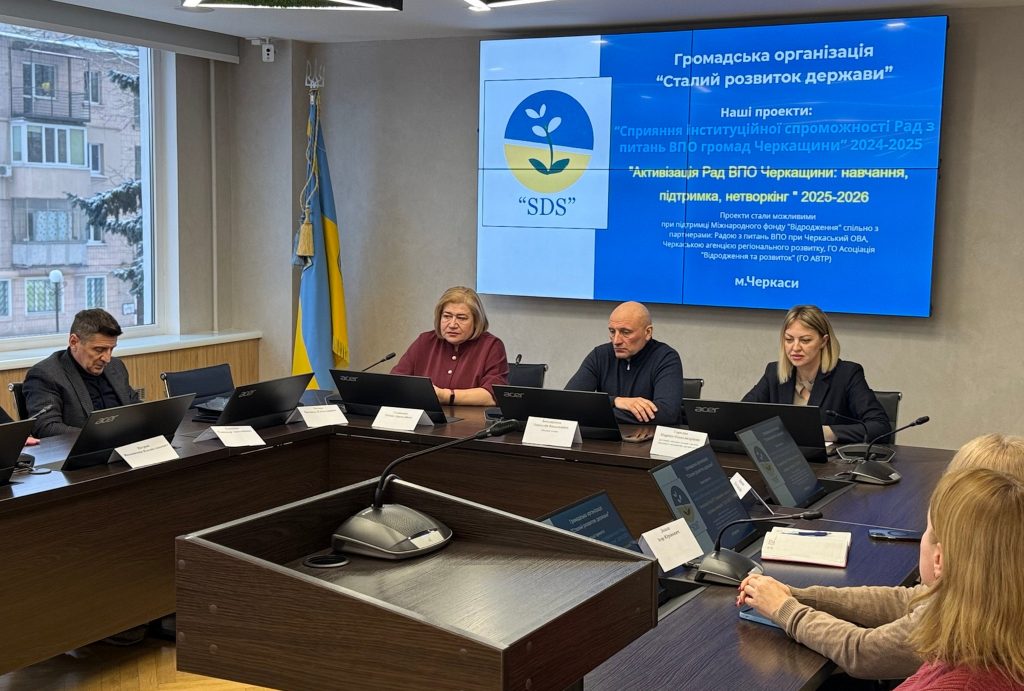
AVTR will continue strengthening its institutional capacity within The Impulse Project through 2027. The organization has gained long-term stability and opportunities for institutional development while continuing to support the communities it works with. This has enabled the team to operate in a more systematic way, especially amid the uncertainty that both civil society organizations and local residents continue to face because of the war.
Representatives of the organization emphasize that The Impulse Project is particularly important at this moment, as it allows organizations to grow and continue working in communities despite security risks and the challenges of long-term planning. Today, AVTR primarily works with communities that remain outside the focus of most initiatives. After relocating to Cherkasy in 2022, the team noticed that most civil society activity was concentrated in the regional center, while smaller and more peripheral communities often had less access to support and development opportunities.
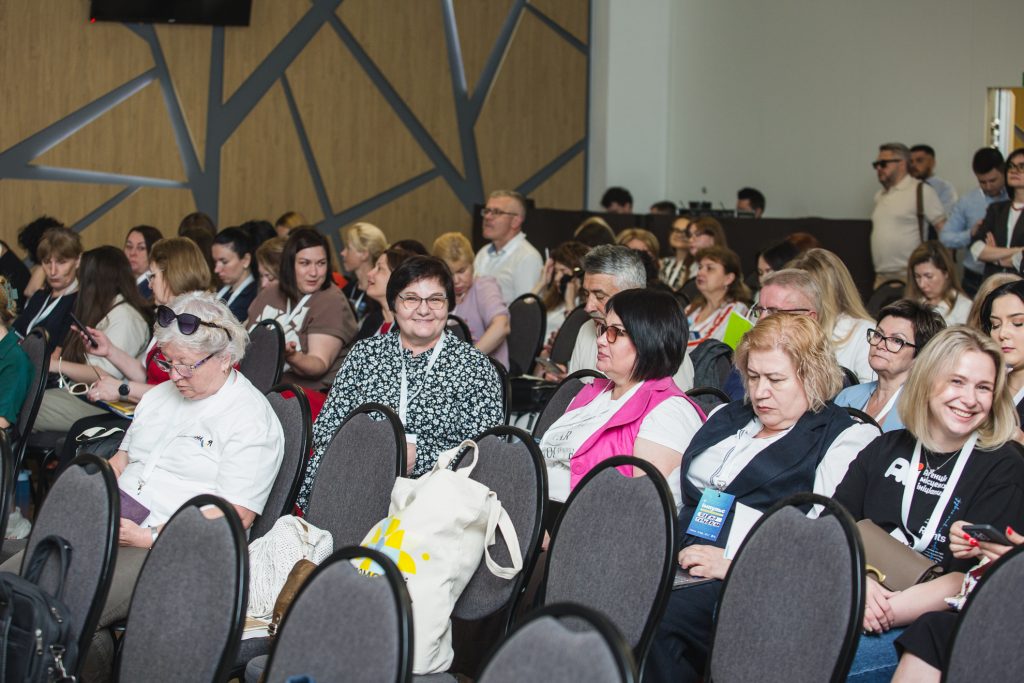
That is why the organization deliberately chose to work where there is a real demand for consultations, training, partnerships, and systematic support that AVTR can provide based on its experience working in Donetsk region and with displaced communities. Community representatives receive консультаційна support, participate in informational and educational activities, build connections, and gain access to professional expertise.
Within the project, the team focuses on its own institutional development while also deepening cooperation with partner communities. This goes beyond strengthening professional skills — it is about building stronger interaction, trust, and sustainable relationships. The greatest challenge remains the war itself, as it is difficult to make long-term plans when the security situation changes constantly. Nevertheless, the organization continues to work flexibly, adapting to circumstances, while communities remain willing to cooperate and search for solutions together. This mutual support is what makes it possible to continue the work despite security risks and the constant changes in the environment.
If your organization is already working for the benefit of your community and looking for opportunities to grow, The Impulse Project can become a space for support, learning, and partnership. Apply for the Small Grants Competition and join a community of teams that are already strengthening local communities and building the foundation for Ukraine’s recovery.

