The First Cohort of Impulse Thematic Grantees Reflects on Project Results: Key Lessons for Everyone Working on Early Recovery
Sometimes, it is school students who are the first to identify challenges in their communities. Displaced people can preserve and sustain a community even after losing their territory. And one of the biggest obstacles to progress is often not public indifference, but the inability to communicate lived experiences and explain why change matters. These are among the lessons shared by grantees from the first cohort of the Impulse Small Grants Competition one year after launching their projects.
In the first round of the competition, the expert council selected 16 teams that received grants of up to UAH 1.5 million to implement thematic projects focused on early recovery and strengthening the resilience of war-affected communities. Over the course of the year, civil society organizations worked on issues ranging from public participation in recovery processes and local security to urban planning, environmental protection and waste management, energy efficiency, healthcare, and support for internally displaced people and military families.
The initiatives were implemented across Sumy, Kyiv, Mykolaiv, Chernihiv, Kherson, Dnipropetrovsk, Kharkiv, Odesa, Zaporizhzhia, and Donetsk regions. For participating organizations, the program provided an opportunity to scale up their ideas, test new approaches to community engagement, and develop solutions that can be adapted to address similar challenges elsewhere. An equally important part of participating in Impulse was building new partnerships, strengthening organizational capacity, and learning from peers.
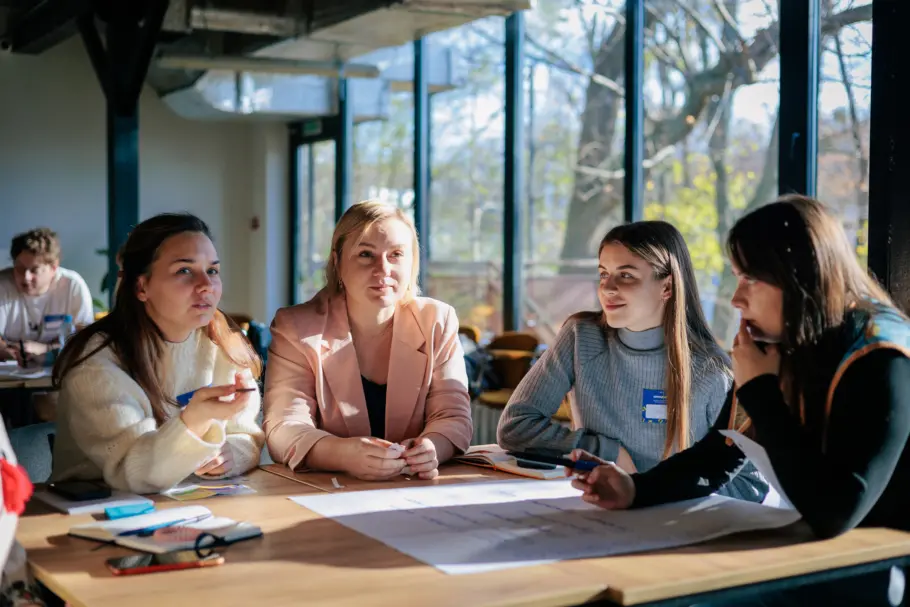
Today, most of these projects have been completed. To reflect on their achievements and lessons learned, the International Renaissance Foundation and the East Europe Foundation, which jointly implement the Impulse Project with support from Norway and Sweden, convened a closing meeting with participating civil society organizations.
Together, we discussed project results, the long-term impact of these initiatives on community development, and the lessons that can help the broader civil society sector rethink approaches to community recovery and engagement with local residents.
What Impulse Grantees Learned Over a Year of Project
One of the key lessons concerns the role of young people in shaping the future of their communities. Oleksandr Pidhornyi, Chair of the Board of the Chernihiv Human Rights Center, recalls that during discussions about the future development of Kyiinka village, high school students pointed out the need for sidewalks along roads where traffic poses a danger to pedestrians. Despite the obvious safety risks, the issue had gone largely unnoticed for years.
“The head of the community never mentioned it. Adults never mentioned it. But the kids said: there’s no sidewalk here, and people get hit by cars,” Pidhornyi recalls. In his view, this is exactly why it is critical to keep young people engaged in their communities and give them a real voice in decision-making.
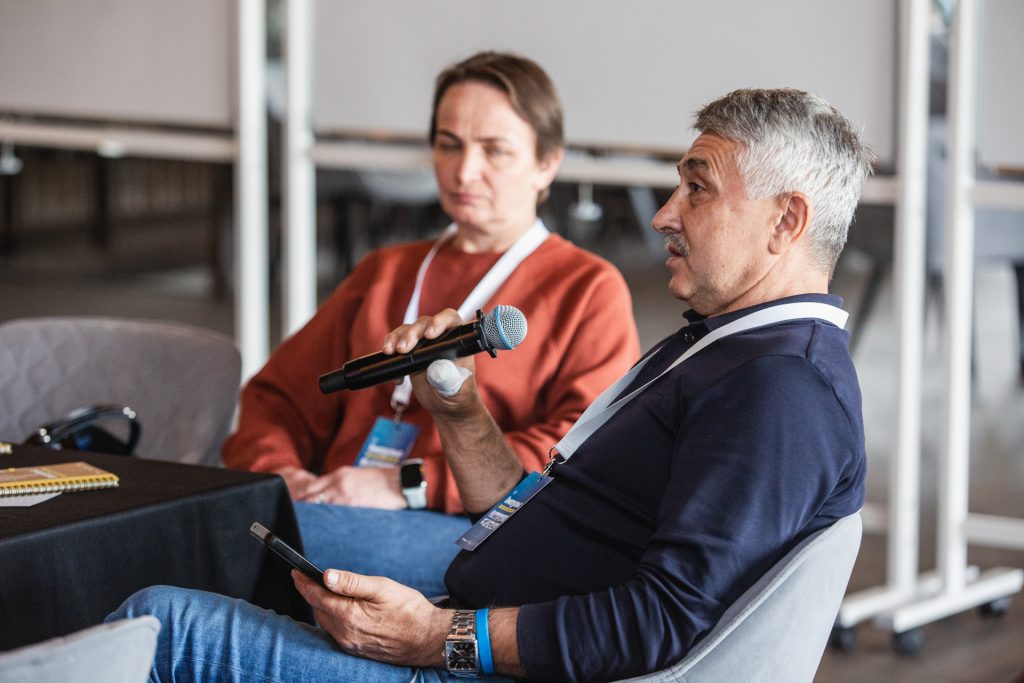
As part of the project, the organization worked to involve residents in defining recovery priorities for the Kyiinka community in the Chernihiv region. Through a series of public consultations, residents, civil society organizations, and local authorities jointly identified updated development priorities, ranging from safety and accessibility to veteran support, youth spaces, and community energy resilience. The project also helped establish a platform for ongoing dialogue and collaboration among local stakeholders.
For the team at Zero Waste Zaporizhzhia, one of the most important discoveries was the value of working with communities beyond their home city. In the fall of 2025, the organization launched the first season of a household waste composition study in Zaporizhzhia as part of the project. Before that, however, team members participated in specialized training, which revealed just how many people across different communities are willing to contribute to environmental change.
“We were used to thinking that in Zaporizhzhia, nothing gets done unless you personally know the right people. But once we started working with other communities, we saw how many active and motivated people there are, both in small towns and in larger cities, who genuinely want to work together. Previously, most of our work was focused on our own city. Now we understand that there’s no reason to build walls between ourselves and others,” said a representative of Zero Waste Zaporizhzhia.
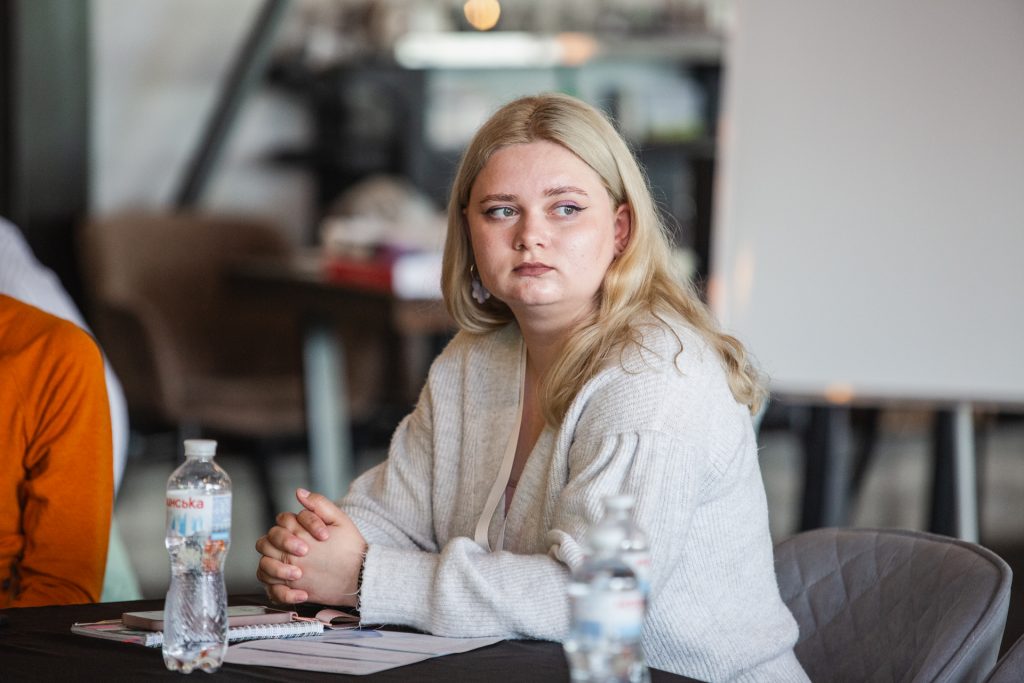
The organization is also a member of the Zero Waste Cities Alliance in Ukraine together with another first-round Impulse thematic grantee, Zero Waste Kharkiv. Through its Impulse-supported project, the organization partnered with the Derhachi community to launch a pilot initiative for centralized composting of organic waste.
The project introduced a system for collecting organic waste, established a dedicated collection route, and created a composting site. The resulting compost is being used for urban greening efforts. The team is also running an awareness campaign, organizing environmental education activities, and engaging local residents in shaping a new approach to waste management.
According to environmental expert and Head of Zero Waste Kharkiv Anna Prokayeva, the project aims to demonstrate that even small communities can successfully implement complex environmental solutions and become a model for other municipalities.
Participants also reflected on communication challenges when working with veterans, military personnel, and families affected by the war. Kateryna Miasnykova, Head of the National Media Association, noted that many civil society organizations begin their work feeling that society does not hear or understand them. Over time, however, the team came to a different conclusion: the challenge often lies not in a lack of empathy, but in the difficulty of explaining personal experiences to people who have never lived through them.
“The problem is what psychologists call the ‘curse of knowledge.’ If I know what hurts me, I assume it should be obvious to everyone else. But too often, we expect understanding without having a real conversation. Until we learn how to explain our experiences, even the most important issues may go unheard,” she said.
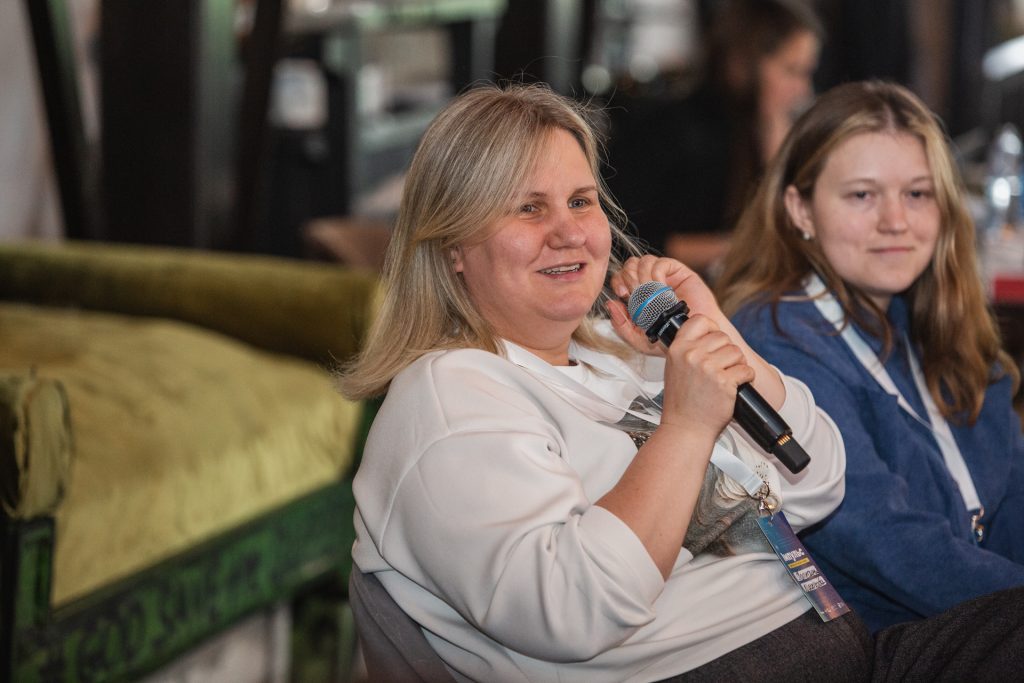
As part of the project Turn Up the Volume: From Voice to Action. Strengthening Communities Through Advocacy and Media, the National Media Association worked with six civil society organizations from the Sumy, Odesa, and Kyiv regions. Together with experts, participants learned how to transform local initiatives into advocacy campaigns, engage target audiences, and build partnerships with media outlets so that complex social issues could become more visible and accessible to a broader public.
For representatives of displaced communities, one of the most important lessons was a rethinking of what a community actually is. A representative of the Crisis Media Center “Siverskyi Donets” emphasized that a community continues to exist even after losing its physical territory, as long as horizontal connections between people remain intact.
As part of the project, the team created an interactive map of self-organization within the Sievierodonetsk community in displacement. The map brings together information about where residents currently live, relocated businesses, civic initiatives, and local hubs of activity. It serves as a practical tool for reconnecting people, building partnerships, and coordinating collective efforts.
According to another grantee, Urbanization, one of the key lessons learned is the need for a shift in how residents view their role within a community. This means moving away from the mindset of a passive recipient of services and toward an understanding of one’s ability to influence local development and take responsibility for the surrounding environment.
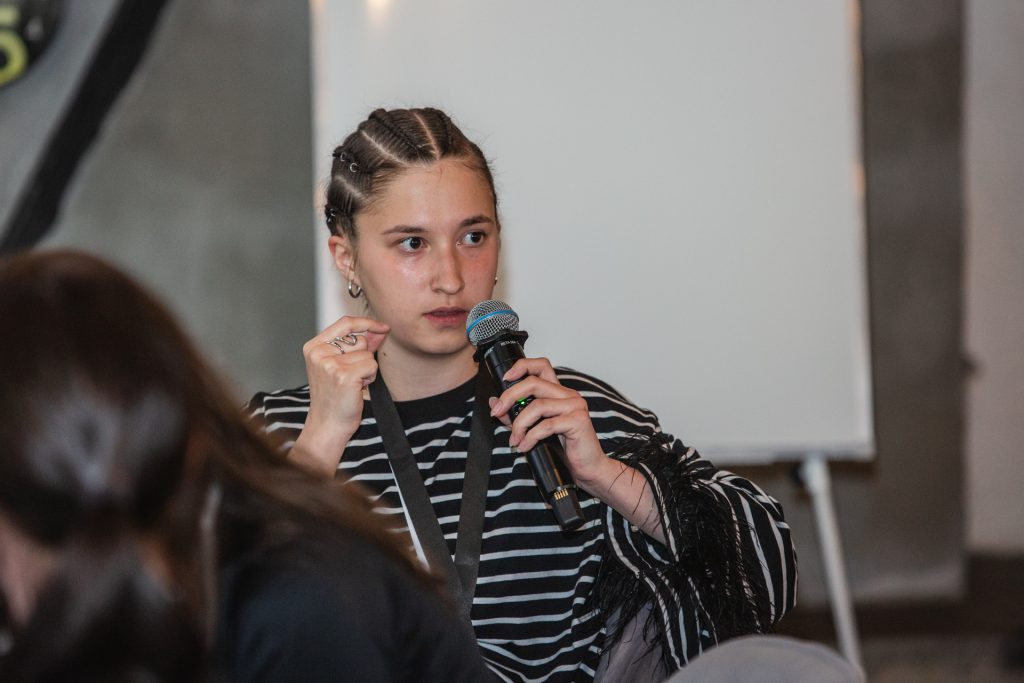
“The most important change that needs to happen right now, especially for young people and the generation that will rebuild the country, is a shift in mindset. We need to move from thinking, ‘I’m just a consumer,’ to understanding, ‘I’m someone who can create.’ We felt this very strongly throughout the year. Even during the war, when many projects and initiatives are put on hold, we have to keep moving forward because the challenges we’ll face after the war will only grow. One thing we can do right now is change the way people think through education and hands-on experience,” said Kira Zihanshyna, a representative of the organization.
Through the Urban Lab project, the team worked to engage young people in rethinking urban spaces, learning about urban development, and taking a more active role in shaping their communities.
Representatives of the Mission Kharkiv Charitable Foundation shared a different lesson: there is no such thing as a small project when a team has a clear understanding of whom it serves and why its work matters. Through the project Community Voice: Stress, Cancer, and the Right to Health, the team examined how the chronic stress caused by war affects cancer patients living in frontline communities in the Kharkiv and Sumy regions. The organization conducted patient surveys, held focus groups with healthcare professionals, and analyzed systemic barriers to accessing diagnosis and treatment.
Based on the findings, the team produced an analytical report and a set of practical recommendations for the healthcare system. They also organized information sessions in local communities and roundtable discussions involving healthcare professionals, government representatives, and residents.
For the Obiednannia Charitable Foundation, which studied risks and safety challenges in Kherson and the Chornobaivka community, one of the project’s most valuable outcomes was not only the research itself but also the experience of organizational development and learning gained throughout the process.
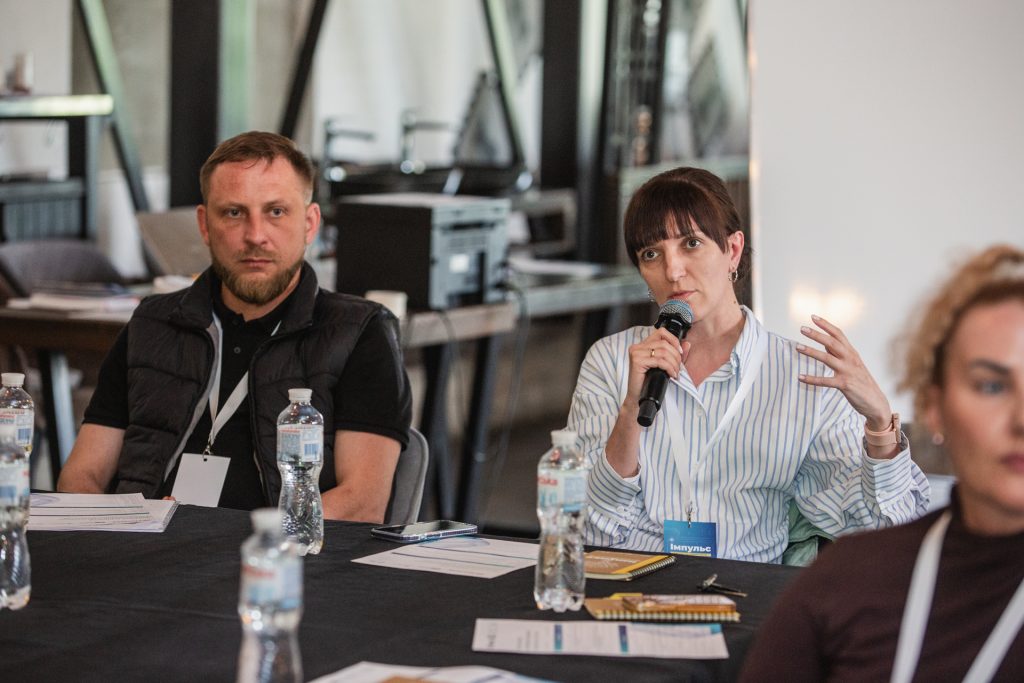
As part of the project, the team worked with local residents and focus groups to identify nearly 50 risks facing their communities, ranging from security and socioeconomic challenges to psychological and governance-related issues. These included a shortage of shelters, limited access to healthcare, corruption risks during reconstruction, widespread psychological exhaustion, and the potential for future tensions within communities.
At the same time, the organization participated in institutional development training and consultations provided through Impulse. According to the team, this support helped them take a broader view of their work and identify areas for growth that had previously gone unnoticed.
“We haven’t had this many trainings and workshops focused on organizational development in a long time. At times it even felt like a lot, but in reality it was incredibly valuable. It helped us highlight areas that we continue to develop today because, before that, we simply weren’t looking in the right direction,” said Anastasiia Hryshko, the Foundation’s Executive Director.
Explore the results of other projects from the first round of Impulse thematic grants:
• An initiative by the NGO Against Corruption that engaged residents of the Bereznehuvate community in recovery planning and decision-making;
• A pre-development consultation process for a housing neighborhood for internally displaced people from Bakhmut, led by the NGO Fortress Bakhmut;
• The adaptation of community resilience strategies in Kamianske by Ro3kvit Urban Coalition for Ukraine;
• Touch for Recovery, a project by the Ukrainian Institute of International Politics focused on recovery and European integration;
• An initiative by the Information Center “Maidan Monitoring” that analyzed risks and helped three communities in the Kharkiv region prepare for high-quality recovery efforts;
• A project by Ukraine Support Team to prepare technical documentation for the energy-efficient recovery of the Ivanivka community in the Chernihiv region;
• A project by the Institute for the Development of Public Innovations focused on local revitalization strategies for communities in the Odesa region.
If you have your own idea for a project that can contribute to community recovery and resilience, we invite you to join the Impulse grantee community. Apply to the fifth and final round of the Small Grants Competition for civil society organizations ready to work in the 15 Ukrainian regions most affected by the war.