Achievements & Risks of Parliamentary Diplomacy in Ukraine: ALI Presents New Study
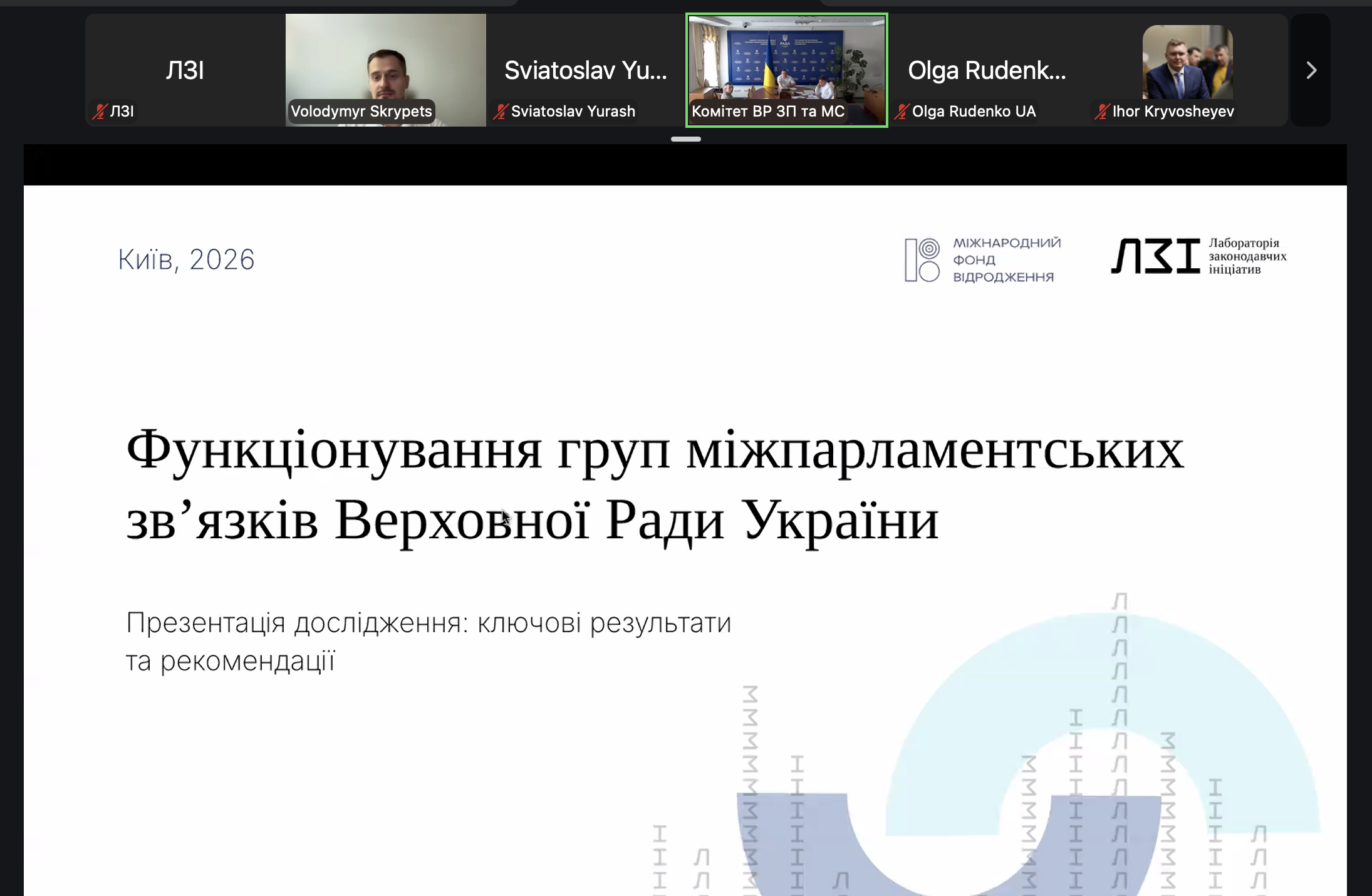
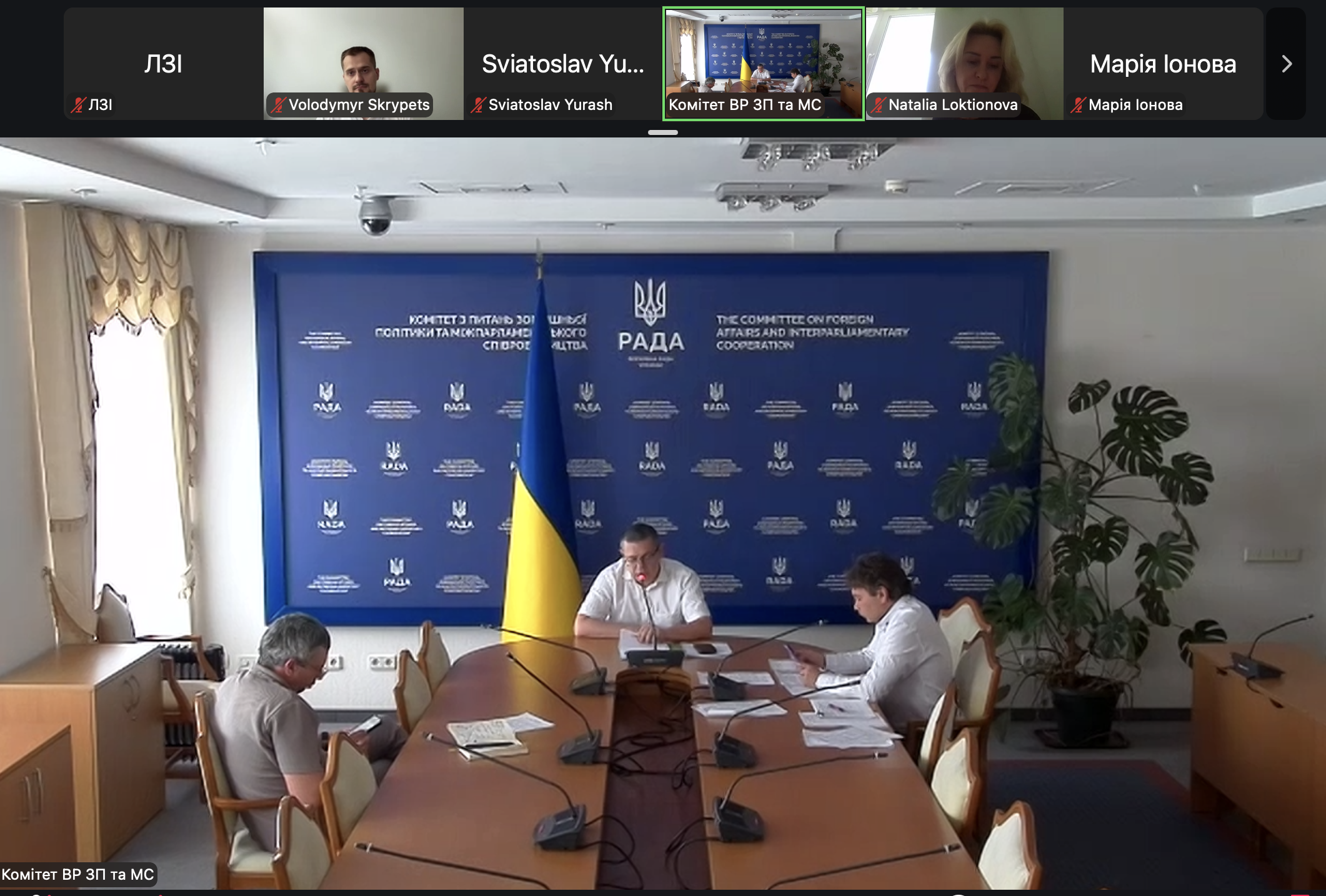
On 11 August, the Agency for Legislative Initiatives (ALI) presented a study on the functioning of the Verkhovna Rada of Ukraine’s parliamentary groups on interparliamentary relations at a meeting of the Verkhovna Rada Committee on Foreign Policy and Interparliamentary Cooperation. This is the first comprehensive overview of how these groups operate during the full-scale war, aimed at documenting how parliamentary diplomacy functions at the systemic level and identifying the key challenges in this area.
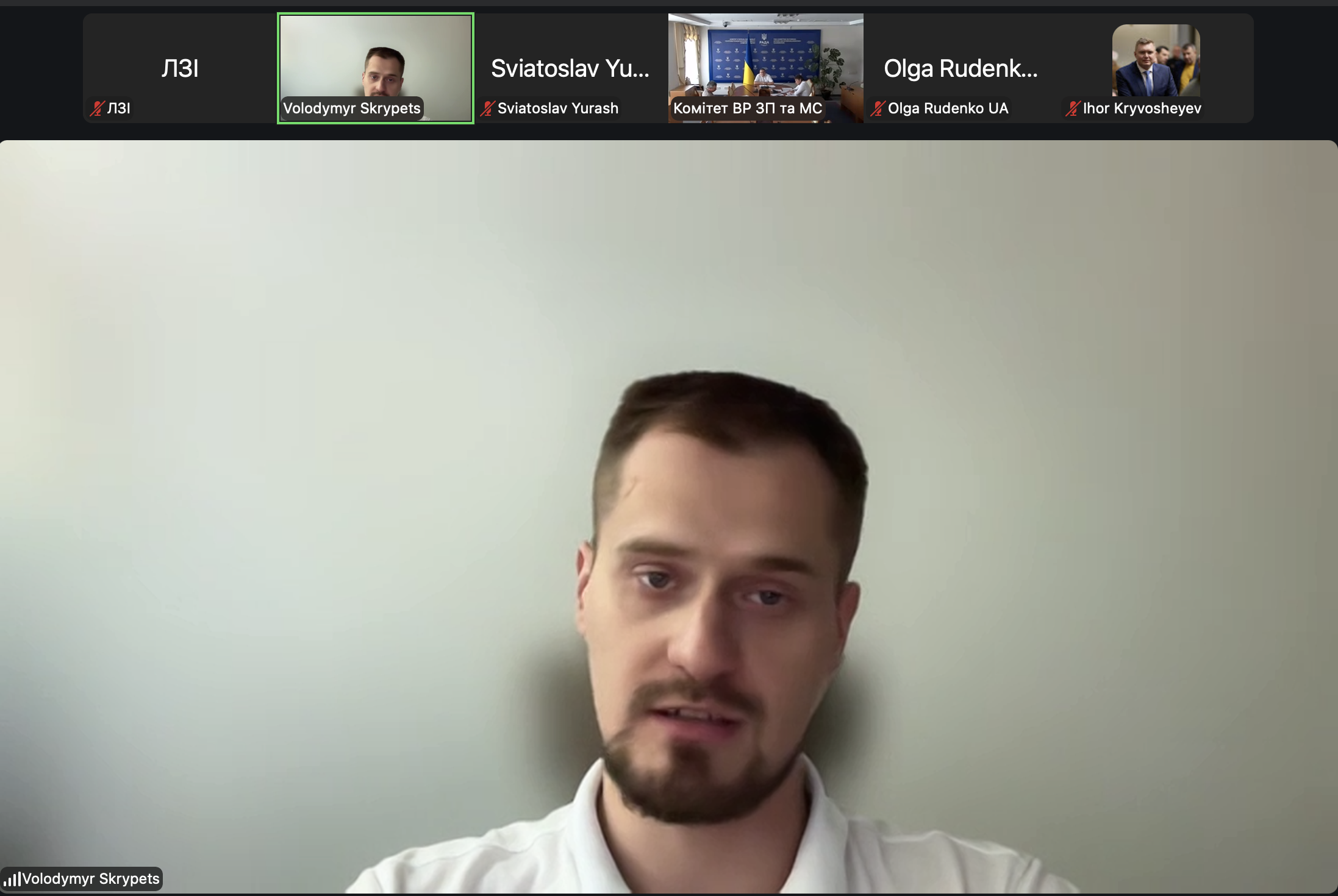
Volodymyr Skrypets, Analytics Lead at ALI, noted that the study combines three components: ALI experts interviewed Members of Parliament of Ukraine, parliamentarians from partner countries and Ukraine’s ambassador to an EU Member State; analysed 43 annual reports of friendship groups with EU countries for 2022–2025; and examined international experience.
The increased activity of friendship groups following the start of the full-scale invasion has produced tangible results — in particular, the geography of interparliamentary engagement has expanded. Ukraine has obtained, or begun the process of obtaining, observer status in parliamentary assemblies to which Ukraine previously had limited access. The work of friendship groups has also helped maintain the international coalition in support of Ukraine, advocate for decisions on military, political and humanitarian assistance and organise visits by foreign parliamentarians to de-occupied territories and frontline regions.
At the same time, ALI identified five risks in the functioning of the groups — (1) funding, (2) reporting, (3) coordination, (4) competence and (5) communication and competition. All of them require more sustainable institutional practices to ensure that the progress made is not lost.
The most effective resource of Ukrainian parliamentary diplomacy is MPs’ personal contacts.
“What distinguishes parliamentary diplomacy from traditional intergovernmental diplomacy is precisely its flexibility and speed, which the Ministry of Foreign Affairs cannot match. It is more about people-to-people connections — shared history, meetings, trust and informal access to the right interlocutor. At the same time, the structural vulnerability is that such contacts are difficult to pass on to other MPs or from one parliamentary convocation to the next. It is therefore important to build an approach that helps preserve this resource.”
Volodymyr Skrypets
Analytics Lead at ALI
Another challenge for parliamentary diplomacy is the overall weakness of the reporting system and the absence of a single reporting standard. MPs tend to regard reporting as a formality, while Parliament loses the opportunity to accumulate and pass on institutional memory and better coordinate further action. To address this, ALI has developed ready-to-use reporting templates.
Oleksandr Merezhko, Chair of the Verkhovna Rada Committee on Foreign Policy and Interparliamentary Cooperation, emphasised the value of standardising the reporting format for parliamentarians.
“The study by the Agency for Legislative Initiatives has a genuinely strategic dimension and systematises many aspects that we will take into account in our parliamentary diplomacy.”
Oleksandr Merezhko
Chair of the Verkhovna Rada Committee on Foreign Policy and Interparliamentary Cooperation
ALI also provided recommendations to the Verkhovna Rada on embedding institutional solutions in the field of parliamentary diplomacy: for Members of Parliament and friendship groups, for the Secretariat of the Verkhovna Rada and for the parliamentary committees responsible for foreign policy and European integration.
The study was prepared with the support of the International Renaissance Foundation. This material represents the views of the authors and does not necessarily reflect the position of the International Renaissance Foundation.
Read the study on interparliamentary diplomacy