Volunteering in Ukraine: How People Come Together to Help
Volunteering has become an integral part of life in Ukrainian communities. Some people help rebuild damaged homes, while others support children, older people and internally displaced persons (IDPs). Others work with veterans and their families or organize emergency assistance wherever it is needed most.
All of these activities are forms of volunteering, even though they can look very different.
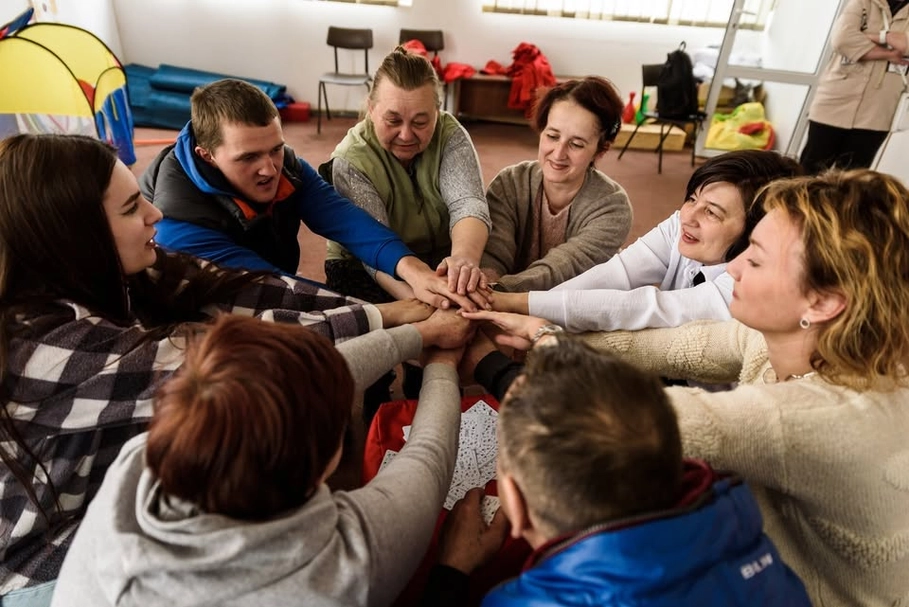
The diversity of volunteering practices is one of the reasons why the movement remains resilient. For some organizations, volunteers are at the heart of everything they do. For others, volunteering is an important part of a broader mission, complementing professional services, advocacy, community development or support for people affected by war.
The International Renaissance Foundation supports a range of models of civic engagement and volunteering. The organizations featured in this article are grantees of the Impulse Project, implemented in partnership with the East Europe Foundation and funded by Norway (Norad) and Sweden (Sida). These are just a few examples, not an exhaustive overview of Ukraine’s volunteering landscape.
Dobrobat: The philosophy of bringing people together
One of the defining features of volunteering in Ukraine is people’s ability to quickly come together around a specific need. This became particularly evident after Russia launched its full-scale invasion.
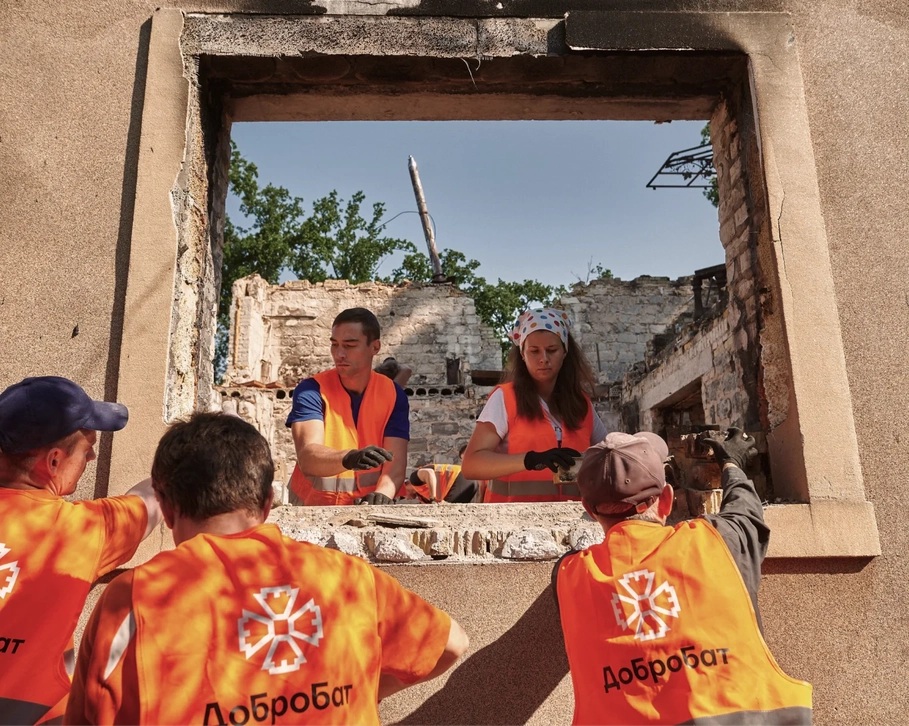
Founded in 2022, Dobrobat is a volunteer construction battalion that helps restore homes and social infrastructure damaged by the war, particularly in de-occupied territories. Today, it brings together more than 60,000 volunteers who travel to affected towns and villages across 14 regions of Ukraine. They help clear rubble, repair homes and support local residents.
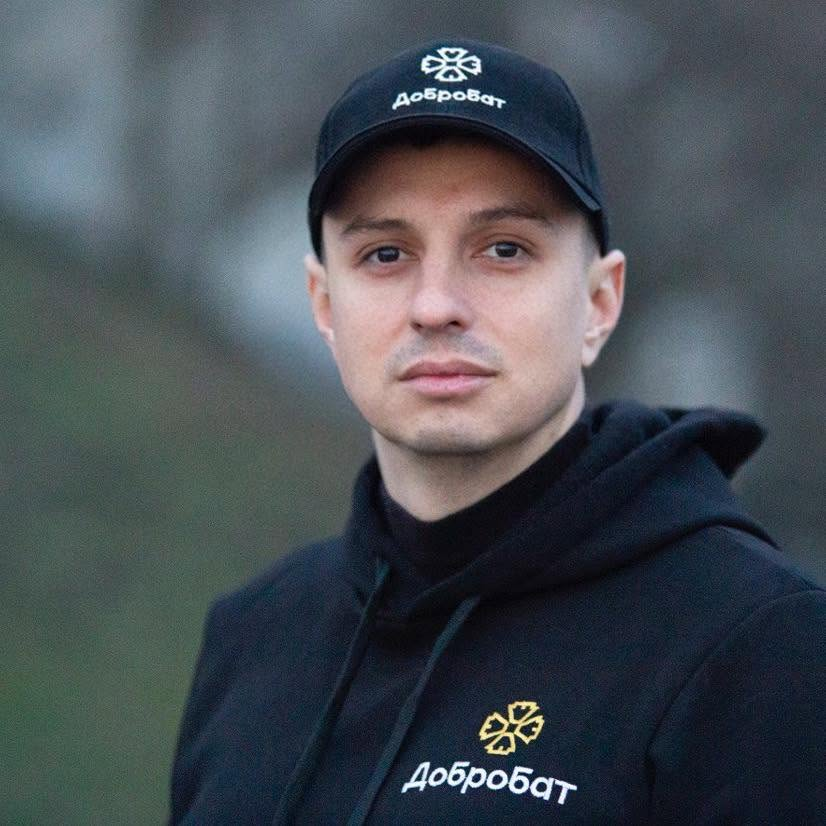
“I call Dobrobat a philosophy of bringing people together. It brings together people of different professions and generations. People helping people,” says the organization’s head, Dmytro Ivanov.
According to Ivanov, volunteering with Dobrobat is not limited to physical work. People can also contribute their professional expertise or support the organization in other ways.
Speed is another essential part of this work. For example, Dobrobat has provided immediate medical and psychological assistance to people affected by Russian attacks.
“It is about giving people hope that they have not been abandoned, especially in small and remote communities,” Ivanov says.
At the same time, working together helps build a distinct volunteer community. Dobrobat organizes both formal and informal meetings and events, while volunteers maintain ongoing connections with one another.
In this way, large-scale volunteering does more than help communities respond quickly to the challenges of war. It also creates a community of like-minded people united by shared values.
“Volunteering is like falling in love: it comes when you least expect it”
For some organizations, volunteering is the foundation of their work. They create opportunities for people to help others on a regular basis, regardless of any particular emergency or event.
Such activities may focus, for example, on supporting children, older people and other groups who need care and attention.
This is the approach taken by the Charitable Foundation “Fundatsiia Volontery Bez Kordoniv” (Volunteers Without Borders Foundation), the Charitable Organization “Volontery: Dorosli-Dityam” (Volunteers: Adults for Children), and several other organizations supported by the Foundation.
Their experience shows that volunteering does not necessarily have to be a response to a crisis. It can instead become a regular part of everyday life — an opportunity to give others your time, share your knowledge and skills, and support those who need it.
Olena Honcharenko, co-founder of the Volunteers Without Borders Foundation, based in Zhytomyr, says her volunteering journey began in 2013. At the time, she was raising funds for children’s medical treatment, supporting orphanages and helping women facing difficult life circumstances.
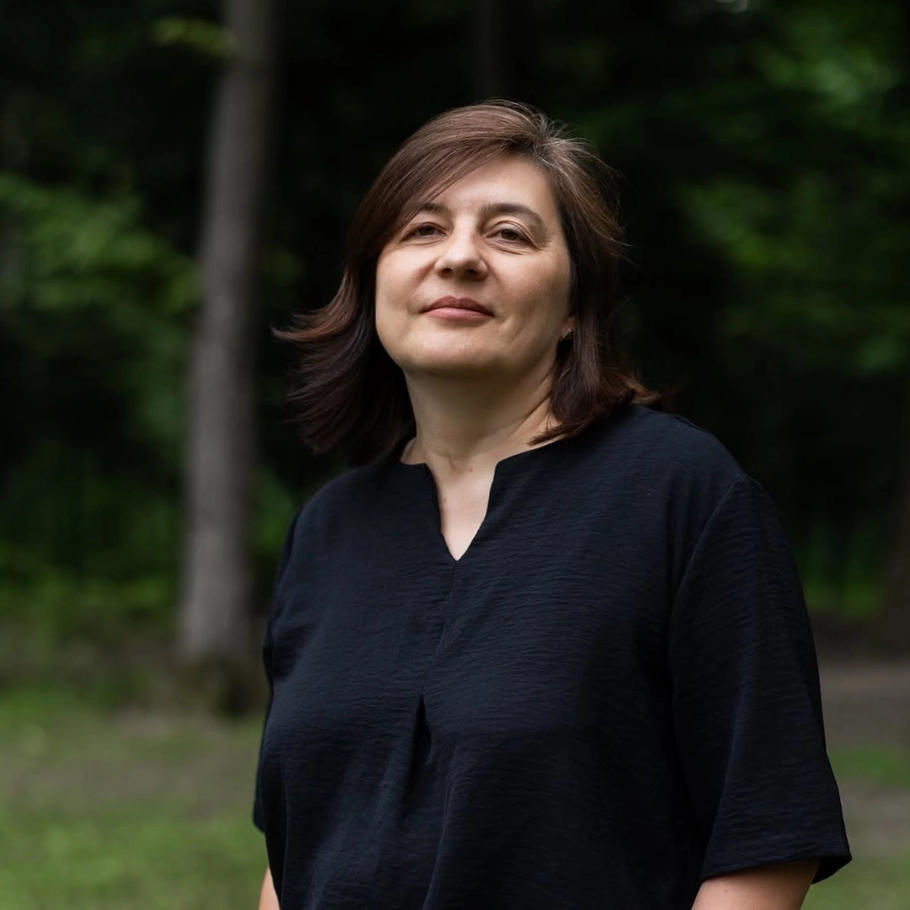
“You know, it is like falling in love — it comes unexpectedly, when you least expect it. Volunteering is the same. Once it touches your heart and you experience the joy of what you do, something inside you says: ‘I want to keep doing this!’ And once you have felt that, it is impossible to let go of that feeling,” Honcharenko shares.
Over time, the organization expanded its activities. Russia’s full-scale invasion changed people’s needs, and the Foundation had to respond. Internally displaced people began reaching out for help. Volunteers provided clothing and food and started preparing hot meals. This work continues today, with around 60 families receiving ongoing support from the Foundation.
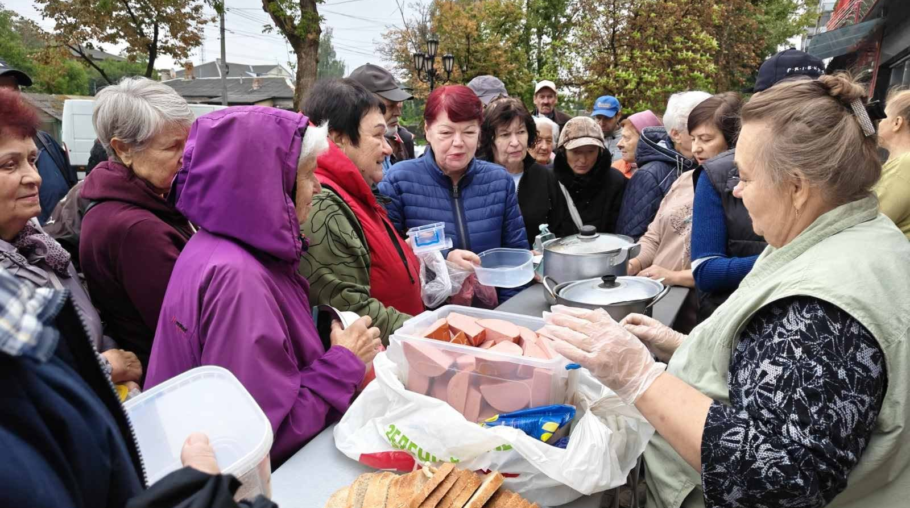
Honcharenko says volunteering often brings together people who share similar values and a desire to help.
“I believe many volunteers share the idea that people are drawn to the energy you put out. When you share your energy, you tend to attract people who are like you. We have a teacher, Natalia Vasylivna, who once came to run a single workshop. She held it — and stayed with us. It has been more than six years now, I think.”
She also points out that people can contribute different amounts of time, depending on their availability. Activities range from attending events and running workshops to working directly with people or fundraising.
For Honcharenko, the greatest motivation is seeing how the support they provide makes people’s lives better.
Volunteering as part of a broader mission
Today, one of the most common models of volunteering in Ukraine’s civil society sector is when an organization is not exclusively volunteer-based but involves volunteers in its activities. This approach is used by NGOs, charities and foundations that provide humanitarian assistance, support people, develop communities, work with young people or advocate for human rights.
Among the organizations supported by the Impulse Project are the “Vitry Zmin” (Winds of Change) Charitable Foundation, the “Persona” NGO, the “Bery i Slav” NGO, the “Rubikon Voli” Charitable Foundation, the “DAP” NGO, “Zero Waste Kharkiv” and dozens of others. They involve volunteers wherever additional hands, knowledge or experience can make their work more effective.
In this model, volunteers do not necessarily become permanent members of an organization’s team. They may join a particular campaign, project, event or task — for example, helping spread information, taking part in a community clean-up or delivering humanitarian aid.
Volunteering thus becomes a bridge between civil society organizations and local communities. Organizations gain additional resources and capacity, while people have an opportunity to participate in civic life and see the impact of their own contributions.
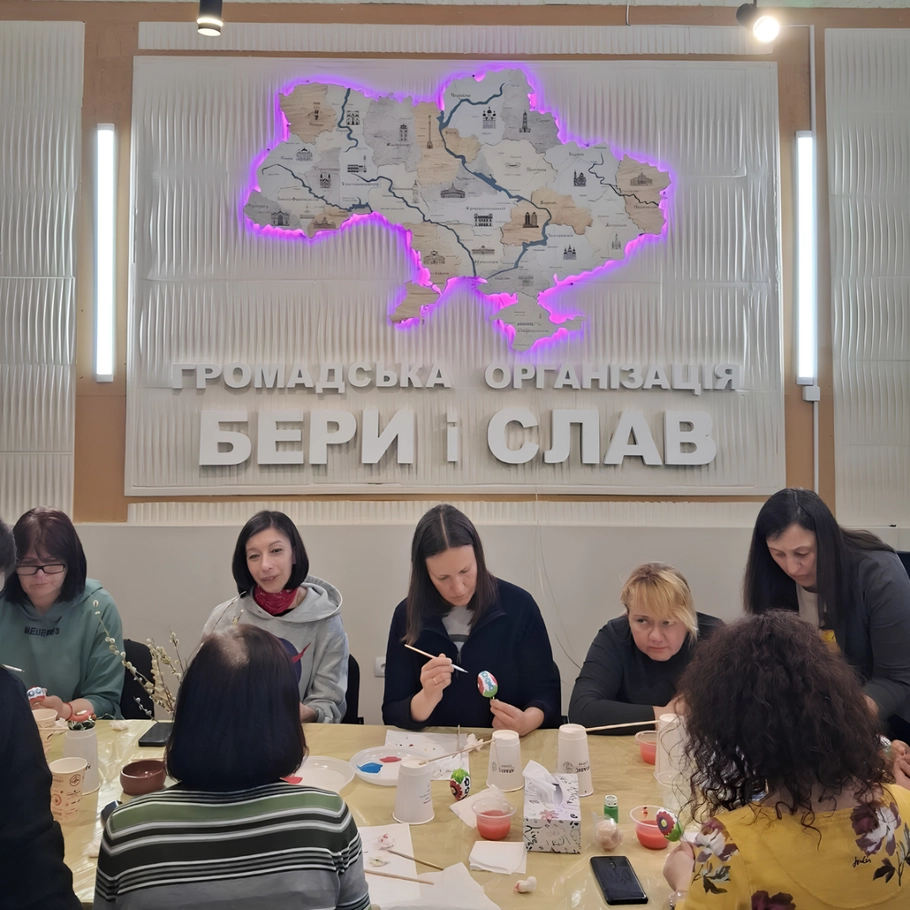
The “Bery i Slav” NGO, founded in 2021 in the Kherson region, has made volunteering an important part of its work since the beginning of Russia’s full-scale invasion. In 2022, its volunteers provided humanitarian assistance to people in need. Today, the organization works with women and other vulnerable groups, helping them access information, psychological, legal and economic support, as well as opportunities to participate in community life.
According to Nataliia Starodubets, head of the “Bery i Slav” NGO, volunteers living directly in communities located in areas of active hostilities are particularly important to their work. They collect information about residents’ needs, conduct surveys and organize information sessions.
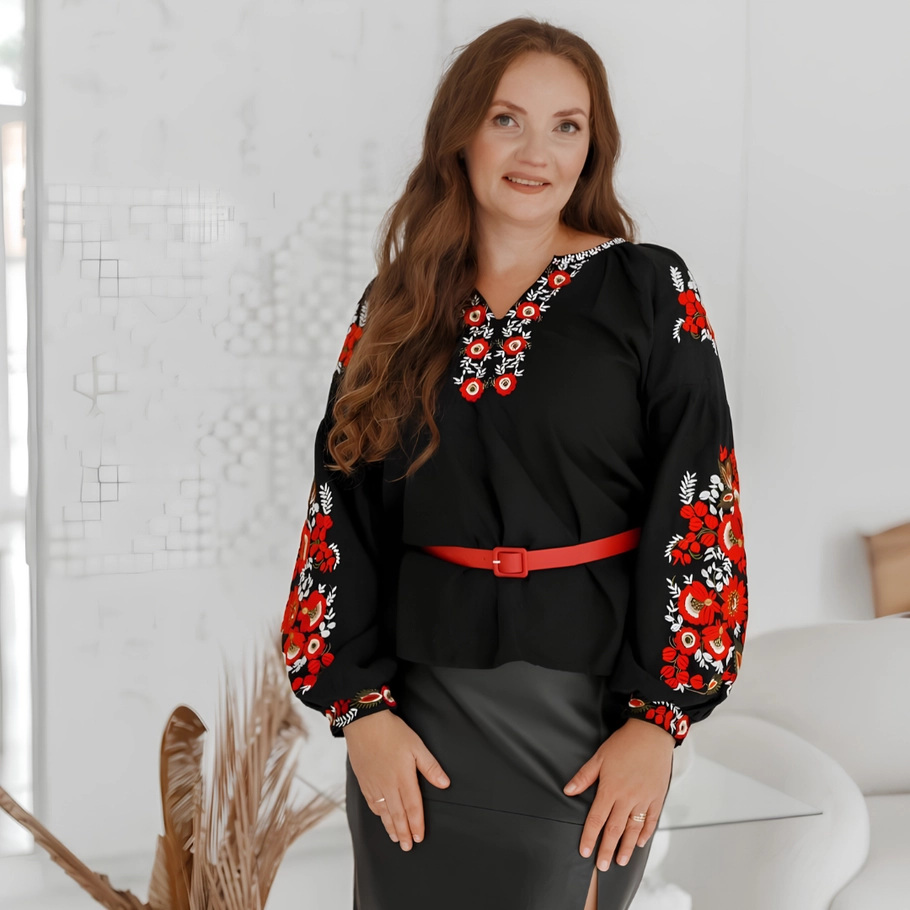
“Volunteers help us communicate with residents, organize events and serve as a bridge between the community and our organization,” Starodubets explains.
Another example is the “Rubikon Voli” Charitable Foundation, which brings together veterans and their family members. The organization was initially established on a volunteer basis. Today, its activities involve veterans, their relatives, students and others who care about these issues. Its community includes more than 80 people.
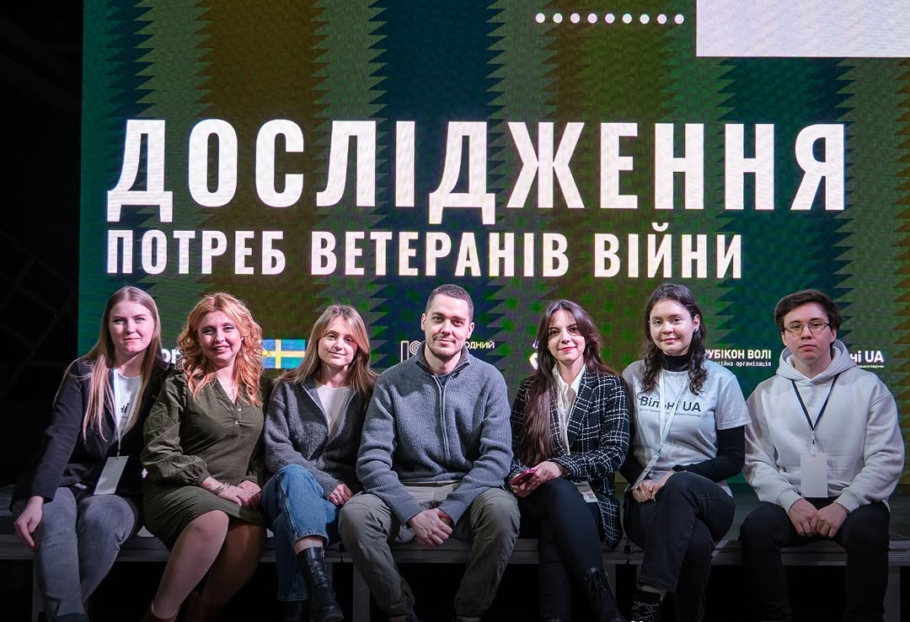
“Most of our volunteers follow the principle of peer-to-peer support. They are either family members of veterans or veterans themselves,” explains Valeriia Yalukova, project manager at Rubikon Voli.
Inna Savina, the organization’s co-founder and psychologist, believes that involving students is particularly valuable. Many are interested in working with veterans and want to gain practical experience.
As part of the Impulse Project, the organization provides training for students specializing in psychology and rehabilitation. After completing the training, they can join the organization’s events, help the team deliver them and take on organizational tasks.
“We do a lot of psychoeducation. We explain to young people and professionals working with veterans how to approach this work appropriately and how best to support them. The willingness to help is there, but sometimes people lack the right tools,” Savina says.
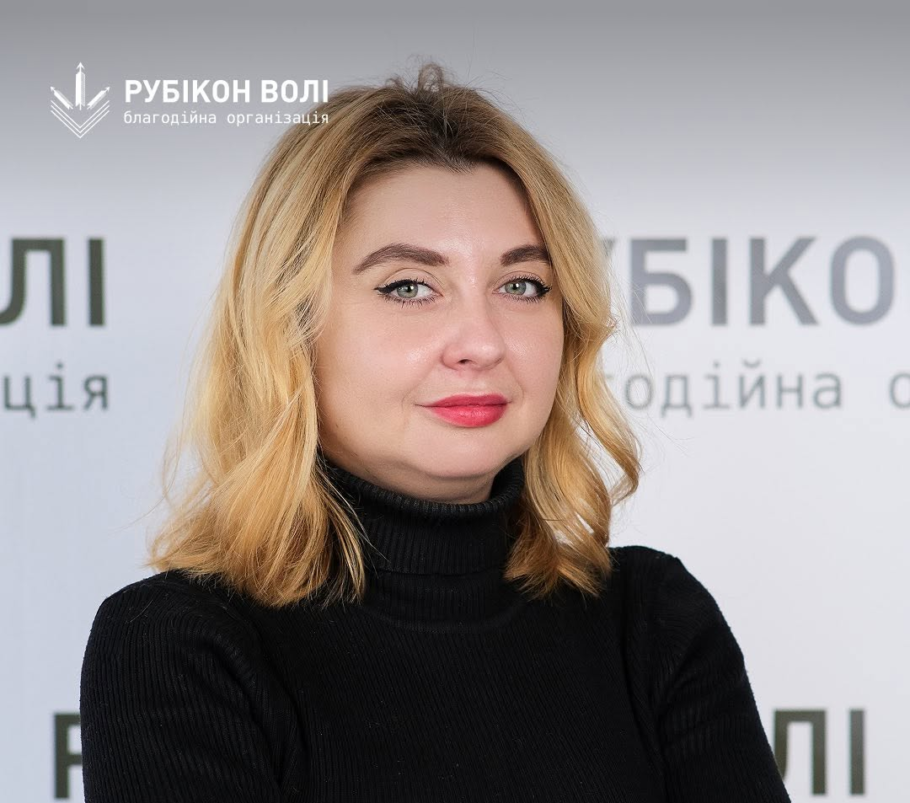
Rubikon Voli’s volunteer activities also contribute to preparing society for the return of a large number of veterans. The organization helps people understand their combat experience and learn how to interact with them.
“Society needs to adapt to these people and to the fact that they are returning. People need to understand that veterans now have a different kind of experience — combat experience — and that we need to communicate and interact with them appropriately and respectfully,” says Valeriia Yalukova.
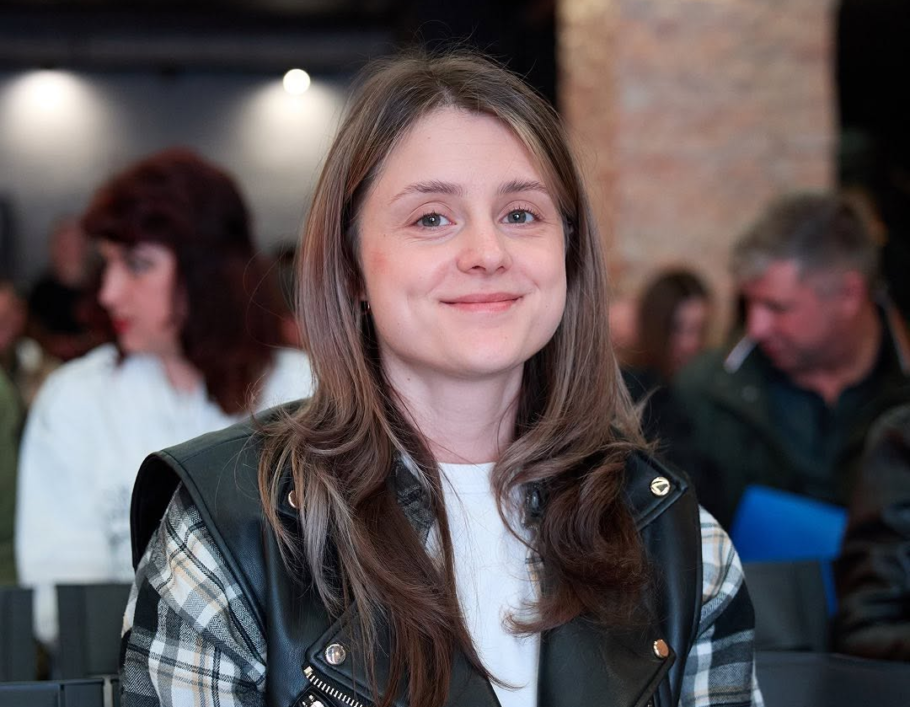
By supporting different organizations and models of civic engagement, the Impulse Project helps foster a culture of mutual support, civic participation and resilience in Ukrainian communities.
The stories featured here represent only a small part of a much broader picture. Yet Ukraine’s experience shows that volunteering cannot be reduced to a single format or model. There is no one right way to volunteer. Every form of engagement matters, and every contribution makes a difference.
The Impulse Project is implemented by the International Renaissance Foundation in partnership with the East Europe Foundation, with support from Norway (Norad) and Sweden (Sida).