
A “Veterans’ Care Center” has opened at the relocated Sieversk Donetsk Hospital
On August 4, in the city of Ukrainka in the Kyiv region, a Veterans Care Center was opened at a hospital that had been relocated from Sieverskodonetsk.
The facility moved from Sieverskodonetsk in 2023, and part of the team continued working at the new location. After the relocation, the hospital essentially had to rebuild its operations from scratch: it refurbished the premises, reestablished work processes, and sought partners for renovations and equipment purchases.
Today, the hospital in Ukrainka provides medical care, particularly to service members undergoing treatment and rehabilitation. The opening of the “Space of Care” marks the continued development of the facility as a place where patients receive comprehensive support.
This is a new, barrier-free space for male and female veterans, service members, and their families, where they can receive counseling, guidance, and assistance with organizational, social, and medical issues during treatment and recovery. Here, they will receive help navigating the next steps after an injury and obtaining information about necessary services.

The space is quite large and functional. It includes a common area where patients and specialists can interact, receive initial consultations, socialize, and wait for their appointments in comfortable surroundings. A separate psychologist’s office has been set up for individual sessions with service members and veterans.
The facility is fully designed with accessibility in mind: there is space for wheelchairs to maneuver, and a barrier-free restroom has been installed, ensuring the space is accessible to all patients without exception. The hospital employs a veteran support specialist—a veteran with firsthand experience of military service and recovery—who helps patients navigate their treatment and rehabilitation journey.
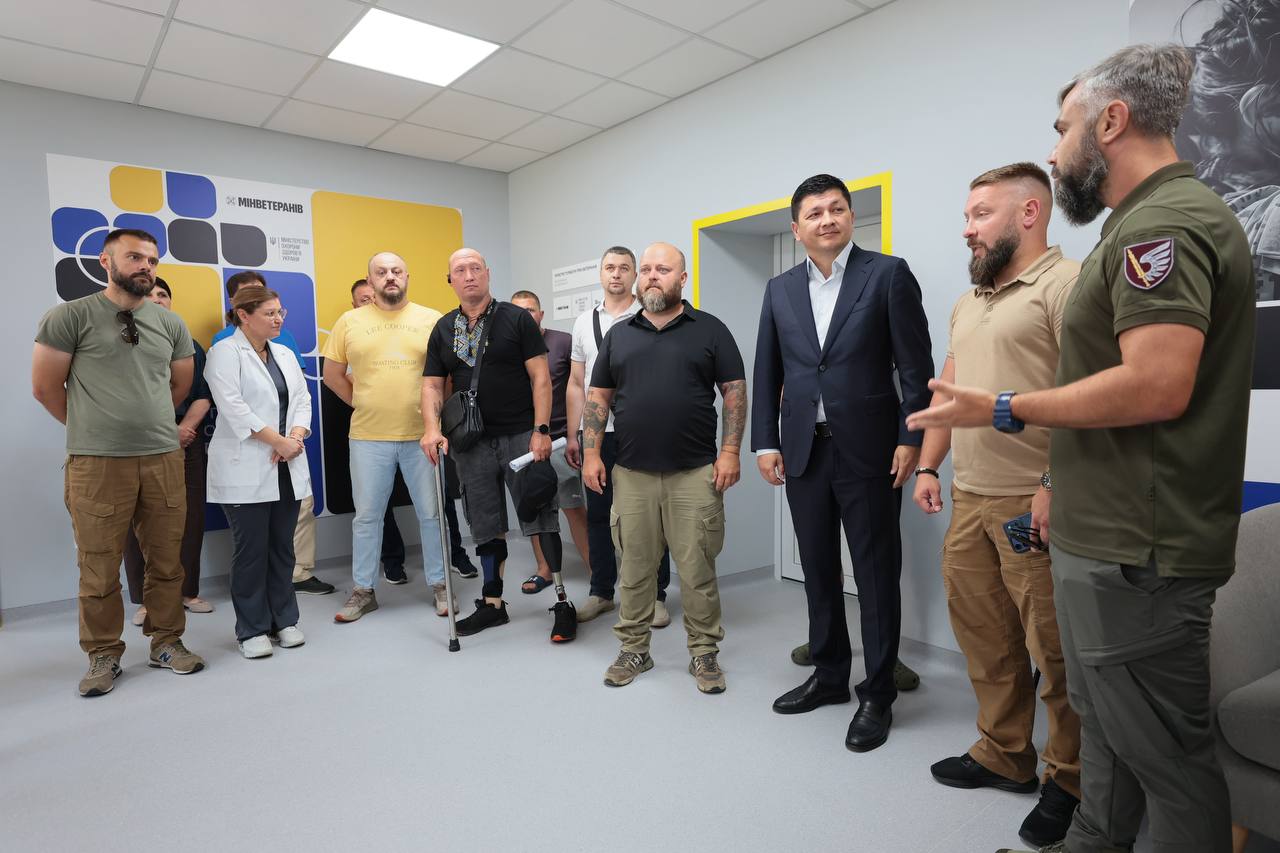
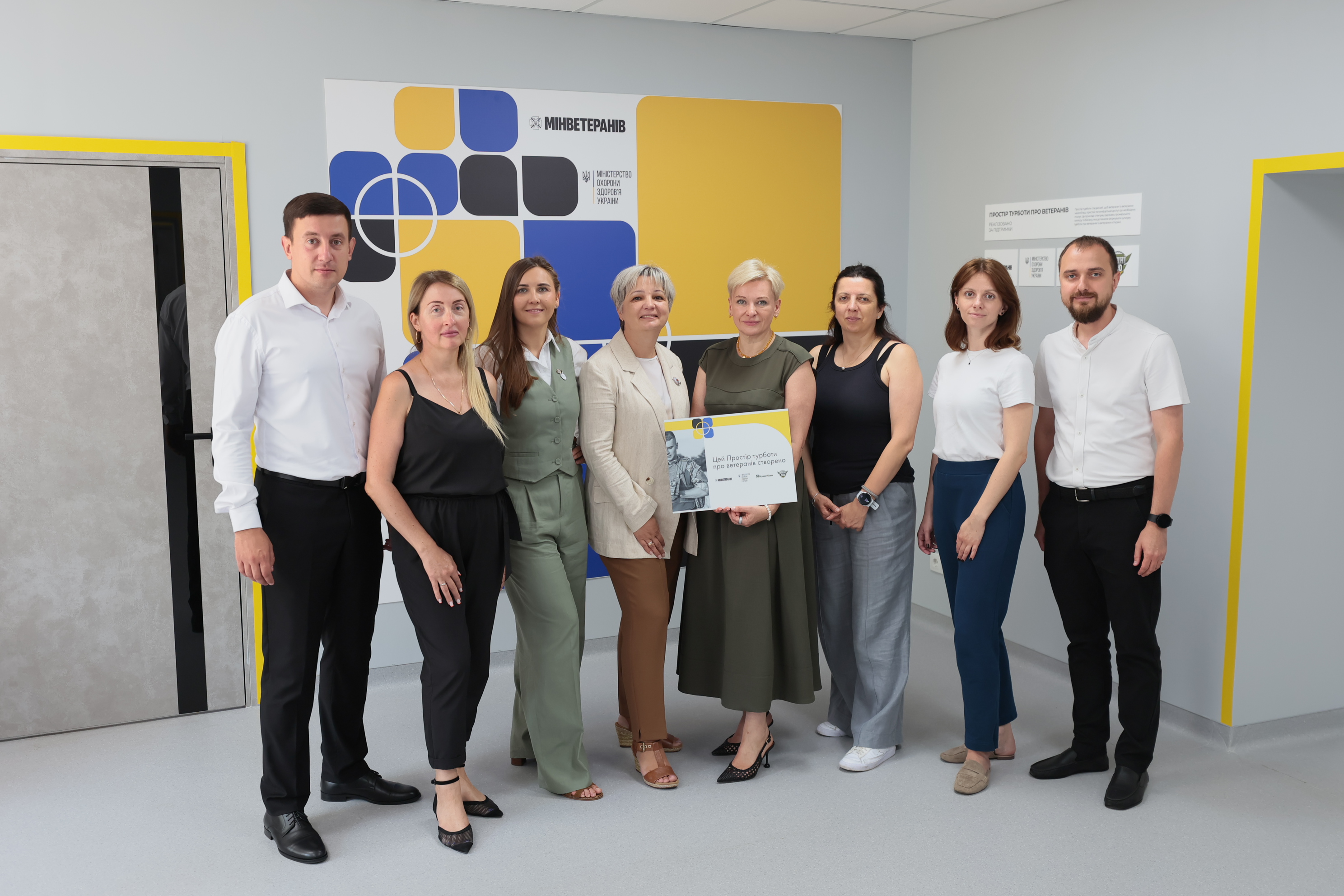
Teams from the “Spaces of Care for Veterans” project—which is being implemented by the Ministry of Veterans Affairs and the Ministry of Health of Ukraine in partnership with the NGO “Union of Veterans and Wounded Soldiers ‘The Strong 300’” and with the support of JSC CB “PrivatBank” and operational support from the International Renaissance Foundation.
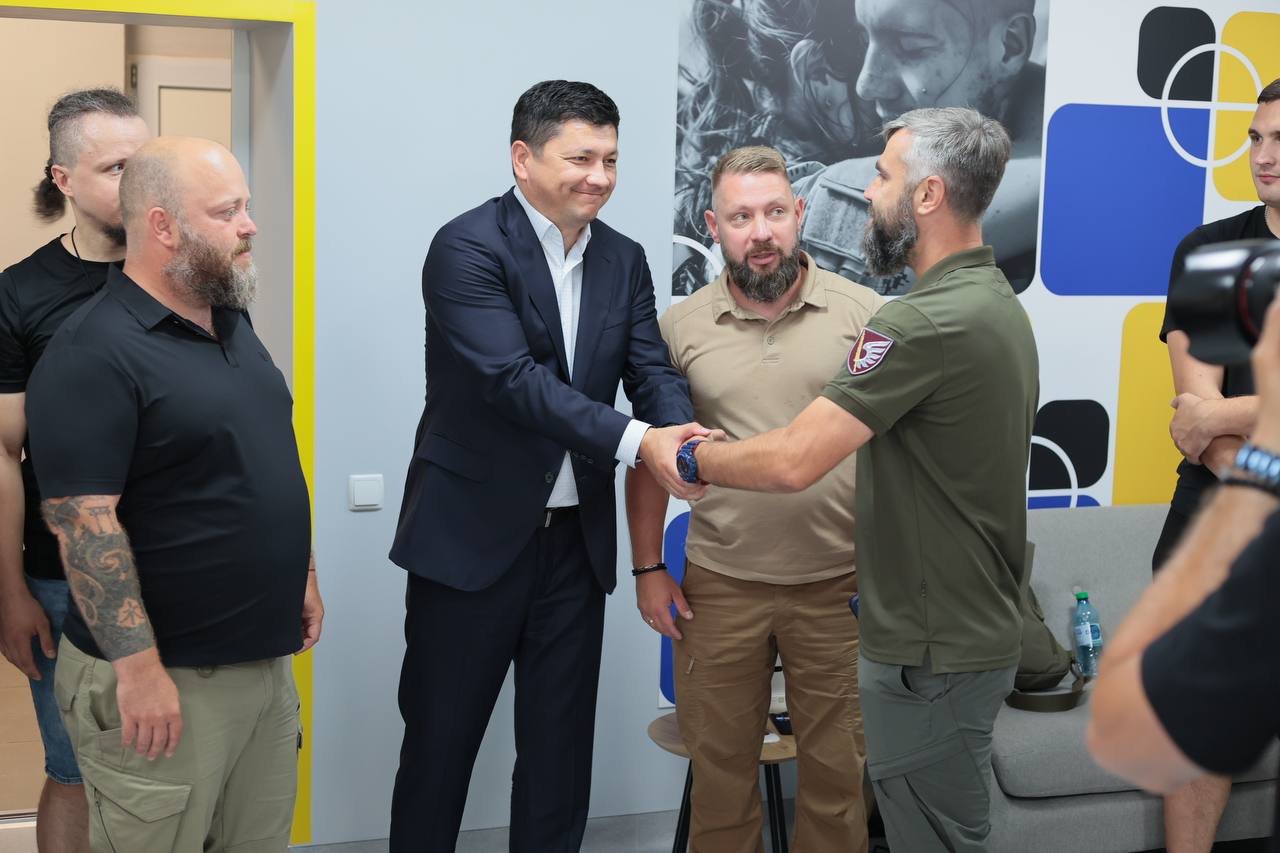
Among the event’s participants were Vitaliy Kim, Minister of Veterans Affairs of Ukraine; Ruslan Prykhodko, Deputy Minister of Veterans Affairs of Ukraine; representatives of the Ministry of Health of Ukraine; Olesia Zhulinska, Director of Communications and Public Relations at PrivatBank; Ivan Dobrovolsky, Deputy Head of the Luhansk Regional State Administration; Oleksiy Kharchenko, Head of the Luhansk Regional State Administration and Chief of the Regional Military Administration; Yevheniia Boiko, Head of the Sieversk-Donetsk City Military Administration in the Sieversk-Donetsk District of Luhansk Oblast; Kateryna Protsenko, Secretary of the Ukrainian City Council; Olga Galchenko, representative of the International Renaissance Foundation; the team from the NGO “Union of Veterans and Wounded Soldiers ‘The Strong 300’,” the leadership of the medical facility, veterans, and military personnel.
Representatives of the veterans’ councils of the Ukrainian and Obukhiv communities also joined the event: Taras Ruzin, Chair of the Ukrainian Community Veterans’ Council; Yevhen Obshtyr; Andriy Fomin; and Ruslan Marushchak, Chair of the Obukhiv Community Veterans’ Council.
During the opening ceremony, representatives of veterans’ councils, veterans, and military personnel had the opportunity to speak with the Minister and representatives of local governments. Participants also discussed the needs of service members and veterans during treatment and rehabilitation, the challenges currently faced by patients, healthcare workers, and communities, as well as opportunities for further developing support services at the hospital.
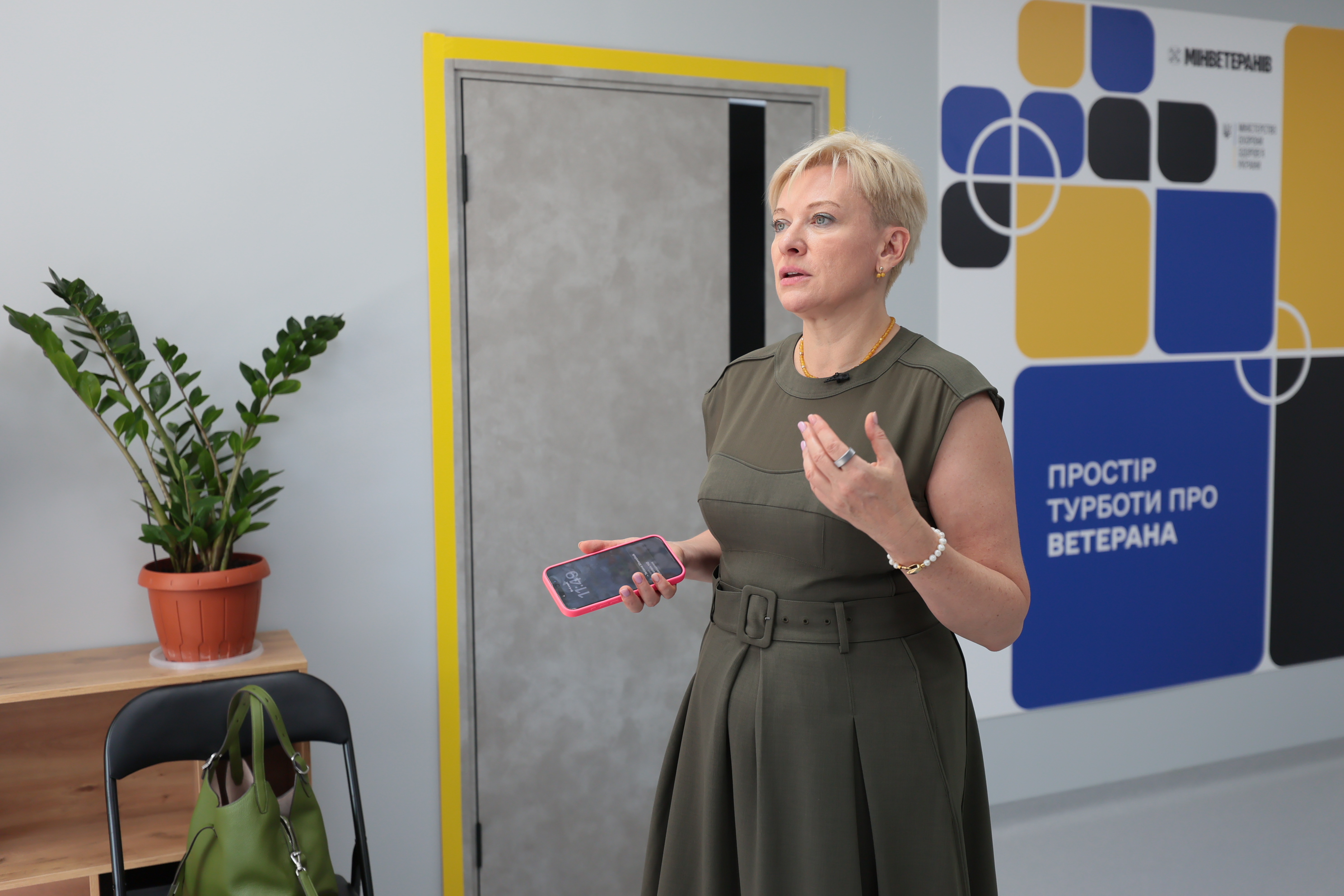
“During treatment or rehabilitation, service members and veterans—both men and women—should focus first and foremost on their recovery, rather than on paperwork, medical certificates, or searching for the services they need. Government support must be available exactly where it is needed most. That is precisely why these Spaces are so important—they allow people to receive the necessary assistance in one place, without unnecessary bureaucracy. This is not just an infrastructure project, but an important part of a systematic veterans’ policy focused on the real needs of our defenders. I thank all the partners who have joined in implementing this project,” said Vitaliy Kim, Ukraine’s Minister for Veterans’ Affairs.
“The Sieversk Donetsk Hospital is a team with unique experience in providing medical care to military personnel. Since 2014, its specialists have been working with defenders returning from the front lines, and after the start of full-scale war, this experience has become even more extensive and valuable. It is extremely important that we have managed to preserve this expertise and create conditions in the Kyiv region where it can operate as effectively as possible. The “Space of Care” is a place where, in addition to medical care, service members and veterans can receive psychological support, social assistance, and counseling—including on financial matters. It is precisely this comprehensive support that helps individuals undergo rehabilitation more quickly, adapt to civilian life, and access the necessary services. “For PrivatBank, this marks a continuation of our systematic partnership with the government and the public sector in developing a network of support centers for veterans. We are convinced that such initiatives should become accessible to service members and veterans in various regions of Ukraine,” said Olesia Zhulinska, Director of Communications and Public Relations at PrivatBank.
The Care Center in Ukrainka is the second facility opened as part of the project with the support of JSC CB “PrivatBank”; the first location is already operating in Odesa. For the project team, this is an important step in expanding the model of comprehensive support for veterans—both men and women—and their families.
Source: Censor