“A Land of Light in Dark Times”: Discussions in Kharkiv Focused on Unity, Human Rights, and Ukraine’s Future
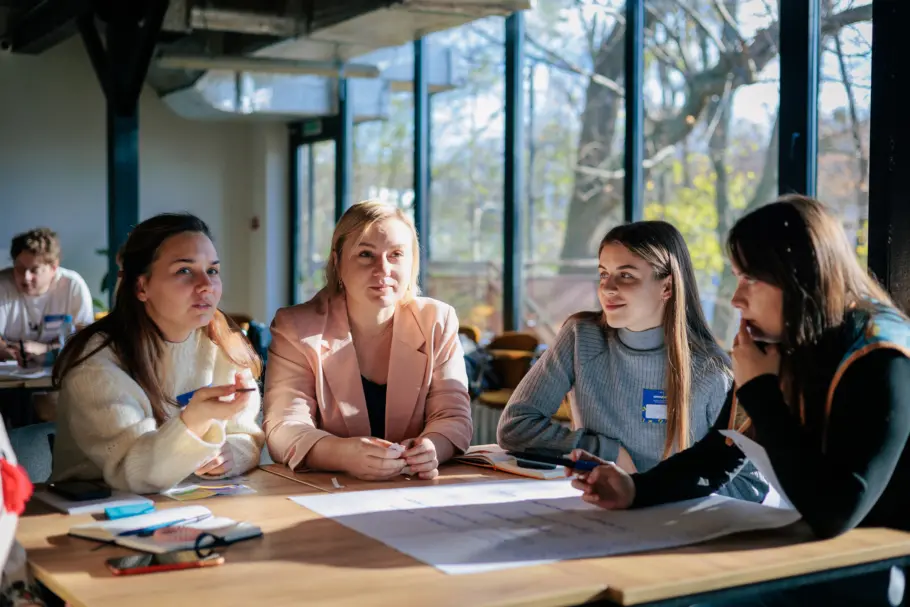
On October 29, in Kharkiv, at the YermilovCenter shelter, the “First of December” Initiative Group held a roundtable discussion titled “A Country of Light—in Dark Times.” Despite air raid alerts, participants spent the day discussing what helps Ukrainian society remain united, what kind of state it should be, and what values should form the foundation of its future.
Members of the “First of December” Initiative Group participated in the roundtable, including Myroslav Marynovych, Olena Styazhkina, Yevhen Zakharov, Yosif Zissels, Valeriy Pekar, and Yevhen Holovakha. Representatives from the cultural and publishing sectors, local government, the Ukrainian Armed Forces, civil society organizations, and the media also joined the event. Among them were Iryna Goncharova, a member of the Kharkiv City Council; Oleksandr Krasovitsky, director of the “Folio” publishing house; Iryna Markevych, a psychologist and co-founder of the “Kharkiv with You” Charitable Foundation; Viktoria Merenkova, a representative of the Commissioner for the Protection of the State Language in the Kharkiv region; Tetyana Pylypchuk, director of the Kharkiv Literary Museum; Olena Rybka, deputy editor-in-chief and coordinator of Ukrainian projects; Olga Shapoval, executive director of the Kharkiv IT Cluster; Pavlo Sheremeta, serviceman of the National Guard of Ukraine, former Minister of Economy; Oleksandr Chumak, president of the Association of Private Employers; Svitlana Feldman, director of the “ASSA” publishing house; and other representatives of the Kharkiv community.
The discussions provided a space for open dialogue, where participants could freely express their opinions, debate, and disagree with one another.
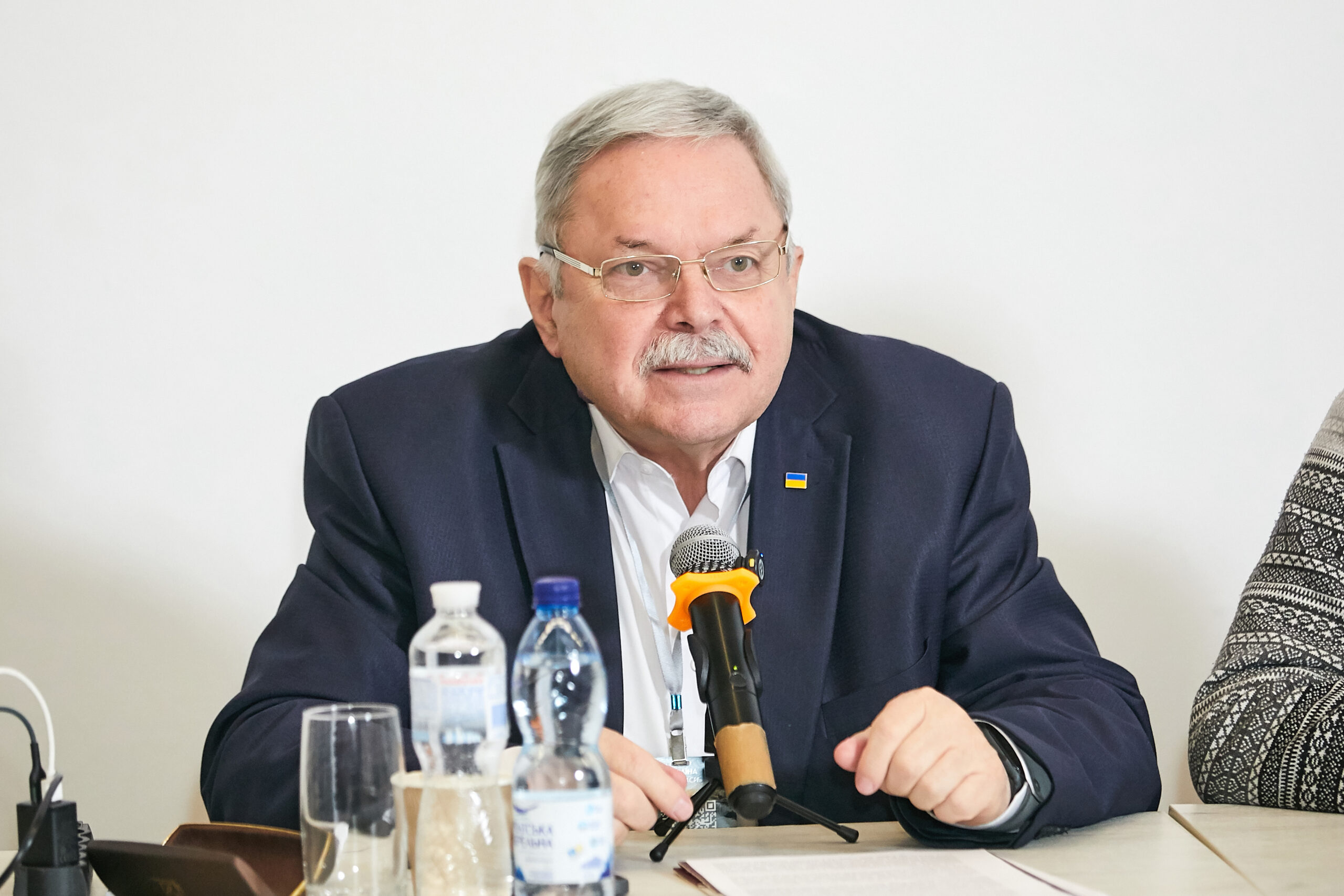
In his opening remarks, Myroslav Marynovych, chair of the “First of December” Initiative Group, emphasized the moral significance of the Ukrainian resistance and Ukraine’s responsibility for the values upon which the future world order must be based.
“No matter what Elon Musk says in America, the soldiers of the Armed Forces of Ukraine who are defending our land are indeed ‘warriors of light, warriors of good.’ And all of Ukraine today is fighting against the Kremlin’s Darkness, which seeks to completely engulf us. Therefore, we have the moral right to call Ukraine a ‘land of light.’ And this fact, in my soul—the soul of a former dissident and political prisoner—has a remarkable effect: even as I witness the suffering of Ukrainians during this brutal war and share in their pain, I can still say that in my soul there is peace.
Ukraine today is a powerful wake-up call, signaling to the world the need to restore the matrix of values. Yet at the same time, this Ukrainian voice—despite the remarkable resilience and self-sacrifice of Ukrainians—still sometimes sounds too hoarse. Why? Because can Ukraine convincingly testify to the need for values if, even in times of war, there are instances among our elites of simply appalling corruption and embezzlement of public property—acts that significantly devalue the moral capital of our nation’s defenders? Clearly not. “Therefore, Ukraine’s task of decisively ridding itself of the corrupt social contract becomes a sine qua non—an indispensable prerequisite for our success,” emphasized Myroslav Marynovych.
Standing Together: Imperatives and Limits
During the first panel discussion, Ukrainian writer, journalist, and historian Olena Styazhkina spoke about the internal tensions within Ukrainian society, which have intensified as a result of the full-scale war. The differing experiences of military personnel and civilians—those who left and those who stayed, people who have suffered various losses and face different life circumstances—can become a source of mutual misunderstanding. At the same time, differences in and of themselves do not mean division—the danger arises when they become a basis for mutual exclusion.
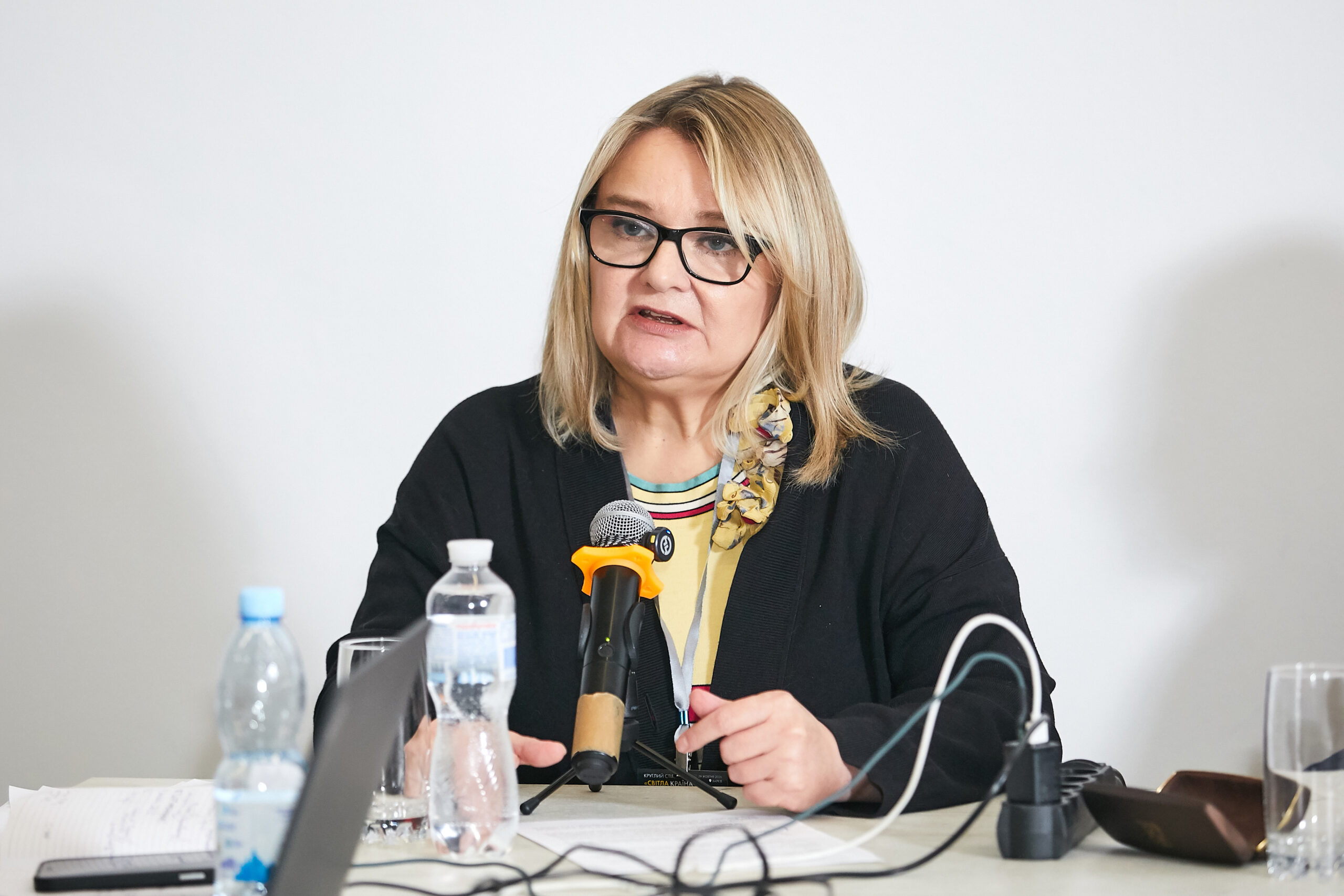
“Ukrainian society has suffered many such traumas, and Russian aggression adds new ones every day. It also often reopens old wounds. A person may react with today’s anger to yesterday’s pain, which they don’t even remember. But some part of them still remembers… So when we see a certain polarization, anger, or aggressive disagreement, we shouldn’t rush to ask, ‘Who is to blame for the fact that people can’t understand one another, that anger comes before understanding?’ Sometimes it’s more important to ask, ‘What pain is speaking through this person’s voice right now?’” noted Olena Styazhkina.
She emphasized the importance of preserving a space for public discourse, criticism of the government, and demands for justice—even during wartime.
“We must preserve a space where we can criticize the government, debate war strategy, demand investigations into abuses, question the fairness of government decisions, and propose alternatives. Being together means the ability to tolerate disagreement. If any criticism is perceived as treason, and any difference in experience as disloyalty, the trauma of war will continue to destroy society even after Victory,” said Olena Styazhkina.
A people-centered state as a necessity of our time
The second panel focused on the question of whether people and their rights are truly a priority for the Ukrainian state. Human rights activist and director of the Kharkiv Human Rights Group, Yevgen Zakharov, drew attention to the contradiction between constitutional guarantees of human rights and the practice of ensuring them. In his view, one of the key problems is that state policy often prioritizes the interests of the state apparatus over human rights and interests.
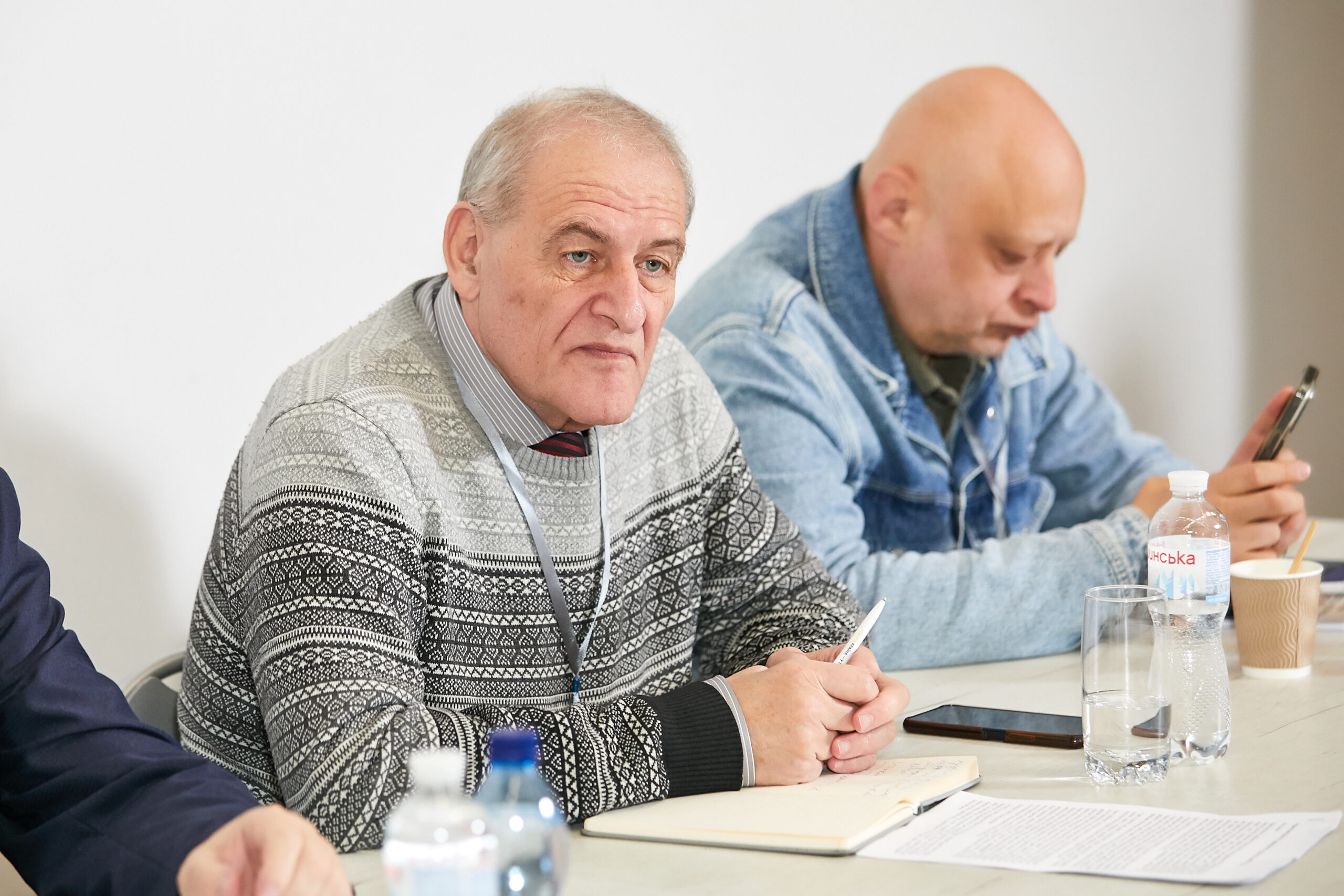
“I think one of the main reasons is a misunderstanding of public policy priorities, where—contrary to the Constitution—preference is given to the interests of the state rather than to human rights and interests,” said Yevgen Zakharov.
He emphasized that respect for human rights is not merely a matter of legal norms, but also of effective public oversight of the state’s actions. What matters is whether the state helps people freely determine their own destiny, protects them from violations, and strives to alleviate human suffering.
“The issue of human rights is, in fact, a question of whether there is professional and effective public oversight of the state’s actions: does the state prevent people from freely determining their own destiny, and is it aimed at ending or at least alleviating human suffering, or, on the contrary, is it indifferent to it?”
Separately, Zakharov raised the issue of the need for genuine decommunization, which is not limited to renaming and dismantling symbols. It involves overcoming Soviet approaches to governance, establishing fundamental freedoms, and respecting individual autonomy and the right to determine one’s own life.
“Ukraine, too, is in dire need of a similar process—genuine decommunization. What we currently consider decommunization—the rejection of symbols, the removal of monuments, and the renaming of cities, squares, avenues, streets, and alleys—is not enough. Undoubtedly, the demystification of communism is necessary. But that is by no means enough,” emphasized Yevgen Zakharov.
State-building begins with a professional civil service
During the third panel, “Challenges of Nation-Building,” Valerii Pekar, a member of the “First of December” Initiative Group, spoke about the problems facing the Ukrainian civil service and its role in the country’s modernization.
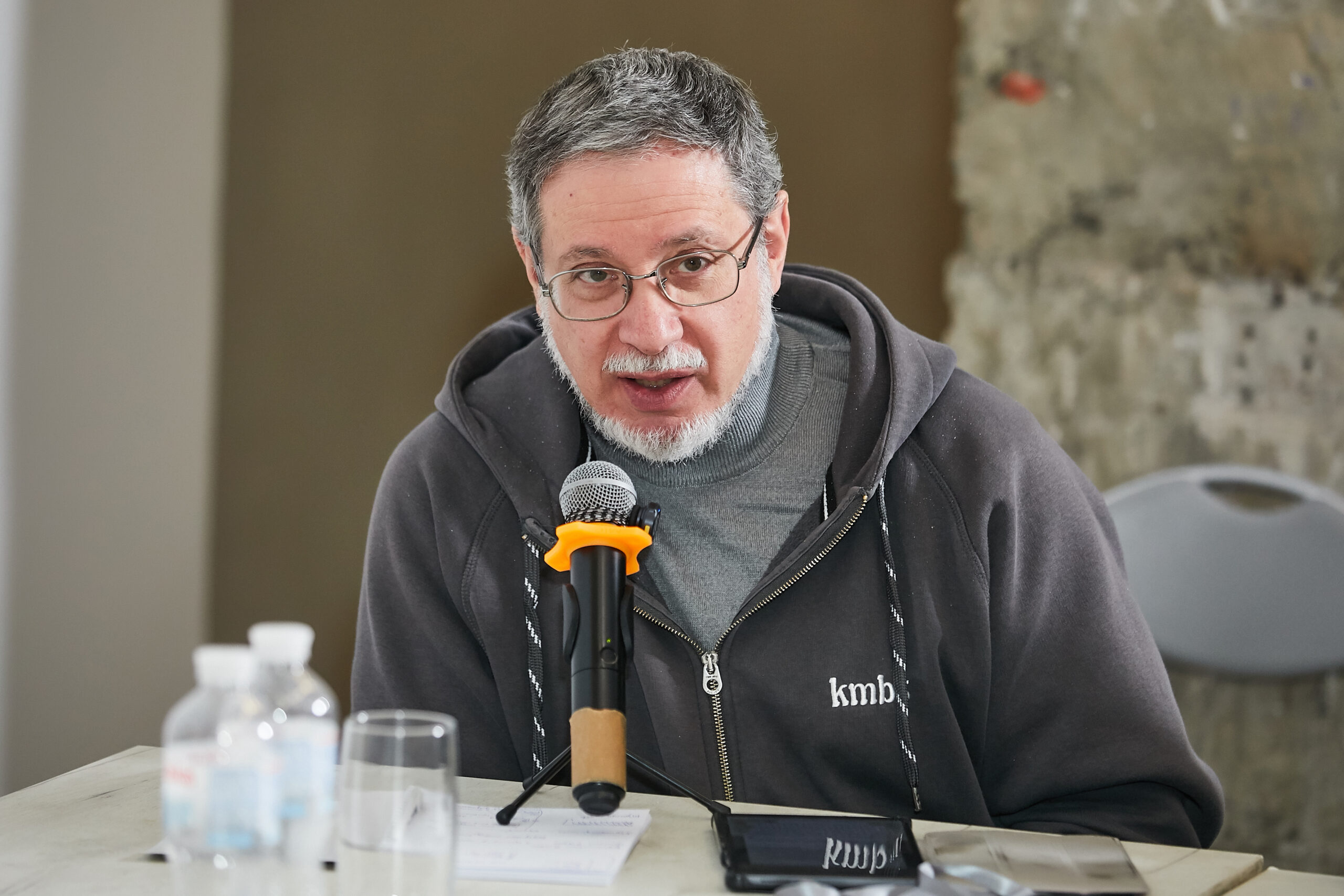
He highlighted the historical reasons behind the negative attitude toward public service: for a long time, the Ukrainian people lived without their own state, and state authority was typically foreign and occupying—something from which one had to hide, and cooperation with it was subject to public condemnation. “That is why it became customary in society to have nothing to do with government administration and to view civil servants, if not as collaborators, then at least as corrupt officials,” Pekar explained.
Among the problems facing the civil service, he cited low salaries for the vast majority of employees, a negative public image, a culture of law enforcement oversight that discourages decision-making, a lack of opportunities for professional growth, total dependence on political decisions, and, last but not least, restrictions on the rights of civil servants and their family members.
“They say that whoever refuses to feed their own army will soon be forced to feed someone else’s. But the same can be said about the state: whoever fails to build their own state will ultimately end up working for someone else’s,” Valerii Pekar emphasized.
He stressed that Ukraine needs to complete the public administration reform, which aims to create a professional civil service. “We need to involve thousands of professional, decent, patriotic, and dedicated people in the development of state institutions in order to transform the state,” Pekar said.
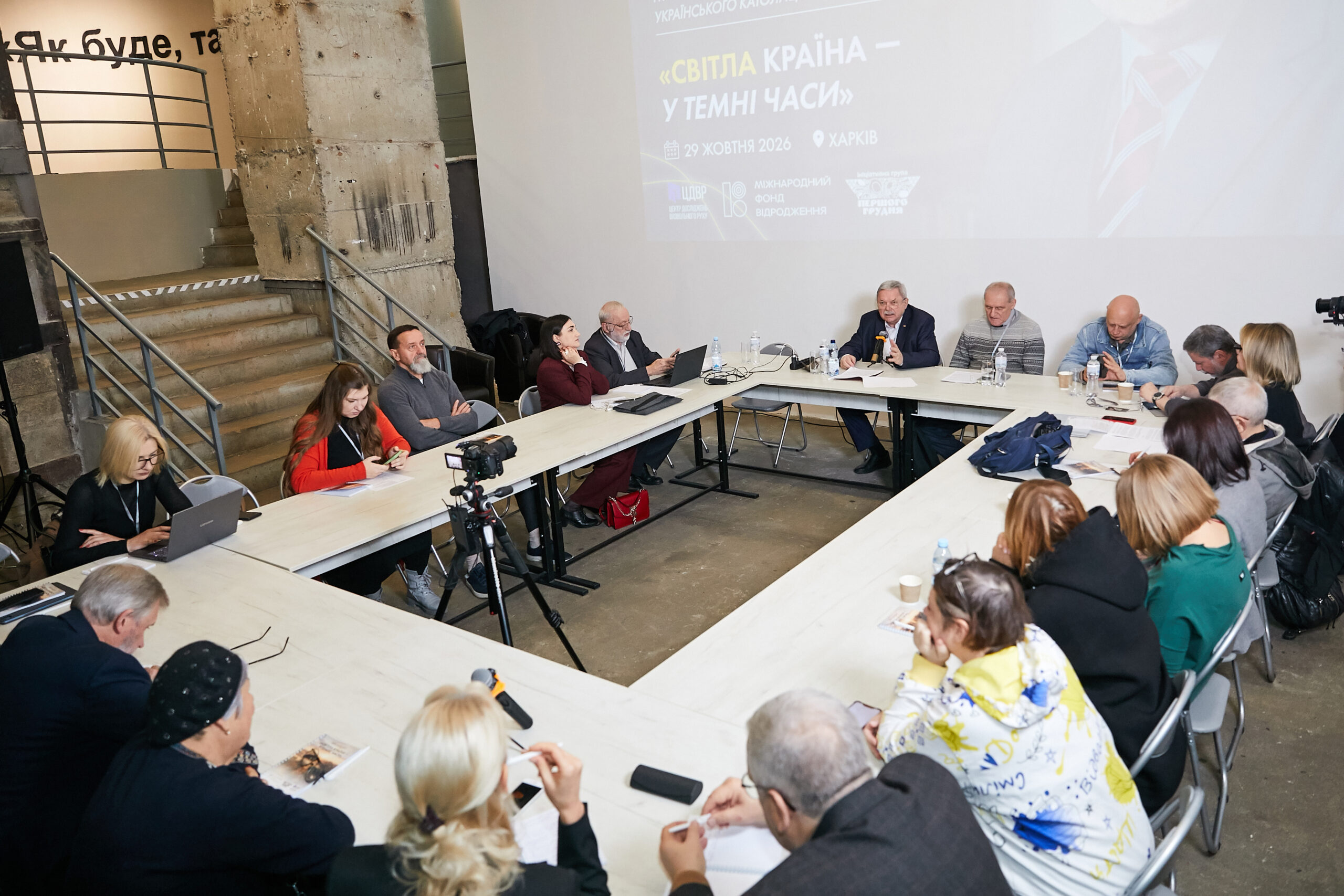
The organizers of the roundtable thank the Kharkiv community for their warm welcome, active participation, and willingness to engage in open dialogue. The opportunity to speak freely, debate, and disagree with one another became an important part of the meeting and the collective search for answers to the complex challenges facing Ukraine.
The event was held with the support of the International Renaissance Foundation.
Organizers: “First of December” Initiative Group, “Center for Research on the Liberation Movement” NGO.
Partners: Congress of National Communities of Ukraine, Kharkiv Human Rights Group, All-Ukrainian NGO “OPORA Civic Network,” NGO “Kharkiv Crisis Information Center,” the media outlet “Nakipilo,” and Radio “Charter.”